
November 26, 2026
What If a Drill Hits Wiring Inside the Wall?
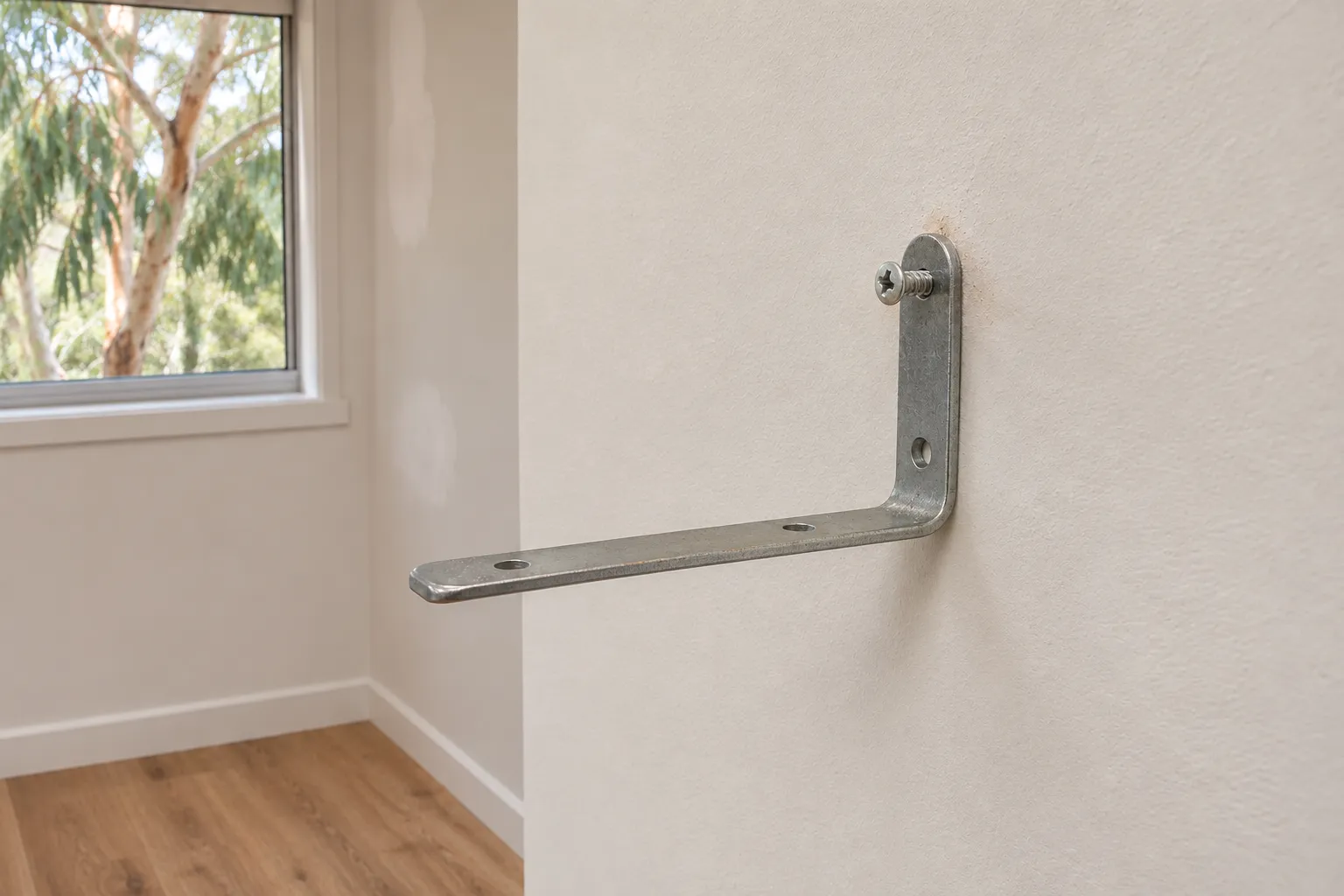
A routine job, such as putting up a shelf or securing a bracket, can become an electrical concern if your drill reaches hidden wiring. There may be a flash, a noise or a sudden loss of power. There may also be nothing obvious at all. If you suspect you have drilled into electrical cable, the lack of visible damage is not a reason to continue.
Your immediate priorities are to stop work, avoid contact with anything that may be touching the cable and get advice from a licensed electrician. This article explains what to leave alone, why working lights do not establish safety and what an electrician needs to assess. It also covers why electrical repairs must come before patching, so a small hole does not conceal an unresolved hazard.
How Do I Respond If I Suspect I've Hit a Cable?
Stop work and treat the affected area as potentially dangerous. You do not need to prove that you struck a cable before seeking help. An unexpected spark, a change in power or another reason to suspect contact with wiring is enough to pause the job.
The electrical safety advice from the NSW Government recommends contacting a licensed electrician if you suspect a problem with your wiring.
Keep other people away and seek urgent advice from a licensed electrician. If there is fire, smoke or immediate danger, move away and contact emergency services on 000 rather than approaching to investigate.
Stop Work and Keep People Away From the Affected Area
Do not continue drilling to find out what is behind the wall. Further movement could worsen damage or bring a tool into contact with an exposed conductor. Stop the renovation task, including any nearby fixing work that could disturb the same area.
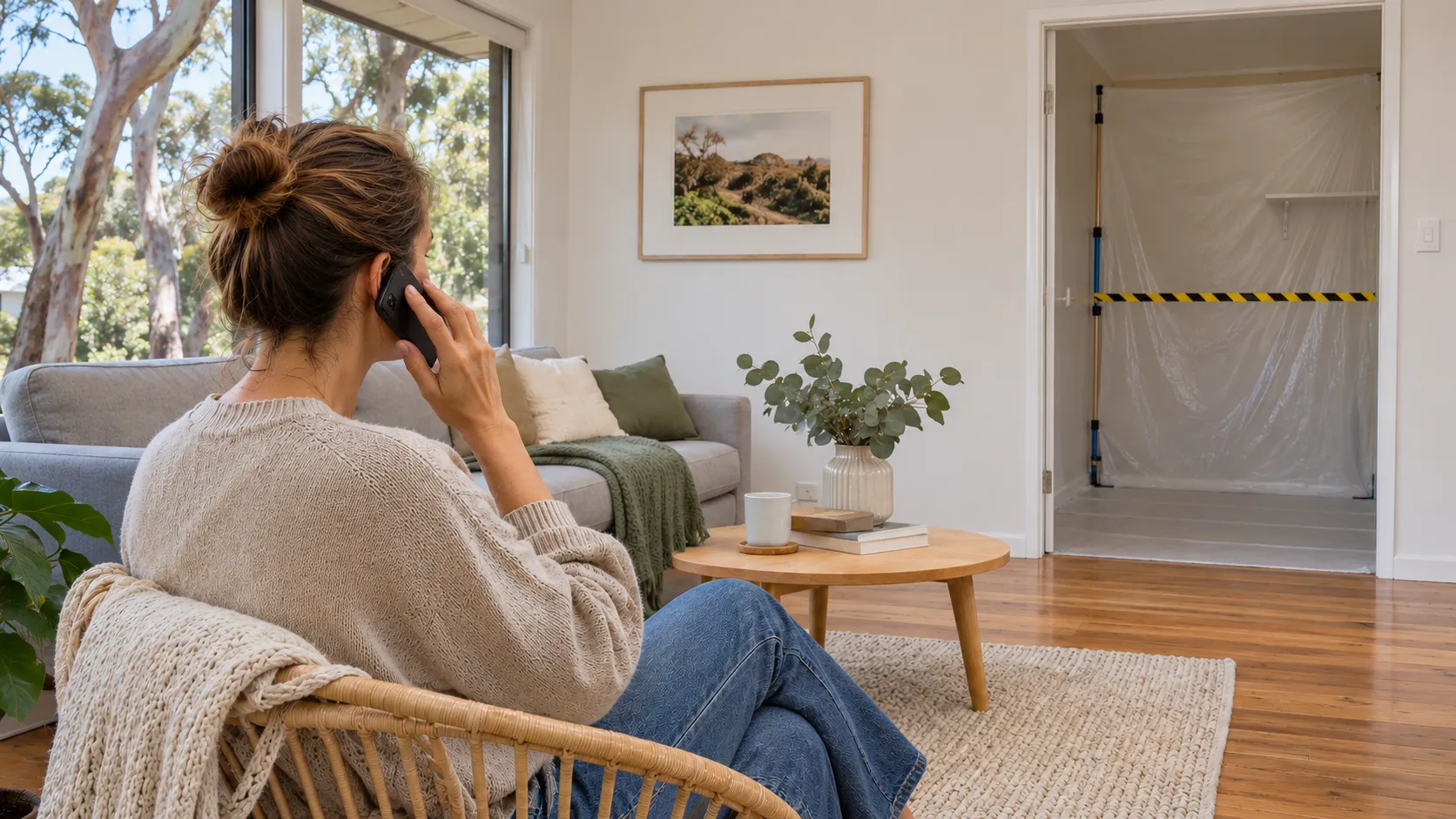
Tell anyone else in the home what has happened. Children, pets and other people working on the property should be kept away from the wall, the tool and anything projecting from the hole. Do not ask someone to hold a bracket, steady the drill or inspect the opening while you arrange help.
Avoid returning for a closer look, a photograph or a smell check. An electrician can begin the conversation using what you already noticed. You do not need to gather evidence at the suspected contact point before making the call.
For further context on recognising urgency, read about assessing an electrical emergency before calling an expert. That information does not replace professional assessment of a suspected cable strike.
Leave the Drill Bit, Screw and Damaged Area Untouched
Do not touch, withdraw or adjust a drill bit, screw or fixing that may be contacting wiring. Do not try to remove a stuck tool, straighten a bracket or retrieve something from the hole. A metal item can create a contact hazard even when the damage itself is hidden.
Avoid probing the opening with another object or attempting your own electrical tests. Opening the wall to inspect the cable is also not a safe homeowner troubleshooting step. The electrician needs to establish how the affected area can be approached safely before inspection or repair begins.
If a protection device has operated, do not repeatedly reset it to see whether the problem clears. Nor should you turn appliances on to check whether the circuit still works. Tell the electrician what happened and follow their advice from a safe location. Their assessment, rather than another trial of the circuit, determines what can safely happen next.
No Sparks Does Not Mean the Cable Is Undamaged
A cable can sustain damage without producing a dramatic warning. The drill might affect its protective insulation or part of a conductor without immediately interrupting the electricity supply. Silence, normal lighting and an unchanged switchboard do not establish that the cable is intact.
This is why suspected physical damage needs a different response from a routine loss of power. The question is not simply whether electricity is available. It is whether the wiring remains safe after contact with a drill or fixing.
A Fixing Can Damage Insulation Without an Obvious Power Failure
Electrical cables contain conductors surrounded by insulation and an outer protective covering. Depending on where a drill or screw makes contact, it may damage one layer, reach a conductor or affect several parts of the cable. You cannot determine the depth or significance of that damage by looking at the hole in the wall.
The WA Government explains how drilling can damage concealed electrical cables, including the risk of electric shock or fire when cable insulation is damaged.
A fixing does not have to sever a cable completely to create a concern. It may cut insulation, nick a conductor or press against wiring in a way that is not visible from the room. Some damage may leave the circuit operating while reducing the protection that keeps electricity contained within the wiring.
A circuit breaker or safety switch responds to particular electrical conditions. It is not a detector for every form of hidden wiring damage. If no protection device operates, that does not establish that the cable escaped contact or that it can remain in service.
Likewise, the absence of a burning smell or visible marking provides no reliable clearance. These observations are useful to report if they occurred, but their absence cannot substitute for professional inspection and testing.
Working Lights and Power Points Cannot Confirm Safety
A light that still turns on only tells you that it is receiving enough power to operate at that moment. It does not show the condition of insulation inside the wall. A working appliance cannot confirm that a nearby cable has no cuts, exposed sections or other damage.
Do not use normal operation as a reason to finish installing the fixing. The same applies if a brief interruption seems to have resolved itself. A change that disappears still belongs in the information you give the electrician.
There is also no dependable waiting period after which an uneventful cable strike becomes safe. Leaving the wall alone for an hour or returning to the task the next morning does not assess the damage.
The distinction is between observing a symptom and establishing a condition. You can report that the lights stayed on, but only an appropriate professional assessment can determine what that means for the affected wiring. The resource on common electrical mistakes homeowners make provides further context on assumptions to avoid around household electrical faults.
What Will an Electrician Need to Assess?
An electrician needs to understand where the possible contact occurred, what changed at the time and how the affected wiring can be examined safely. Your role is to describe what you already know, not to expose the cable or confirm the fault yourself.
For a suspected cable strike in Wollongong, you can contact Allround Electrical through its emergency electrician Wollongong service to arrange urgent professional assessment. Explain that drilling or a fixing may have contacted wiring, rather than describing the problem only as a power outage.
Where the Drilling Happened and What Was Noticed
Describe the room and the wall location from memory. Useful details include whether the hole was near a power point or switch, what you were attaching and whether a drill bit, screw or bracket remains in place. These details help the electrician understand the situation but do not establish the cable route.
Mention any spark, bang, unusual sound, smell or change in power you noticed at the time. If lights went out or a protection device operated, say so. If nothing changed, report that too. There is no need to make the event sound more dramatic to justify asking for help.
Tell the electrician whether anyone has moved the tool, removed the fixing or reset a device since the incident. Accurate information about what has already happened is more useful than a guess about the cause.
You can also explain what access is available around the wall and whether other renovation work is underway. Do not move furniture near the suspected hazard or return to measure the hole simply to provide a more precise description.
The Affected Circuit and the Extent of Cable Damage
The licensed electrician determines the necessary safe isolation, inspection and testing. This includes identifying the affected circuit and establishing whether the suspected contact has damaged the cable, its insulation or associated wiring.
The visible fixing location may not reveal the full extent of the problem. Wiring can pass through concealed spaces, and the point that needs attention may not be accessible through the original hole. The electrician may need to explain why further access is necessary before a repair scope can be confirmed.
When comparing local suppliers, ask who will carry out the assessment, how findings will be explained and what happens if the damage requires more access than expected. Avoid treating a promised quick patch or a firm repair scope given before inspection as evidence of a better service.
Ask the attending electrician to distinguish the immediate safety work from the permanent repair and any later wall restoration. You should understand what has been assessed, what remains outstanding and whether the affected area or circuit must stay out of use while further work is arranged.
Electrical Repairs Come Before Patching the Wall
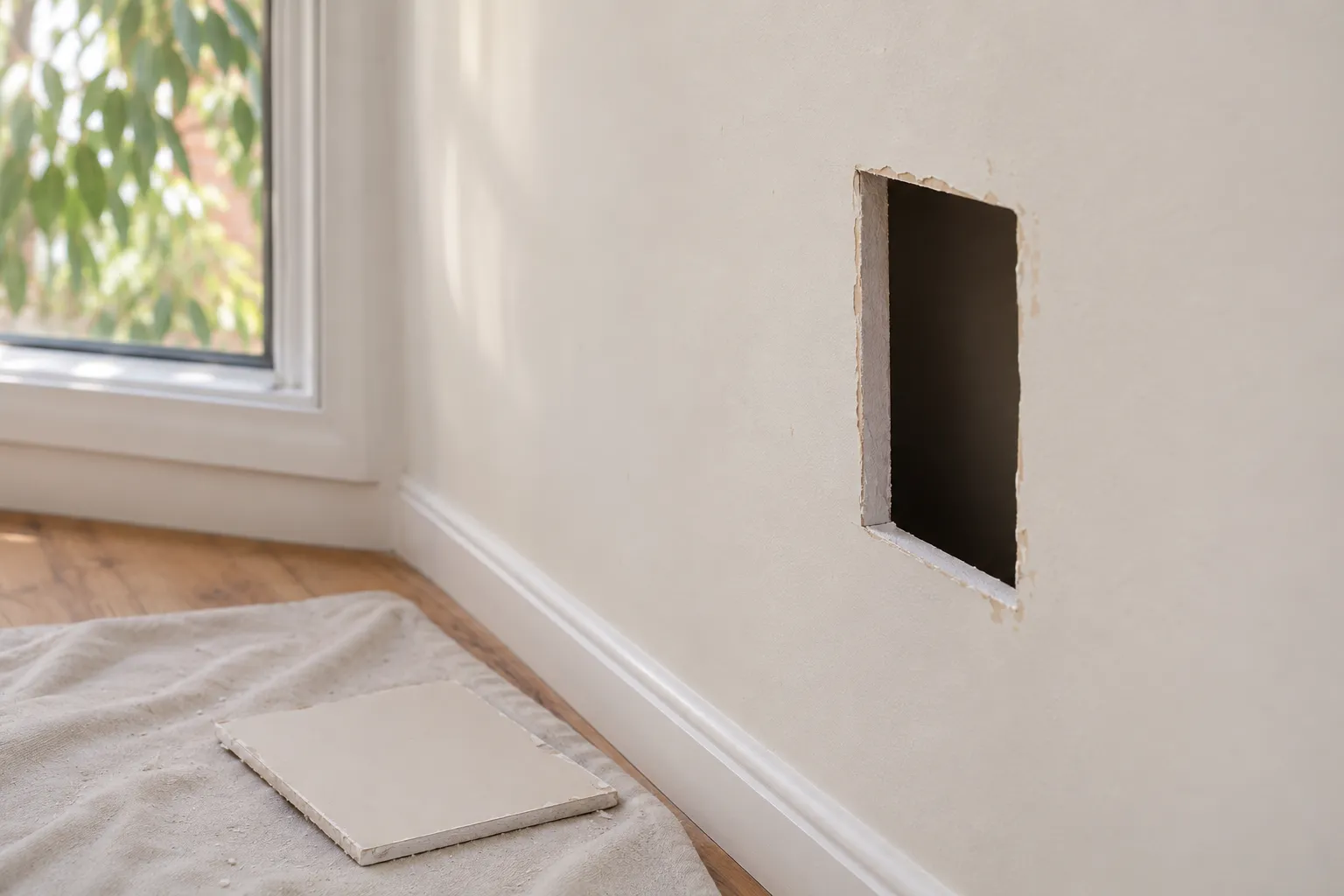
Filling the drill hole does not repair the wiring behind it. Paint, plaster and a completed bracket can hide the location of a strike without resolving any electrical damage. Keep cosmetic work on hold until the electrician has assessed the cable and completed the necessary electrical work.
This order also protects access. Patching too soon can mean reopening a newly finished wall, while covering the area may make the original contact point harder to identify during the assessment.
Repair Access Depends on the Cable Route and Damage
A small entry hole does not necessarily mean a small repair opening. Access depends on where the cable runs, what has been damaged and what is needed for an appropriate repair. The electrician cannot reliably promise the final opening size based only on the diameter of the drill bit.
Sometimes the surrounding wall finish limits what can be seen or reached. In other situations, the cable route affects where access is needed. These are assessment questions, not reasons to start cutting away wall material yourself.
Ask the electrician to explain the proposed electrical work before wall reinstatement is organised. Useful questions include why access is needed, whether further inspection may change the scope and what needs to remain exposed until testing is complete. Request clear information about any separate work needed to restore the finish.
Do not assume the electrical repair includes plastering or painting unless that has been expressly agreed. When comparing quotes, distinguish the assessment, electrical repair and wall restoration so you are comparing the same work. A quote that leaves restoration unspecified may not represent the full cost of returning the room to its previous condition.
Plan Future Fixings Around Confirmed Wiring Locations
Before restarting the installation, discuss the proposed fixing points with the electrician. That conversation should cover the wiring near the work area and whether the original position remains suitable. Moving the hole slightly is not, by itself, a way to establish safety.
Do not rely on an assumed straight cable path above a switch or beside a power point. Concealed wiring may not follow the route you expect, particularly where earlier alterations are not documented. A detector reading is also not proof that a drilling location is clear.
For planned renovation work, have the wiring and fixing locations considered before surfaces are finished and fittings are installed. The article on electrical checks for homeowners provides broader context for discussing the condition of existing installations.
Keep any information the electrician provides about the assessed area with your renovation records. If the shelf, bracket or other fitting is later moved, share that information with whoever plans the next fixing rather than relying on memory or the position of the old holes.