December 9, 2025
Are Your Electrical Systems Up to Standard? What Homeowners Need to Check in 2026

Keeping your home electrically safe has never been more important. With new technologies entering Australian homes and higher energy demands becoming the norm, outdated systems simply can’t keep up. At Allround Electrical, we’re seeing more households rely on devices and systems that place far greater strain on wiring, switchboards and safety mechanisms than ever before. Whether you’re renovating, upgrading appliances or preparing for future electrification, it’s essential to ensure your home meets today’s expectations, not yesterday’s. If you’re searching for peace of mind or guidance from an experienced electrician in Wollongong, understanding the 2026 standards is the best place to begin.
Why Electrical Standards Matter More Than Ever in 2026
Electrical standards have evolved to reflect modern energy behaviour, safety requirements and long-term sustainability. Homes that were compliant ten or even five years ago may now fall short simply because the way we live has changed. New regulations aim to protect homeowners from rising fire risks, overloaded circuits and unsafe legacy installations. Knowing why standards have tightened is the first step towards securing a safer, more resilient home.
More Appliances, Higher Loads and Increased Fire Risk
Modern households often run several high-demand appliances at the same time: air conditioners, induction cooktops, dryers and entertainment systems. When these operate together, the electrical load can exceed what older circuits were designed to handle, leading to overheating or frequent tripping. Many of these issues develop gradually, making it easy for homeowners to overlook early warning signs. Common contributors to higher loads include:
- Multiple air conditioners
- Induction cooktops
- High-capacity dryers and washers
- Smart fridges and home automation hubs
- Large home entertainment systems
The Push Towards Electrification
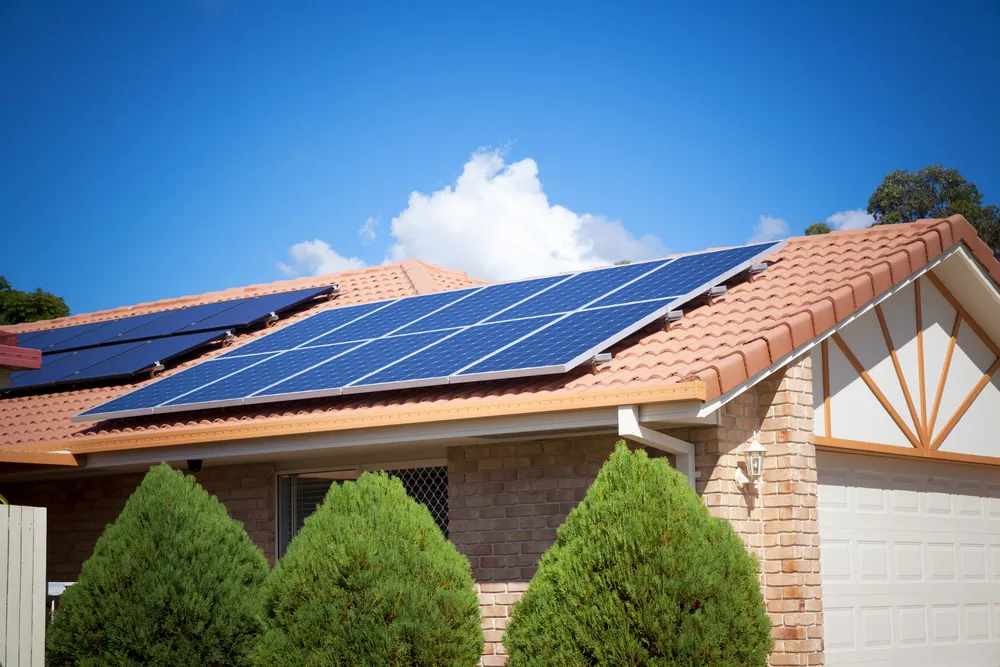
Solar systems, battery storage, EV chargers and electric hot water units all rely on a strong electrical foundation. These technologies place additional demand on wiring, switchboards and protective devices. If the system isn’t upgraded to suit these loads, new electrification features may operate inefficiently or introduce safety risks behind the scenes. As these systems integrate into homes:
- Switchboards may need capacity upgrades
- Additional circuits may be required
- Protective devices must align with the new AS/NZS 3000 standards
- Load management solutions become increasingly important
Why Older Homes Are Most at Risk
Many older properties still rely on electrical systems that were designed decades ago, when households used far fewer appliances. As a result, the wiring, switchboards and protective devices in these homes may fall short of current safety and performance requirements. Considering these vulnerabilities helps homeowners prioritise upgrades before serious problems develop. Older homes frequently experience:
- Brittle or cloth-insulated cabling
- Worn consumer mains
- Poor earthing and bonding
- Outdated fuse boxes with no RCDs
Key Areas Homeowners Should Review for 2026 Compliance
Ensuring your home meets electrical standards requires a structured approach. Rather than relying on guesswork, homeowners should assess the most critical areas that affect safety, load capacity and long-term performance. These system components are the heart of your home’s protection, and they often reveal risks that aren’t visible day-to-day.
Switchboards and Safety Switch Requirements
Your switchboard controls how electricity flows throughout your home and protects you from electric shock and fire hazards. As standards progress, switchboards must include the right combination of RCDs, circuit breakers and surge protection devices. If your switchboard is old or crowded, it may no longer be compliant. A 2026-ready switchboard typically includes:
- RCDs on all final circuits
- RCBOs for better protection and isolation
- Space for future circuits (solar, EV chargers, appliances)
- Surge protection for sensitive equipment
Age and Condition of Consumer Mains
Consumer mains supply power from the street to your switchboard. When these cables age, they become unsafe and may not handle increasing household loads. Upgrading consumer mains is often necessary when installing solar or EV chargers. Warning signs of deteriorating consumer mains include the following:
- Frequent voltage fluctuations
- A warm switchboard inclosure
- Burning smells or crackling noises
Earthing and Bonding Issues in Older Properties
Proper earthing guarantees fault currents are safely redirected, stopping electric shock or damage to appliances. In older homes, earthing arrangements are often outdated or weakened by corrosion and age. This can reduce their ability to safely redirect fault currents, increasing the risk of electric shock or equipment damage. Here are some of the common issues you may encounter:
- Corroded earth rods
- Loose earth connections
- Missing equipotential bonding in bathrooms or kitchens
Outdated Cabling and Unsafe DIY Modifications
Wiring installed many years ago can become brittle, cracked or poorly insulated, making it unreliable under modern electrical loads. In some homes, previous owners may also have attempted their own electrical alterations, leaving behind unapproved or poorly executed connections that pose serious safety concerns. Be mindful of these typical concerns, as encountering them might not be impossible.
- Rubber-insulated or cloth cabling
- Junction boxes are buried behind walls
- Uncertified additions made by previous homeowners
Common Warning Signs Your Home’s Electrical System Isn’t Up to Standard
Electrical issues rarely appear suddenly. With this, many dismiss these early indicators as minor inconveniences, not realising they often signal underlying faults within the system. But with modern appliances drawing more power and safety expectations rising, paying attention to these clues is more important than ever. Comprehending what to look for allows you to address problems early, prevent costly breakdowns and reduce the risk of electrical fires or dangerous failures. Below are the most common signs that your home may no longer meet today’s safety standards.
Flickering Lights, Hot Switches and Tripping Circuits
While occasional flickering or a single tripped breaker may seem harmless, persistent issues like these usually indicate deeper electrical instability. Modern homes place heavier loads on circuits, and older wiring or poor connections can struggle to keep up. A switch that feels warm, lights that dim when appliances turn on or circuit breakers that frequently trip often point to overloaded circuits, loose wiring or voltage fluctuations. Look out for:
- The lights dim when appliances turn on
- Switches that feel warm or make buzzing sounds
- Circuit breakers that trip repeatedly
Metal Conduits, Ceramic Fuses and Old Fuse Boxes
Many homes still rely on electrical infrastructure that is decades past its safe service life. Legacy components like ceramic fuses, ageing metal conduits and older-style fuse boxes offer far less protection than modern circuit breakers and safety switches. These older systems aren’t equipped to manage the higher loads and faster fault detection required in today’s homes. If your home still contains these legacy components, it’s a strong indication that the entire electrical system may be outdated and in urgent need of assessment or replacement. Outdated features are:
- Ceramic fuses that don’t offer adequate protection
- Metal conduits with deteriorated insulation
- Fuse boxes without safety switches
Burning Smells or Discoloured Outlets
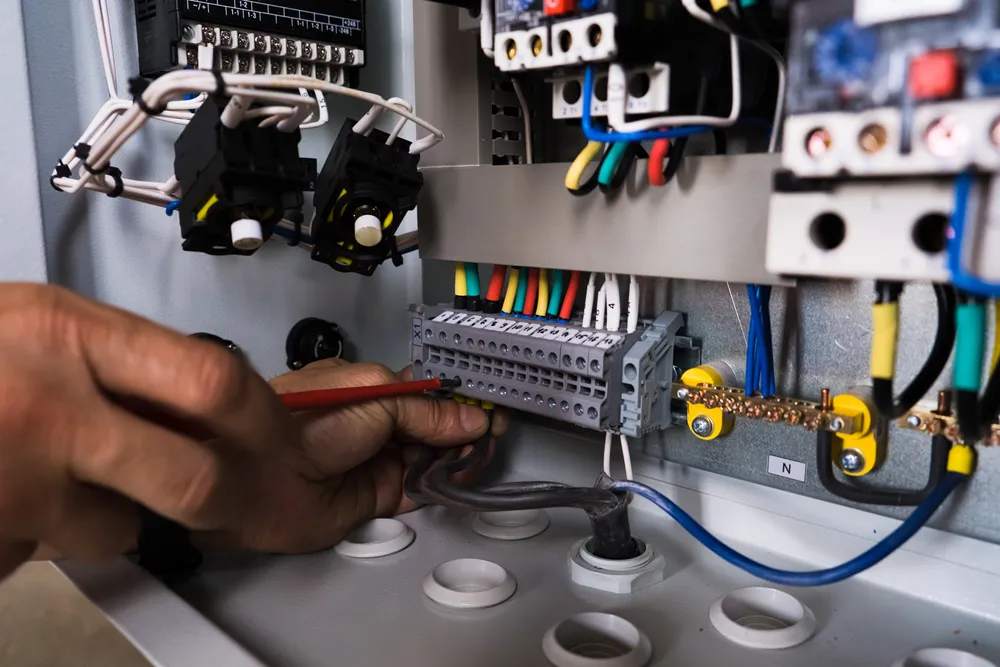
Burning odours or heat marks around outlets are among the most critical warning signs of electrical failure. These symptoms often indicate overheating, arcing or failing wiring hidden behind the walls. Because these signs typically appear only when a fault is already advanced, they should be treated as urgent. Homeowners should avoid using the affected outlet and contact a licensed electrician immediately to avert further damage or risk. The following are causes:
- Loose terminals
- Overloaded sockets
- Internal cable damage
New and Emerging Safety Expectations for Homes
The electrical landscape is shifting towards future-ready systems that support evolving technologies, higher household energy demand and smarter digital integration. As homes adopt, the need to strengthen protective measures and maintain proper compliance records becomes more important. Preparing your home for these emerging expectations safeguards your property today and makes sure it remains functional.
Surge Protection for Sensitive Electronics
As homes become more connected and dependent on digital technologies, the risk associated with power surges has grown. Surges may come from lightning, fluctuations in the grid or even large appliances cycling on and off inside your home. Without proper protection, homeowners can experience expensive equipment failures or irreversible data loss. Installing whole-home surge protection provides an essential line of defence and is quickly becoming a standard expectation for modern households.
Capacity Upgrades for Solar, EV Chargers and Large Appliances
Older switchboards often lack the space, cabling size and protections needed to support solar inverters, EV chargers or high-demand appliances. Increasing capacity allows the electrical system to handle larger loads safely, preventing overheating and creating room for future upgrades as your household’s energy use continues to grow.
Required Documentation and Compliance Records
Up-to-date records ensure that every upgrade, installation and repair in your home meets standards and can be traced if an issue arises. This documentation becomes essential during insurance claims, property sales, renovations and system upgrades. Many underestimate how valuable these records are until they are needed. Keeping organised, accessible compliance documents helps protect your investment and ensures transparency for future electricians and property inspectors. These records help insurance claims and property sales:
- Certificates of Compliance for electrical work
- Solar and battery installation documents
- Switchboard upgrade records
- Maintenance logs
How to Check if Your Home Meets Today’s Standards
Because much of a home’s electrical system is concealed in roof spaces, wall cavities and switchboards, it can be difficult for homeowners to judge its true condition. A licensed electrician is needed to assess whether the installation still meets current requirements. Knowing when to schedule an inspection and what it actually involves empowers homeowners to maintain a safe, compliant and future-ready electrical system.
When a Safety Inspection Is Recommended
A safety inspection is not just a precaution; it’s a necessary step whenever your home undergoes changes that affect how electricity is used or distributed. Inspections are also critical when symptoms appear because they often signal deeper issues that are easier and cheaper to fix early on. By booking an assessment at the right time, homeowners can avoid unexpected failures, improve safety and ensure compliance with 2026 expectations. You should book an assessment if:
- Your home is older than 20-30 years
- You’re installing solar or an EV charger
- You’re renovating or extending
- You notice electrical issues or unusual behaviour
What an Electrician Looks For During an Assessment
During an inspection, electricians examine areas the average homeowner can’t easily access or evaluate. They check the integrity of wiring, earthing, protective devices and load capacity to uncover problems that may have developed slowly. Knowing what electricians actually look for helps you appreciate the value and thoroughness of the process. An electrician typically checks:
- Switchboard safety devices and conditions
- Wiring age, insulation and load capacity
- Earthing and bonding integrity
- Consumer mains and voltage stability
- Signs of overheating, corrosion or DIY work
How Often Electrical Systems Should Be Reviewed
Like any part of a home, electrical components age and wear out. Regular reviews help identify deterioration in wiring and protective devices, guaranteeing the system can continue to meet the household’s electrical demands safely. Electrical systems should be reviewed every:
- 5 years for most homes
- 2-3 years for older properties
- Immediately after major upgrades or renovations
Staying Safe in the Future: Preparing Your Home for the Next Decade
The way households use electricity is changing, and the next decade will bring even greater reliance on electrification, renewable energy systems, digital connectivity and smart home automation. As a result, electrical standards will continue to evolve, and homes that are already struggling to keep up will fall even further behind. Preparing now is the key to avoiding major safety hazards, unexpected failures and costly emergency upgrades later. Looking ahead and planning for growing demand ensures your home remains compliant, functional and resilient for many years to come.
Upgrading for Energy Demand Growth
As households adopt more energy-intensive equipment, older electrical setups often reach their limits. Upgrading early helps avoid constant tripping, performance issues and unexpected system failures. Strengthening your electrical infrastructure now means your home can carry new technologies without disruption in the years ahead. The following upgrades ensure your home keeps pace with the next decade:
- Larger switchboard capacity
- Heavy-duty cabling
- Smart load controllers
- Dedicated high-demand circuits
Preparing for Smart Home Integration and Load Management
Smart home technology is becoming an essential part of everyday living, from automated lighting and climate control to advanced security systems, home entertainment and connected appliances. But while these systems offer convenience and improved energy efficiency, they also require a stable and well-designed electrical backbone to function properly. Older wiring layouts or underpowered circuits can cause glitches, interruptions or complete failures in smart devices. Integrating these now avoids complications later:
- Smart-ready wiring layouts
- Updated circuits for IoT devices
- Load-balancing systems to manage peak demand
Why Regular Electrical Audits Will Protect Your Home Long-Term
Electrical systems degrade slowly and often silently, which is why routine audits are one of the most valuable long-term safety investments a homeowner can make. Regular assessments allow electricians to identify small issues before they become major hazards, help homeowners plan upgrades in stages and ensure that compliance is maintained as standards evolve. These audits also improve energy efficiency, extend the lifespan of your electrical components and enhance the overall value of your property. Benefits of routine audits include:
- Reduced fire and shock risk
- Extended lifespan of electrical components
- Improved energy efficiency
- Higher property value and easier compliance
As electrical requirements evolve, many are surprised to discover how quickly their systems fall behind modern expectations. From outdated switchboards to ageing wiring and the growing pressure of electrification, small oversights can turn into major risks if they’re not addressed early. Ensuring your electrical system is compliant isn’t just about ticking boxes; it’s about protecting your investment, your comfort and your family’s wellbeing. If you’re unsure whether your home meets today’s electrical standards, now is the time to act. Contact us here at Allround Electrical today and let our team ensure your home is protected, compliant and built for the decade ahead.