February 23, 2026
Common Electrical Mistakes Wollongong Homeowners Make
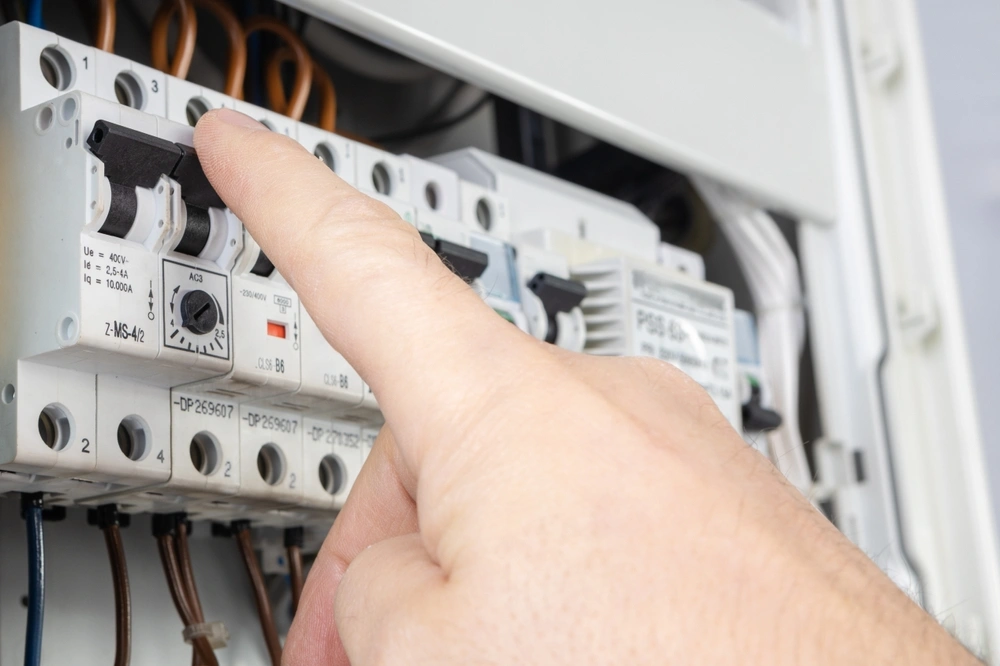
Many Wollongong homeowners take pride in tackling small jobs around the house, yet electrical work is an area where simple mistakes can carry serious consequences. At Allround Electrical, our team sees the same errors repeated in homes across the Illawarra, from overloaded power boards and poorly positioned outlets to DIY shortcuts that quietly undermine safety. This article explores the most common electrical mistakes made in local properties, why they occur and how they can affect both day-to-day comfort and long-term property value.
By understanding these pitfalls, readers will learn how to spot warning signs early, when to call a licensed electrician in Wollongong and what good electrical practice looks like in a modern Wollongong home. Professional electricians draw on real on-site experience to highlight the risks of outdated wiring, unapproved alterations and neglected safety devices, then explain how smarter choices can improve reliability, reduce energy waste and help protect families from electrical hazards.
Ignoring Early Electrical Warning Signs
Many Wollongong homeowners overlook small electrical issues because the lights still work or the power returns after a reset. Dismissing these early warning signs can allow minor faults to develop into serious hazards that damage appliances or even start a fire. Acting on subtle changes sooner rather than later is one of the simplest ways to protect a home and family.
Professional electricians often see the same patterns across local properties. Coastal conditions, ageing wiring in suburbs like Woonona or Figtree and unapproved DIY alterations all increase the likelihood of faults. Understanding what to look for and when to call a licensed electrician helps prevent more costly and disruptive problems down the track.
Common Electrical Red Flags Around the Home
Some warning signs are obvious if homeowners know what they mean. Persistent problems usually signal an underlying fault rather than a one‑off glitch.
Frequent tripping of circuit breakers or safety switches is a key sign. A breaker might trip occasionally during a big storm or when plugging in a faulty appliance. However, if the same circuit trips again and again when normal appliances are in use, there is likely an overloaded circuit or a wiring fault that needs investigation.
Lights that regularly flicker, dim or buzz are another warning. One loose bulb is easy to fix, but if multiple lights in a room or throughout the home flicker, it might indicate loose connections, poor-quality fittings or voltage issues. In older Wollongong homes with original wiring, this can be an early sign of deteriorating cables.
Unusual sounds or smells from electrical points should never be ignored. Sizzling or crackling at switches or power points indicates arcing, which can quickly become a fire risk. A persistent burning plastic smell around fittings, switchboards or appliances needs immediate attention even if nothing looks damaged on the surface.
Heat Discolouration and Other Visual Clues
Electrical components should not feel hot during normal use. Warmth that is noticeable to the touch around power points, light switches or downlight fittings is a red flag. Excessive heat usually means a loose connection, an overloaded circuit or a fitting that is not rated correctly for the wiring or insulation around it.
Discoloured or scorched surrounds on PowerPoint switches or ceiling areas near lights are a more advanced sign of trouble. Brown marks from black soot or melted plastic indicate that parts have overheated in the past and may do so again. Any sign of burning means the circuit should be isolated and checked by a licensed electrician before use.
In switchboards rust watermarks or a corroded main switch are particularly common in coastal Wollongong suburbs. Moisture around live components is extremely dangerous and needs urgent professional attention.
Overloading Circuits in Older Homes
Many Wollongong homes were built long before today’s heavy reliance on electrical devices. As a result, their wiring and circuit design often struggle with the load of modern appliances. Circuit overloading is one of the most common and risky issues professional electricians see in older properties, and it is a key cause of nuisance tripping and electrical fires.
Understanding what overload looks like, how it happens and when to call an electrician helps homeowners use power safely and plan sensible upgrades rather than pushing old circuits past their limits.
Why Older Circuits Struggle With Modern Loads
Older homes in Wollongong often still run on original wiring or switchboards that were designed when households had a fraction of today’s appliances. Circuits may be rated for only 10 or 15 amps yet be asked to supply multiple high-demand items in kitchens, living rooms and home offices.
Common problems include:
- Too many power points on a single circuit.
- Old fuse boards instead of modern circuit breakers and safety switches.
- Circuits shared between high-demand appliances such as fridges, microwaves, kettles and portable heaters.
When the combined load of all plugged-in devices exceeds what the circuit is designed to handle, cables and connections heat up. Protective devices such as breakers or fuses should trip, but in some older installations, protection may be inadequate or incorrectly sized, which increases fire risk.
Warning Signs a Circuit Is Overloaded
Homeowners rarely see the wiring hidden inside walls, so it is important to watch for practical everyday warning signs instead of waiting for a serious fault to occur. Indicators of overload include:
- Circuit breakers or fuses that trip regularly, especially when certain appliances run together.
- Lights dimming or flickering when a heater, air conditioner or microwave turns on.
- Warm or discoloured power points or switch plates
- Buzzing sounds from the switchboard or outlets
- A burning smell near sockets, plugs or the switchboard
If any of these signs appear repeatedly, particularly in an older home, it is essential to have a licensed electrician inspect the circuits rather than simply resetting the breaker and continuing to use them.
Practical Ways To Reduce Overload Risk
While only an electrician can correctly assess capacity and upgrade circuits, homeowners can take practical steps to avoid everyday overloading. Most professional electricians advise:
- Spread high-demand appliances across different circuits where possible; for example, avoid running the kettle, toaster and microwave on the same outlet strip.
- Avoid using multi-boards and double adaptors as a permanent solution, particularly for heaters, dryers or portable air conditioners.
- Replace old power boards with new ones that include overload protection and use them only for low-power devices like phone chargers and lamps.
- Unplug appliances that are not in use to reduce unnecessary load and standby consumption.
For many older Wollongong homes, the safest long-term option is a switchboard upgrade with modern circuit breakers and safety switches along with additional dedicated circuits for kitchens, air conditioning and electric vehicle chargers. Professional electricians can assess the existing wiring, calculate realistic load requirements and design upgrades that allow the home to handle modern usage safely without constant tripping or hidden overheating.
Assuming Ageing Wiring Is Still Safe
Many Wollongong homes were wired decades ago, often long before today’s safety standards. It is common for homeowners to assume that because the lights still work, the wiring must be fine. In reality ageing or outdated wiring can quietly deteriorate and put the property at real risk of fire or electric shock.
Licensed electricians frequently find serious hazards hidden behind walls in older Wollongong properties, even when owners report no obvious problems. Understanding the warning signs and typical lifespans of common wiring systems helps homeowners decide when to bring in a licensed electrician.
How Old Wiring Becomes Dangerous
Electrical cables do not last forever. Heat, moisture, salt air and everyday use slowly break down insulation and metal conductors. Coastal conditions in Wollongong can accelerate this process, particularly in roof spaces and under floors.
Common problems in older wiring include:
- Cracked or brittle insulation exposing live conductors
- Loose or corroded connections at junctions and power points
- Overloaded circuits that were never designed for modern appliance loads
These defects may not trip a circuit breaker every time. Instead they can create arcing and hot spots that smoulder for hours in wall cavities or roof spaces before igniting surrounding materials.
Typical Lifespans and High‑Risk Wiring Types
As a general guide, many electrical installations more than 30 to 40 years old will require at least partial upgrading. Some materials are higher risk and should be assessed as a priority:
- Rubber- or cloth-insulated wiring, which becomes brittle and crumbly with age
- Single-insulated cables without proper earth conductors
- Old fuse boards that still use rewireable fuses instead of modern circuit breakers and safety switches
These systems were acceptable at the time they were installed but no longer meet current Australian standards. For Wollongong homes with these older installations, a staged rewiring plan can help spread costs over time while significantly improving safety and compliance.
Warning Signs Wollongong Homeowners Should Not Ignore
Assuming old wiring is safe because nothing obvious has gone wrong is one of the most dangerous electrical mistakes. Homeowners should arrange an inspection if they notice:
- Frequently tripping fuses or breakers
- Lights dimming or flickering when appliances start
- Warm or discoloured power points or light switches
- Buzzing sounds from switches or the switchboard
- A burning or fishy smell near outlets or in the switchboard area
In older suburbs with fibro or timber homes, even a small wiring fault can spread quickly into a serious house fire.
DIY Electrical Work That Creates Hidden Risks
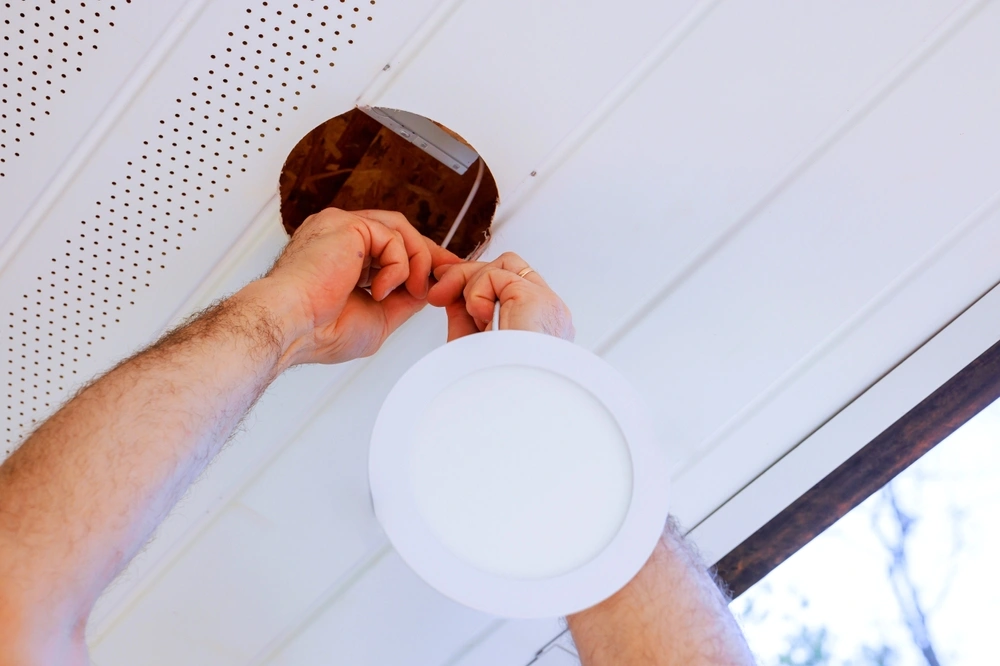
DIY electrical work is one of the biggest hidden dangers in Wollongong homes. It often looks simple on the surface, especially with online tutorials and hardware store advice, but small mistakes behind walls or in roof spaces can lead to fires, electric shock or failed insurance claims years later.
Licensed electricians regularly find unsafe DIY work that has been hidden for a long time. The home might appear to function normally while serious risks sit out of sight in the switchboard cavity, roof void or under the floor.
Illegal DIY Work vs Legal Homeowner Tasks
In NSW, it is illegal for unlicensed people to perform most electrical work in a home. This includes installing new power points, lights, switches, oven circuits or modifying existing wiring. A common mistake is assuming that if a product is sold at a hardware store, it is safe for anyone to install. In reality many of those products are intended to be fitted only by licensed electricians.
The few tasks generally considered safe for homeowners are limited and basic, such as:
- Replacing accessible light bulbs
- Resetting safety switches or circuit breakers
- Using approved extension leads correctly
Even tasks that seem minor, like replacing a light fitting or changing a power point cover, can be dangerous if the circuit is not isolated correctly or if active and neutral are reversed. Our electricians often see melted terminals or scorch marks where DIY work has gone wrong.
Hidden Problems in Roof Spaces and Behind Walls
Roof spaces in Wollongong homes often contain a mix of old and new wiring, insulation and sometimes rodent damage. When homeowners run their own cables for new lights, fans or outdoor power, they may not clip or protect them correctly. Cables can end up buried in insulation, resting on hot downlights or exposed across roof joists where someone can accidentally stand on them.
Behind walls, DIY joints are a major hidden risk. Common issues include:
- Wires twisted together and taped instead of using proper junction boxes and connectors.
- Cables not terminated securely, which can loosen over time
- Unsheathed conductors touching metal framing or pipes
These faults might not trip a breaker immediately, yet they create heat, arcing and a serious fire risk that only appears under certain conditions, like heavy appliance use or summer heat.
The Illusion of “It Works, So It Must Be Safe”
Another trap is assuming that if a light turns on or a power point works, the job is safe. Electrical safety is about more than basic operation. Circuits must be the correct size for the load, protected by the right breaker and RCD and installed to Australian Standards.
Professionals often find:
- Outdoor sockets installed without proper weatherproofing leading to moisture ingress and corrosion.
- Appliance circuits overloaded because extra outlets were added without checking capacity.
- Neutral and earth connections mixed up, which can leave metal appliances live.
These problems can fail an electrical safety inspection or void insurance after a fire. The work might appear tidy on the surface, yet hidden test results show dangerous voltages or insulation breakdown that only a licensed electrician with proper test gear can detect.
Poor Outdoor Electrical Installations for Coastal Environments
Outdoor power and lighting around Wollongong homes take a beating from salt air, high winds and heavy rain. When outdoor electrical work is not designed for these harsh coastal conditions, it can fail early trips constantly or become dangerous. Many homeowners do not realise that products and methods that might be acceptable inland are not suitable so close to the ocean.
Professional electricians often see preventable problems such as rusted fittings, waterlogged power points and garden lights that constantly short out. With the right materials, correct IP ratings and professional installation, homeowners can enjoy safe, reliable outdoor power that stands up to the South Coast climate.
Using Indoor-Rated or Low IP-Rated Fittings Outside
A common mistake is installing indoor-grade switches, power points and lights on decks, verandahs and external walls. In a coastal environment this can lead to:
- Moisture entering the fitting during wind-driven rain
- Salt deposits forming conductive tracks across terminals
- Frequent nuisance tripping or complete failure
For exposed outdoor areas around Wollongong, every socket and light fitting should be correctly IP rated for its specific location. As a general guide:
- Covered but damp areas such as under an eave typically require at least IP54
- Fully exposed locations including open walls, fences and posts usually require IP65 or higher
- Pool zones and areas around spas may require even higher protection to comply with Australian Standards
Residents sometimes purchase cheaper fittings online labelled “weather resistant” without a clearly stated IP rating. It is important to use products tested and approved for Australian conditions and to match the IP rating to the actual level of exposure to ensure long-term safety and reliability.
Corrosion From Salt Air and Using the Wrong Materials
Salt-laden air in Wollongong rapidly corrodes unprotected metals inside light fittings, power points and junction boxes. Poor choices include mild steel screws, open terminal blocks and fittings with unsealed seams. Over time this can cause loose connections, hot joints and intermittent faults.
Outdoor electrical work near the coast should use:
- UV-stable plastic or marine-grade stainless steel where practical
- Corrosion-resistant screws, clips and glands
- Sealed junction boxes rated for outdoor use
Cable selection is also important. Standard flex run along a fence or wall without proper conduit is easily degraded by UV and salt. Correct practice is to run outdoor cabling in rigid or flexible UV-rated conduit with watertight fittings and sealed entries so moisture cannot track along the cable into the house.
Unsafe DIY Garden Lighting and External Power
DIY garden lighting and external power are other problem areas around Wollongong homes. Homeowners often bury low-voltage garden light cables shallow in soil without conduit or join them using tape or non-waterproof connectors. Coastal soil stays damp and salty, so these joints quickly corrode and short.
Safe practice includes:
- Using low-voltage systems only for DIY and keeping 230 V work for licensed electricians.
- Installing outdoor-rated transformers and drivers in well-ventilated weatherproof enclosures.
- Making all joins with IP-rated gel-filled or compression connectors suitable for burial.
External power points for BBQs, outdoor kitchens and sheds are sometimes tapped from existing indoor circuits using extension leads or makeshift junctions. In a coastal climate this is especially risky, so professional electricians recommend dedicated outdoor circuits protected by RCDs, correctly mounted weatherproof GPOs and secure fixing to prevent movement in high winds.
Outdated Switchboards That Limit Safety and Capacity
Many Wollongong homes still rely on old fuse boxes or undersized switchboards that were never designed for today’s electrical loads. These outdated boards can overheat, trip constantly or fail to disconnect power fast enough during a fault, which increases the risk of electric shock and electrical fire.
Qualified electricians often find that once homeowners upgrade appliances, add air conditioning or install EV chargers, the existing switchboard simply cannot cope. Understanding the risks and recognising the warning signs helps homeowners plan a safe, compliant upgrade before a serious problem occurs.
How to Tell if a Switchboard Is Outdated or Overloaded
A quick look at the switchboard can reveal a lot. If it still uses ceramic fuses, has exposed wiring or has no clearly labelled safety switches, it is almost certainly overdue for replacement. Older boards often sit in metal boxes with fragile fuse carriers or rewireable fuses that use fuse wire instead of modern circuit breakers.
Practical warning signs include frequent tripping, particularly when the oven, air conditioner and other large appliances run together, or visible scorching, buzzing or a burning smell from the board. Lights that regularly flicker when heavy loads start up or power points that feel warm can indicate circuits running near or over capacity. In many Wollongong renovations, professional electricians also find extra circuits crudely added into already crowded boards, which creates loose connections and hot spots.
If a home was wired before mandatory safety switches became common, there may be no RCD protection on power or lighting circuits. This leaves occupants more exposed to shock if a fault occurs in an appliance cord or damaged cable.
Why Old Fuse Boards Are a Safety Risk
Traditional fuse boards were designed for a fraction of the appliances in a typical modern home. They rarely include residual current devices and often combine multiple rooms on a single circuit, so a single fault can cut power to large parts of the house. Fuses can also be replaced incorrectly if the wrong size fuse wire or cartridge is used, which allows dangerously high fault currents before the fuse operates.
Outdated switchboards are more prone to loose terminations, corrosion and insulation breakdown, especially in coastal suburbs around Wollongong, where salt air accelerates deterioration. These issues increase the chance of arcing within the board, which can lead to switchboard fires. Without modern RCDs and circuit breakers, the system may not disconnect quickly enough to prevent injury or damage.
What an Upgrade Involves and the Benefits
A professional switchboard upgrade typically replaces ceramic fuses with modern circuit breakers and installs safety switches on critical circuits, often all general power and lighting. Where required, the service mains earthing and bonding are also brought up to current standards. In many cases the board is relocated or reconfigured to allow extra circuits for future loads such as split-system air conditioners, induction cooktops or EV chargers.
The benefits are immediate and practical. Tripping becomes less frequent and more predictable, with each circuit clearly labelled so faults are easier to diagnose. Safety switches greatly reduce the risk of serious electric shock, and insurers often view upgraded switchboards more favourably. Homeowners also gain capacity for renovations of solar systems, home offices and outdoor power without running circuits beyond their design limits. For many Wollongong properties a modern switchboard is the essential foundation for any further electrical improvements.
In the end, most common electrical mistakes come down to the same issues: cutting corners on safety, misunderstanding what is actually compliant and underestimating the long-term risks of quick fixes. Overloaded power boards, DIY wiring, repeated tripping circuits, outdated switchboards and poorly installed outdoor fittings may seem manageable at first, but each can quietly undermine the safety and reliability of a home.
Electricity is unforgiving. What appears to “work fine” today can develop into a serious hazard tomorrow. By recognising these warning signs and ensuring work is carried out by a licensed, experienced electrician who understands local conditions and current Australian Standards, homeowners can protect their families, safeguard their investment and enjoy a home that is not just functional, but genuinely safe and prepared for the future.