February 5, 2026
How to Assess an Electrical Emergency Before Calling an Expert
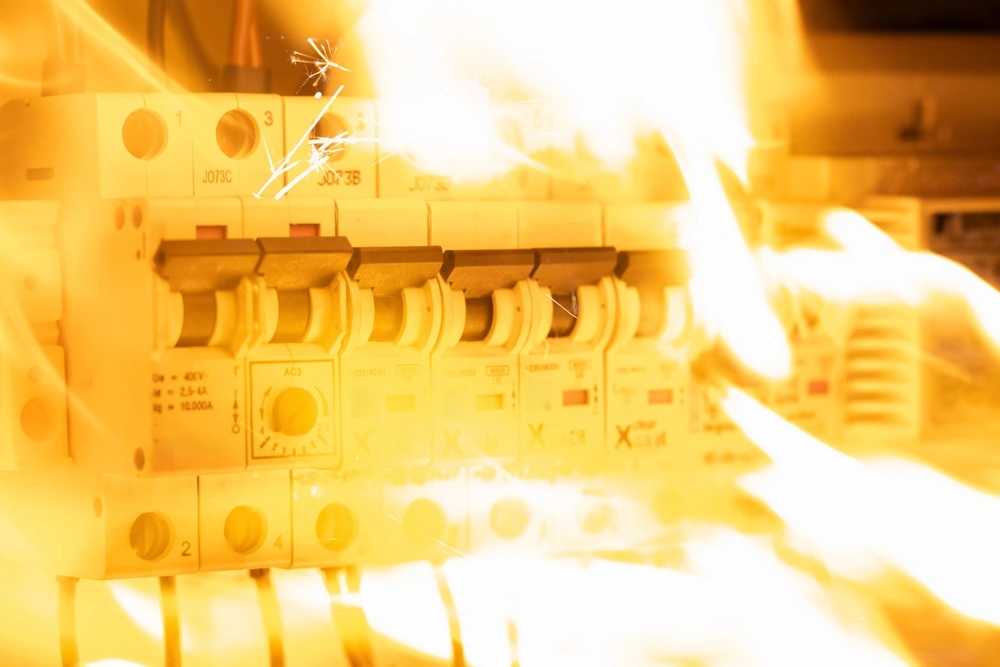
Knowing how to assess an electrical emergency helps you decide whether a situation can be managed safely in the moment or requires immediate professional assistance. At Allround Electrical, we see how early assessment and calm decision-making can prevent confusion, reduce risk and stop minor issues from escalating into serious emergencies.
This guide is for Australian homeowners, tenants, landlords and small business operators who want clear, practical guidance when electrical problems arise. It’s important because having a simple framework to assess an electrical issue can help you respond confidently, protect people and property and communicate more effectively with an electrician under pressure.
With the help of a professional emergency electrician in Wollongong, you will learn how to recognise electrical hazards, identify when urgent help is needed, take safe steps before assistance arrives, understand common local outage causes and ask the right questions during an electrical emergency.
Recognising Electrical Hazards at Home
Electrical hazards often appear subtle at first, which is why they are frequently underestimated. Many serious electrical incidents begin with warning signs that are ignored or misunderstood. Understanding how hazards present themselves helps you act before a minor issue turns into a dangerous emergency.
Homes vary widely in age, wiring standards and electrical load. Older properties and recently renovated homes are particularly vulnerable to hidden risks. Recognising hazards early allows you to isolate danger safely and protect both people and property.
Overheating Power Points and Switches
Heat buildup is one of the clearest indicators of electrical stress. It usually means wiring, connections or internal components are overloaded or deteriorating. If left unchecked, overheating can lead to melted fittings or electrical fires.
Watch for the following warning signs:
- Power points or switches that feel warm or hot to touch
- Discolouration, scorch marks or warping on faceplates
- Burning or plastic smells near outlets
Heat at power points is never normal and usually signals internal stress or deterioration. Acting early can prevent melted fittings and reduce the risk of electrical fires.
Frequent Tripping of Safety Switches
Safety switches are designed to cut power when they detect faults. While an occasional trip may occur, repeated tripping signals a deeper issue. This is especially important in homes where safety switches are legally required for protection.
This may be hazardous if you notice:
- The same circuit tripping repeatedly
- Switches tripping when certain appliances are used
- Inability to reset the safety switch
Repeated safety switch trips indicate an ongoing fault rather than a nuisance issue. These trips are warnings that should be investigated, not ignored or overridden.
Flickering or Dimming Lights
Lighting issues often indicate unstable voltage or loose connections. While flickering lights may seem harmless, they can signal wiring faults behind walls or ceilings. These faults can worsen over time and create fire risks.
You may notice:
- Lights dimming when the appliances start
- Flickering across multiple rooms
- Buzzing sounds from light fittings
Lighting irregularities often point to unstable connections or voltage issues. Addressing them early helps avoid hidden wiring damage behind walls or ceilings.
Signs You Need an Emergency Electrician
Not every electrical problem requires immediate emergency attention, but some situations should never be delayed. Knowing the difference helps you avoid unnecessary risk. When safety is uncertain, it is always better to act conservatively.
Emergencies often involve active danger to people or property. In these cases, waiting can make the outcome far worse. A qualified and professional electrician can respond quickly when urgent risks are present.
Burning Smells or Visible Smoke
Any burning smell or smoke coming from electrical fixtures is a serious warning sign. It usually means insulation, wiring or components are overheating or burning. This is one of the clearest indicators of an electrical emergency.
Risks that require immediate attention are:
- Fire ignition inside walls or ceilings
- Toxic smoke exposure
- Rapid escalation without visible flames
Burning smells or smoke indicate active overheating and immediate danger. These situations require urgent professional attention to prevent fire or injury.
Power Loss Affecting Safety Systems
Loss of power becomes an emergency when it impacts essential systems. This includes lighting, medical equipment, refrigeration or security systems. In some cases, power loss may hide underlying electrical faults.
Situations that require urgent attention are the following:
- Power loss combined with burning smells
- Loss of lighting at night or in stairwells
- Power failure affecting alarms or safety equipment
When power loss compromises lighting, alarms or essential equipment, safety is at risk. Emergency support ensures critical systems are restored or secured quickly.
Electrical Shocks or Tingling Sensations
Even minor shocks indicate a serious fault. Tingling sensations often point to earthing problems or exposed wiring. These issues can be life-threatening if ignored.
Beware of these warning signs:
- Shocks when touching appliances or taps
- Tingling from metal fixtures
- Static sensations that persist
Any shock or tingling sensation signals a serious earthing or wiring fault. Continued exposure increases the risk of severe injury and should never be dismissed.
Steps to Take Before the Professional Arrives
Once you recognise an electrical emergency, your actions should focus on safety, not investigation. Attempting repairs without training can worsen the situation. The goal is to reduce risk while waiting for professional assistance.
Simple, calm steps can prevent injuries and limit damage. Electrical systems are designed with safety features that homeowners can use responsibly. Knowing how to respond helps professionals work more effectively once they arrive.
Isolate Power Safely
Turning off power can reduce immediate danger. If it is safe to do so, isolating the affected circuit or the main switch can prevent further damage. Never approach electrical components if there is smoke, water or exposed wiring.
Safe isolation steps to remember:
- Switching off the main power at the switchboard
- Standing on a dry surface when operating switches
- Avoiding contact with damaged fittings
Isolating power can significantly reduce immediate danger if done safely. This simple step helps limit damage while you wait for professional assistance.
Keep People Away from the Area
Electrical emergencies can affect surrounding areas unexpectedly. Keeping people clear reduces the risk of accidental contact. This is especially important for children and pets.
Precautionary measures include:
- Blocking access to affected rooms
- Avoiding the use of nearby power points
- Turning off appliances in the area
Restricting access prevents accidental contact with hazardous electrical components. Clear boundaries reduce the risk of injury during uncertain conditions.
Avoid Temporary Fixes
Temporary fixes can create a false sense of safety. Taping wires, resetting switches repeatedly or swapping fuses can make faults worse. These actions may also complicate later repairs.
Avoid actions such as:
- Using extension cords to bypass faults
- Forcing safety switches to stay on
- Opening electrical panels
Temporary fixes often hide faults rather than resolve them. Leaving the issue untouched allows the electrician to assess and repair it properly.
Common Causes of Power Outages in Wollongong
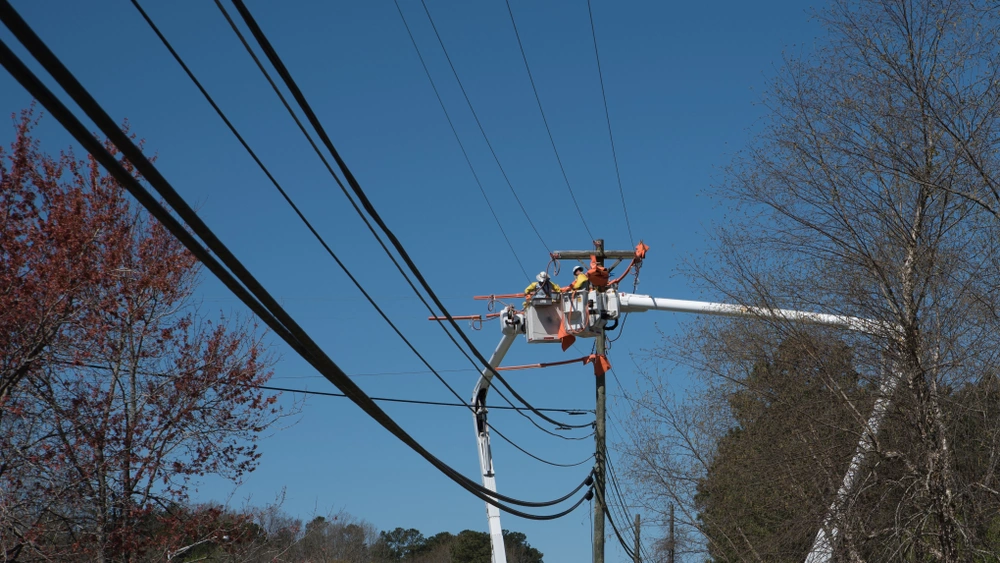
Power outages can result from external and internal factors, ranging from severe coastal weather to ageing electrical infrastructure and increasing household power demand. Understanding these common causes helps you assess whether an outage is likely network-related or originating within your own property.
Not all outages require an emergency electrician, but some situations should not be delayed. Identifying the likely cause allows you to decide whether to wait for network restoration, report the issue to your energy provider or request urgent professional assistance to address an internal electrical fault.
Severe Weather and Storm Activity
Wollongong experiences strong winds, storms and coastal weather patterns. These conditions can damage overhead lines and substations. Storm-related outages are often widespread and reported quickly.
Typical storm-related causes include:
- Fallen trees on power lines
- Lightning strikes
- Salt air corrosion near the coast
Storm-related outages are common in coastal areas. These are often external issues and may resolve once network damage is repaired.
Network and Infrastructure Issues
Some outages originate from the electricity network rather than the home. Scheduled maintenance or unexpected faults can interrupt supply. These outages usually affect multiple properties.
Indicators of network-related outages are:
- Neighbours experiencing the same outage
- Notifications from energy providers
- Power restoration without internal repairs
Widespread outages typically result from network faults or scheduled maintenance work. Confirming this helps avoid unnecessary emergency callouts.
Internal Electrical Faults
When only one property is affected, internal faults are more likely. These may involve switchboards, wiring or overloaded circuits. Internal outages often require professional inspection.
This is often caused internally by:
- Faulty appliances
- Deteriorated wiring
- Tripped the main switches
Single property outages often indicate internal electrical problems. These faults typically require professional inspection and repair.
Questions to Ask Your Electrician During an Emergency
Clear communication during an electrical emergency helps ensure the issue is resolved quickly and safely. Asking the right questions enables you to understand what has gone wrong, reduce the likelihood of repeat problems and make informed decisions under pressure when time and safety are critical.
A professional electrician should be able to explain the situation in plain language without technical confusion. The right questions help clarify immediate risks, expected repair timelines and whether further work is needed to restore full electrical safety.
What Caused the Emergency
Understanding the root cause helps prevent recurrence. Some issues are isolated, while others point to broader system problems. Knowing the cause informs future maintenance decisions.
Helpful follow-up points you need to remember:
- Whether the issue was appliance-related or system-wide
- Signs of ageing or non-compliant wiring
- Risks of similar issues elsewhere
Understanding the cause helps prevent repeat incidents. It also provides clarity on whether broader system issues are present.
Is the System Safe to Use Now
After emergency repairs, it is important to know what can be safely used. Some fixes are temporary and require follow-up work. Clear guidance prevents further incidents.
You should ask:
- Which circuits are safe to operate
- Whether temporary isolation is required
- If further repairs are recommended
Knowing what is safe to use immediately prevents further damage or injury. Clear guidance ensures you do not unknowingly operate compromised circuits.
What Preventative Steps Should Be Taken
Emergency callouts often uncover underlying electrical issues that may not have been obvious beforehand. Preventative advice from your electrician helps reduce the risk of future emergencies by addressing ageing components, overloaded circuits or compliance gaps. This is important for older homes, where wiring and switchboards may no longer meet current safety expectations.
Preventative discussions may cover:
- Switchboard upgrades
- Safety switch installation
- Electrical load management
Emergency repairs often highlight long-term improvement opportunities. Preventative steps reduce future emergencies and improve overall electrical safety.
Assessing an electrical emergency before calling an expert allows you to respond calmly, reduce immediate risks and provide accurate information when help arrives. By recognising hazards, understanding emergency indicators, taking safe preparatory steps and knowing common local outage causes, you protect people and property. At Allround Electrical, we encourage homeowners to stay informed and proactive because informed decisions lead to safer outcomes during electrical emergencies.