September 25, 2026
Why Does My Circuit Breaker Keep Tripping?
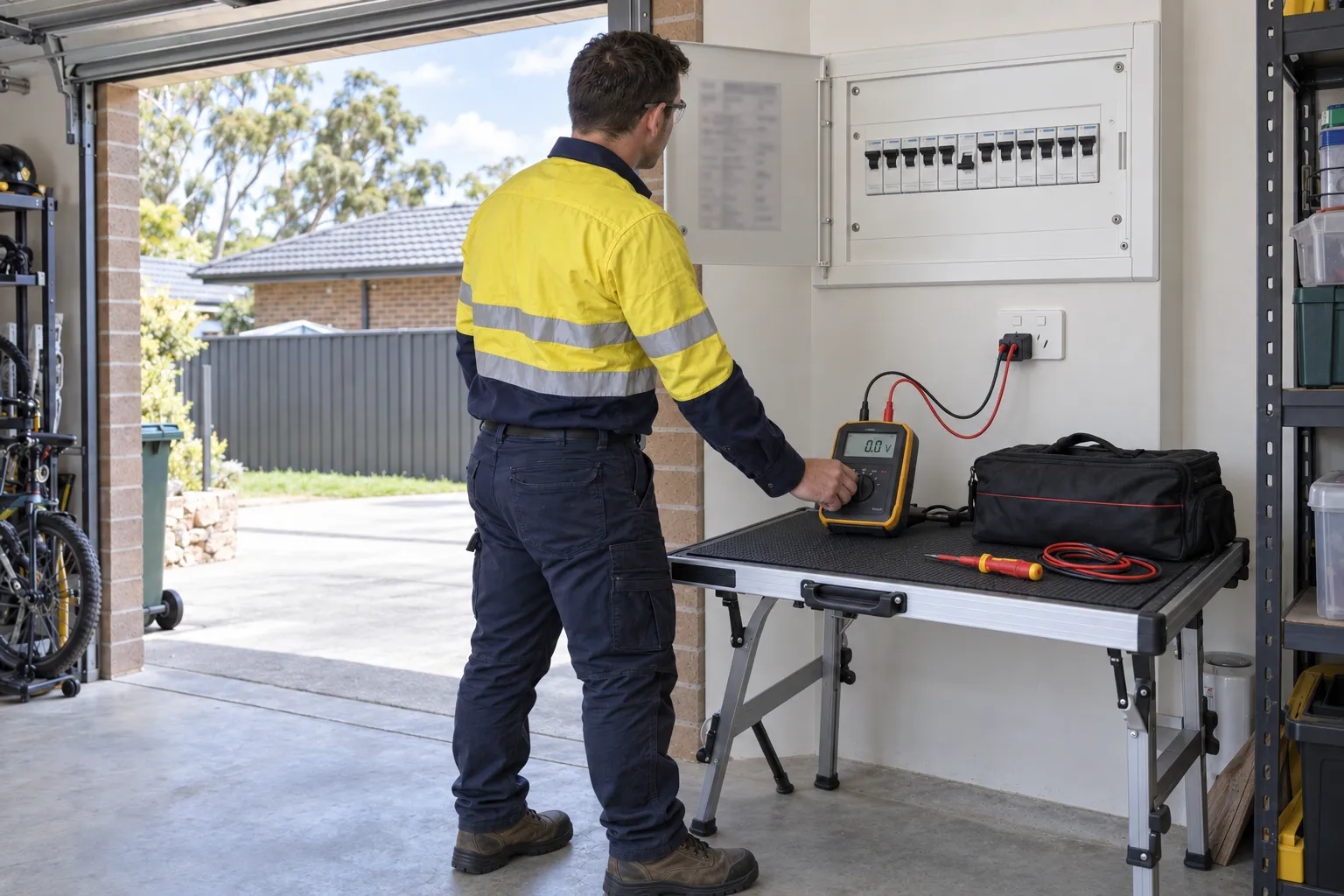
A circuit breaker that keeps tripping can indicate more than a temporary overload. For property owners looking for an electrician in Wollongong, repeated trips may point to faulty appliances, damaged wiring, moisture or other electrical issues that need attention.
Allround Electrical can help identify the likely cause and determine whether the problem is related to the circuit, an appliance or the electrical system itself. Recognising the warning signs early can help prevent equipment damage and more serious faults.
Knowing what can be checked safely, when a breaker can be reset and when professional assistance is needed can help maintain a safe and reliable electrical supply. Repeated tripping should not be ignored or treated as something that simply needs another reset.
Common Reasons Circuit Breakers Trip
A circuit breaker trips when it detects an electrical condition that could make a circuit unsafe. While an occasional trip may be caused by too many appliances operating at once, repeated tripping can indicate a faulty appliance, damaged wiring or an earth leakage issue.
Circuit Overload
A circuit can become overloaded when too many appliances draw power at the same time. High-demand appliances such as heaters, kettles, microwaves and dryers can quickly increase the load and cause the breaker to trip.
Reducing the number of appliances operating on the circuit may resolve a temporary overload. If the breaker continues to trip under a normal load, the circuit should be inspected by a licensed electrician.
Short Circuits
A short circuit occurs when an active conductor comes into contact with neutral or earth, creating a sudden increase in current. Damaged cords, loose wiring, rodents and incorrect electrical work can all contribute to short circuits.
Immediate tripping, burning smells, popping sounds, scorch marks or damaged outlets can indicate a short circuit. Repeatedly resetting the breaker should be avoided if these signs are present.
Earth Leakage and Faulty Appliances
Earth leakage can occur when electricity escapes from its intended path, often because of moisture, damaged insulation or a faulty appliance. Safety switches or RCDs are designed to detect this leakage and disconnect the power to help reduce the risk of electric shock.
The NSW Government explains the difference between a circuit breaker and a safety switch, noting that safety switches protect people from electric shock while circuit breakers protect electrical wiring and circuits.
Causes include wet outdoor fittings, pool equipment and damaged appliances like washing machines or dishwashers. If the safety switch continues to trip after appliances have been disconnected, the wiring or electrical fittings may need professional inspection.
Can Overloaded Circuits Cause Circuit Breakers to Trip?
Yes, an overloaded circuit can cause a circuit breaker to trip. This happens when several appliances draw more current than the circuit is designed to handle, causing the breaker to cut the power before excessive current can overheat the wiring. This is common in areas such as kitchens, laundries and home offices where several high-demand appliances may operate at the same time.
A breaker that trips when multiple appliances are running may indicate an overload if it remains on when the electrical load is reduced. Switching off unnecessary appliances and avoiding multiple high-demand devices on the same circuit may help prevent further trips.
Avoiding common electrical mistakes, such as overloading power boards or relying heavily on double adaptors, can reduce unnecessary strain on household circuits.
However, if the breaker starts tripping under a normal load or continues to trip after appliances have been switched off, the cause may be more than simple overloading. Ageing components, loose connections or other electrical faults can also contribute to repeated tripping and should be assessed by an electrician rather than repeatedly resetting the breaker.
Why Does the Circuit Breaker Trip When a Specific Appliance Is Used?
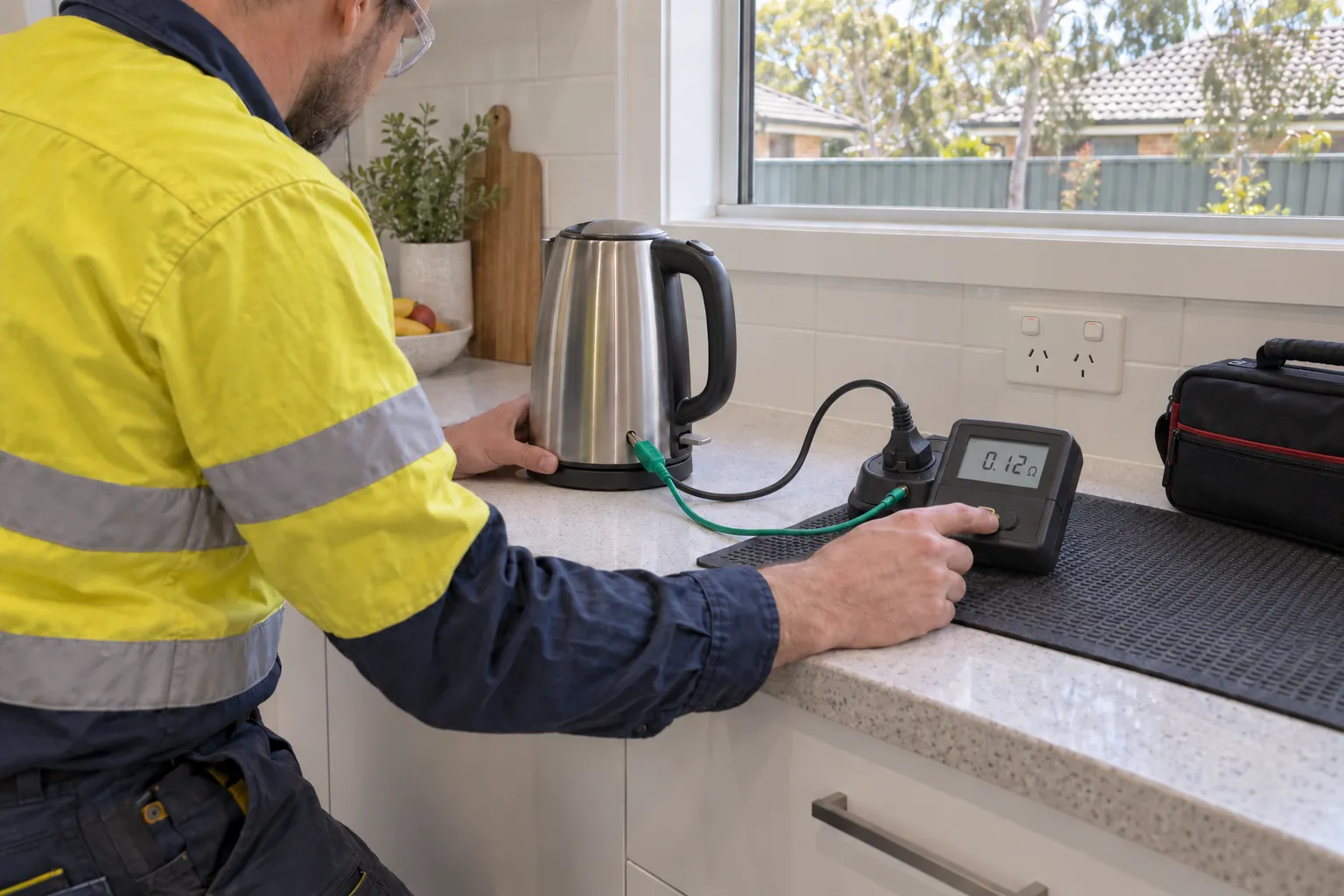
A circuit breaker may trip when a specific appliance is switched on because the appliance is faulty or drawing more current than expected. High-demand appliances can also contribute to an overload when other appliances are operating on the same circuit.
The timing of the trip can provide a useful clue. Immediate tripping may indicate a short circuit or earth fault, while a trip after the appliance has been running for some time may be linked to excessive current draw or an overheating component. Burning smells, unusual buzzing, damaged cords, scorch marks or excessive heat can also indicate that an appliance is faulty.
If the same appliance repeatedly causes the breaker or safety switch to trip, it should be switched off and disconnected if safe to do so. Repeatedly resetting the breaker or moving the appliance between outlets is not a reliable solution. If other appliances also cause the circuit to trip, or the breaker trips when nothing is connected, the problem may instead involve the wiring, power point or another part of the electrical system.
Can Faulty Wiring Cause a Circuit Breaker to Keep Tripping?
Yes, faulty wiring can cause a circuit breaker to trip repeatedly. Damaged insulation, loose connections, deteriorated cables or incorrect electrical work can create faults that cause the breaker to disconnect the power, even when only a small number of appliances are being used. Wiring can also deteriorate due to age, heat, moisture, physical damage or renovation work.
Warning signs can include repeated tripping with appliances unplugged, warm or discoloured power points, flickering lights, buzzing or crackling sounds and trips that occur more often during wet weather. These symptoms can indicate a fault within the fixed wiring rather than a problem with a particular appliance.
If the breaker continues to trip after portable appliances have been disconnected, it should not be repeatedly reset. Leaving the affected circuit switched off and arranging an inspection by a licensed electrician can help identify whether the problem involves the wiring, an electrical fitting, the breaker or another part of the electrical system.
How to Identify Which Circuit Is Causing the Problem
Identifying the affected circuit can help narrow down whether the problem is related to an appliance, electrical load or the fixed wiring. A few basic checks at the switchboard and around the affected areas can help identify where the issue is occurring.
Step 1: Check the Switchboard
Look for a breaker that has moved to the middle or OFF position. If the switchboard is labelled, the label may indicate which room, power points or appliances are supplied by that circuit.
If a safety switch or RCD has tripped, it may protect several circuits. Identifying which individual circuit causes it to trip again can help narrow down the source of the fault.
Step 2: Unplug Appliances
Once the affected circuit is identified, unplug portable appliances connected to it, including power boards, heaters, kettles and other high-demand devices. A reset should only be attempted if there are no signs of damage, heat, burning or other electrical hazards.
If the breaker stays on, appliances can be reconnected one at a time. If it trips when an appliance is used, that appliance may be faulty. If the breaker trips with everything unplugged, the problem may involve the wiring, power points or a fixed appliance.
Step 3: Look for Tripping Patterns
The circumstances surrounding each trip can provide useful clues. Tripping when several appliances are running may indicate an overload, while trips during wet weather can point to moisture or earth leakage.
A breaker that trips immediately after being reset, particularly with appliances disconnected, should not be repeatedly reset. The circuit should be left off and inspected by a licensed electrician.
Can You Reset a Tripped Circuit Breaker Safely?
Yes, a tripped circuit breaker can sometimes be reset safely when the cause appears to be a temporary overload and there are no signs of an electrical fault. Before resetting it, switch off and unplug appliances on the affected circuit and check for burning smells, scorch marks, unusual heat, buzzing sounds or signs of water around the switchboard or electrical fittings.
If there are no warning signs, the breaker can be moved fully to the OFF position and then back to ON. If it stays on, appliances can be switched back on gradually. If the breaker trips again immediately or trips when an appliance is used, it should not be repeatedly reset, as the underlying fault may require professional attention.
A breaker should be left off if it continues to trip with appliances disconnected, will not reset, feels damaged or is accompanied by flickering lights, burning smells, heat or other unusual electrical symptoms. Safety switches that trip repeatedly after rain or when outdoor equipment is used may also indicate an earth leakage or moisture-related fault requiring inspection by a licensed electrician.
Understanding when to call an emergency electrician can help property owners distinguish a temporary interruption from a fault that requires immediate attention.
What Does It Mean If a Circuit Breaker Trips Repeatedly?
A circuit breaker that trips repeatedly usually means an excessive electrical load or an underlying fault is still present. The pattern can provide useful clues. Tripping when several high-demand appliances are running may indicate an overload, while tripping when one appliance is switched on can point to a faulty appliance. Immediate trips may suggest a short circuit or earth fault, while trips during wet weather can indicate moisture or earth leakage.
If the breaker trips even when appliances are unplugged, the problem may involve the fixed wiring, an electrical fitting or the switchboard. Warning signs such as burning smells, scorch marks, warm power points, buzzing sounds or flickering lights should also be treated seriously.
A breaker should not be repeatedly reset simply to restore power. If it trips again after appliances have been switched off, will not remain on or shows other warning signs, the affected circuit should be left off and inspected. Identifying the cause can help prevent equipment damage and reduce the risk of a more serious electrical fault.
How Can You Prevent Circuit Breakers From Tripping?
Preventing circuit breakers from tripping starts with avoiding excessive electrical loads and keeping appliances in good condition. High-demand appliances should not be used together on an already busy circuit, while power boards and extension leads should not be relied on to supply too many appliances from one outlet.
Regularly checking cords, plugs and appliances for damage can also help identify problems early. Appliances that produce unusual smells, buzzing sounds or excessive heat should be switched off and assessed rather than repeatedly used after a breaker trips. Outdoor electrical equipment should also be protected from moisture and used in suitable conditions.
The NSW Government recommends that households test safety switches every six months to confirm that they disconnect the electricity supply correctly when tested.
If a breaker begins tripping more frequently despite normal appliance use, the issue may be related to the wiring, breaker or available circuit capacity. An electrician can assess the electrical system and determine whether repairs, additional circuits or other upgrades are needed to support the property's electrical demand safely.
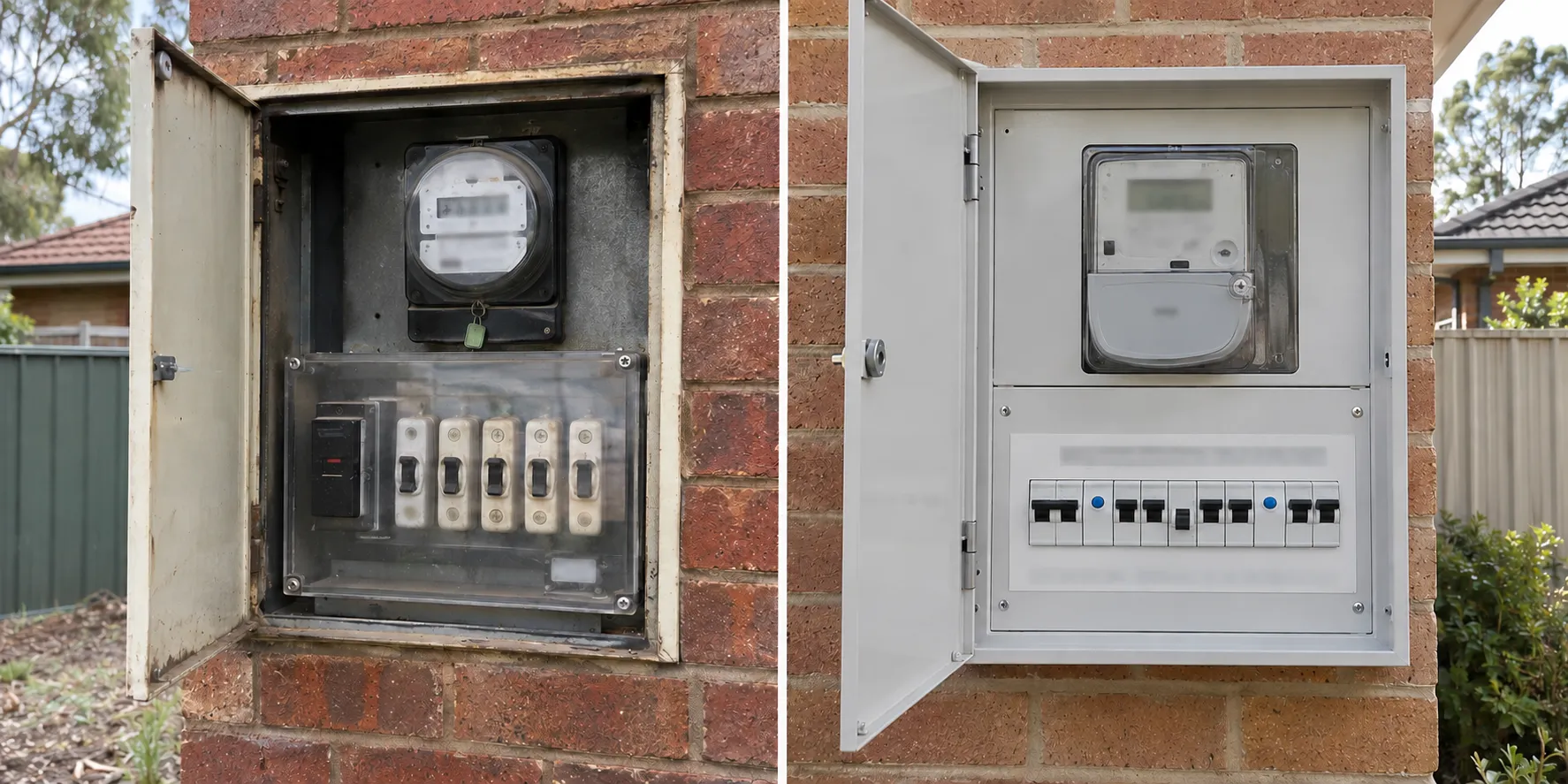
If the existing board is outdated or no longer supports the property’s electrical demand, a professional switchboard upgrade may provide improved circuit protection, additional capacity and modern safety switches.
When Should You Call an Electrician?
A circuit breaker that trips once may be caused by a temporary overload, but repeated tripping can indicate an electrical fault that needs professional attention. If the breaker trips again after appliances have been switched off or trips immediately after being reset, the affected circuit should be left off and inspected by a licensed electrician.
Professional assistance is also recommended when there are warning signs like:
- Burning smells, smoke or scorch marks around the switchboard, outlets or appliances
- Warm or melted power points, switches or switchboard components
- Tingling or mild shocks when touching an appliance or electrical fitting
- Flickering, dimming or unexpectedly bright lights
- Buzzing, humming or crackling sounds from the switchboard or outlets
- Tripping that occurs even when appliances have been unplugged
- An older switchboard with ceramic fuses, limited safety switches or signs of deterioration
- Frequent reliance on power boards, double adaptors or extension leads to supply appliances
- Changes to the electrical system during renovations or when adding high-demand appliances
These signs can indicate problems with wiring, electrical fittings, circuit capacity or switchboard components. Rather than repeatedly resetting the breaker, arranging an inspection can help identify the cause and determine whether repairs or upgrades are needed to keep the electrical system safe and reliable.
A circuit breaker that keeps tripping should never be ignored or repeatedly reset without finding the cause. Overloads, faulty appliances, damaged wiring and earth leakage can all trigger a breaker, while warning signs may indicate a more serious electrical fault. Simple checks may help identify an obvious cause, but persistent tripping requires attention from a licensed electrician. Allround Electrical can assess the electrical system, identify the source of the problem and recommend appropriate repairs or upgrades to help keep the property safe and the power supply reliable.