July 10, 2026
When Should You Call an Emergency Electrician Instead of Waiting Until Morning?
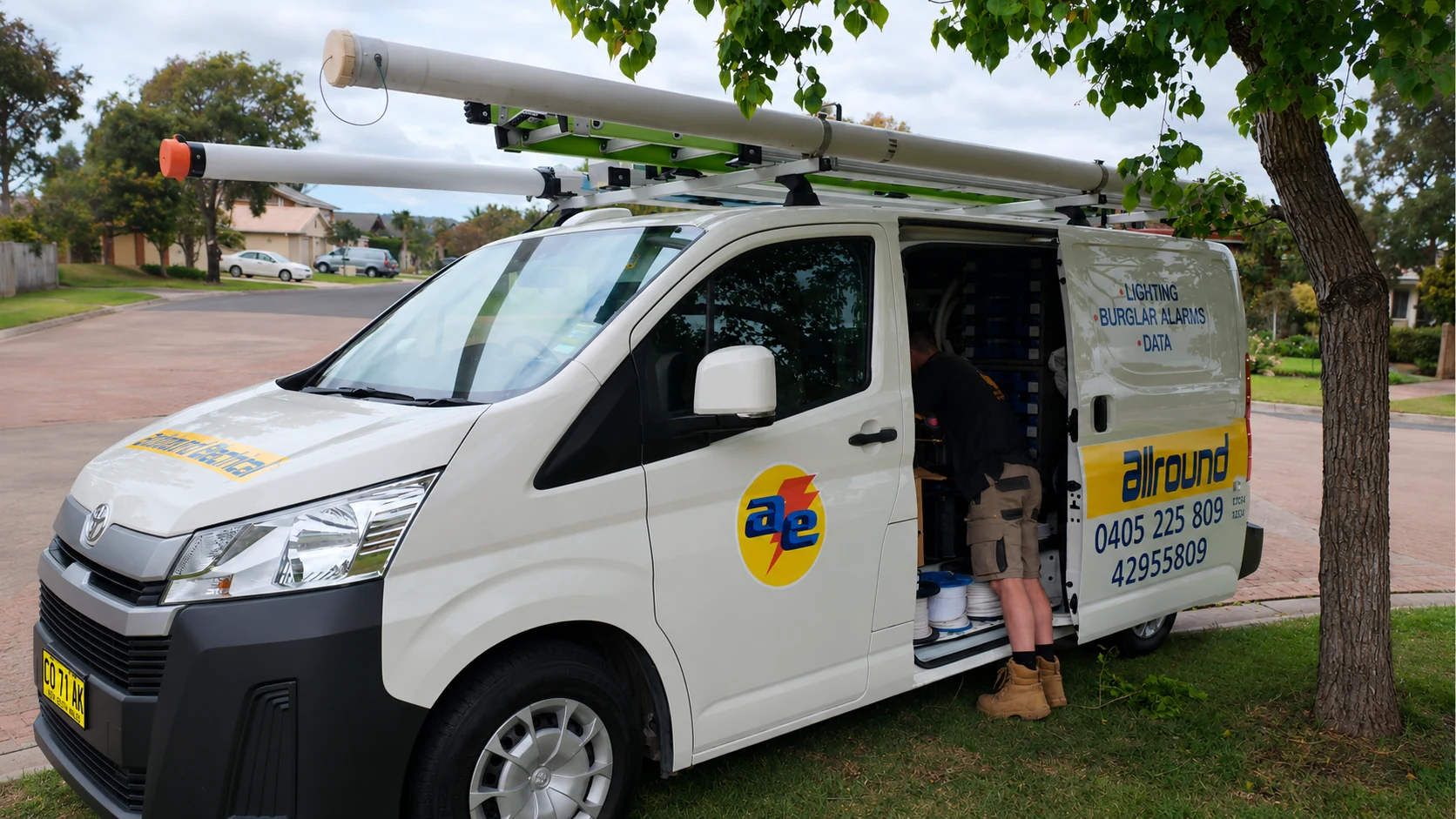
Electrical faults can occur without warning, turning an ordinary evening into a dangerous situation. Whether it is a persistent burning smell, a safety switch that refuses to reset, water near electrical fittings or sudden power loss, recognising when immediate action is necessary can help reduce the risk of fire, electric shock and costly damage.
For property owners seeking an emergency electrician in Wollongong, Allround Electrical responds to urgent electrical faults with the expertise needed to restore safety as quickly as possible.
This article explains how to identify genuine electrical emergencies, distinguish urgent hazards from less serious electrical issues and take practical steps to remain safe before a licensed electrician arrives. Understanding these warning signs makes it easier to respond appropriately when electrical problems arise.
Why Some Electrical Problems Should Not Wait Overnight
Some electrical faults are more than an inconvenience. They can escalate rapidly into fire hazards, electric shock risks or serious damage to appliances and wiring. Leaving these issues until morning can turn a manageable repair into a major emergency.
Understanding which warning signs indicate immediate danger helps prevent property damage and protects everyone in the home or workplace. Certain symptoms point to faults that are already unstable, overheating or exposed to moisture, which means they need to be dealt with as soon as possible.
Fire Risks Can Increase With Time
Electricity generates heat when there is resistance, overloading or a loose connection. If a circuit is already arcing or overheating at night, it may continue to deteriorate while everyone is asleep and less likely to notice early warning signs.
Fire risk indicators that should not wait include:
- A burning plastic, smoky or fishy smell from outlets, light fittings or switchboards
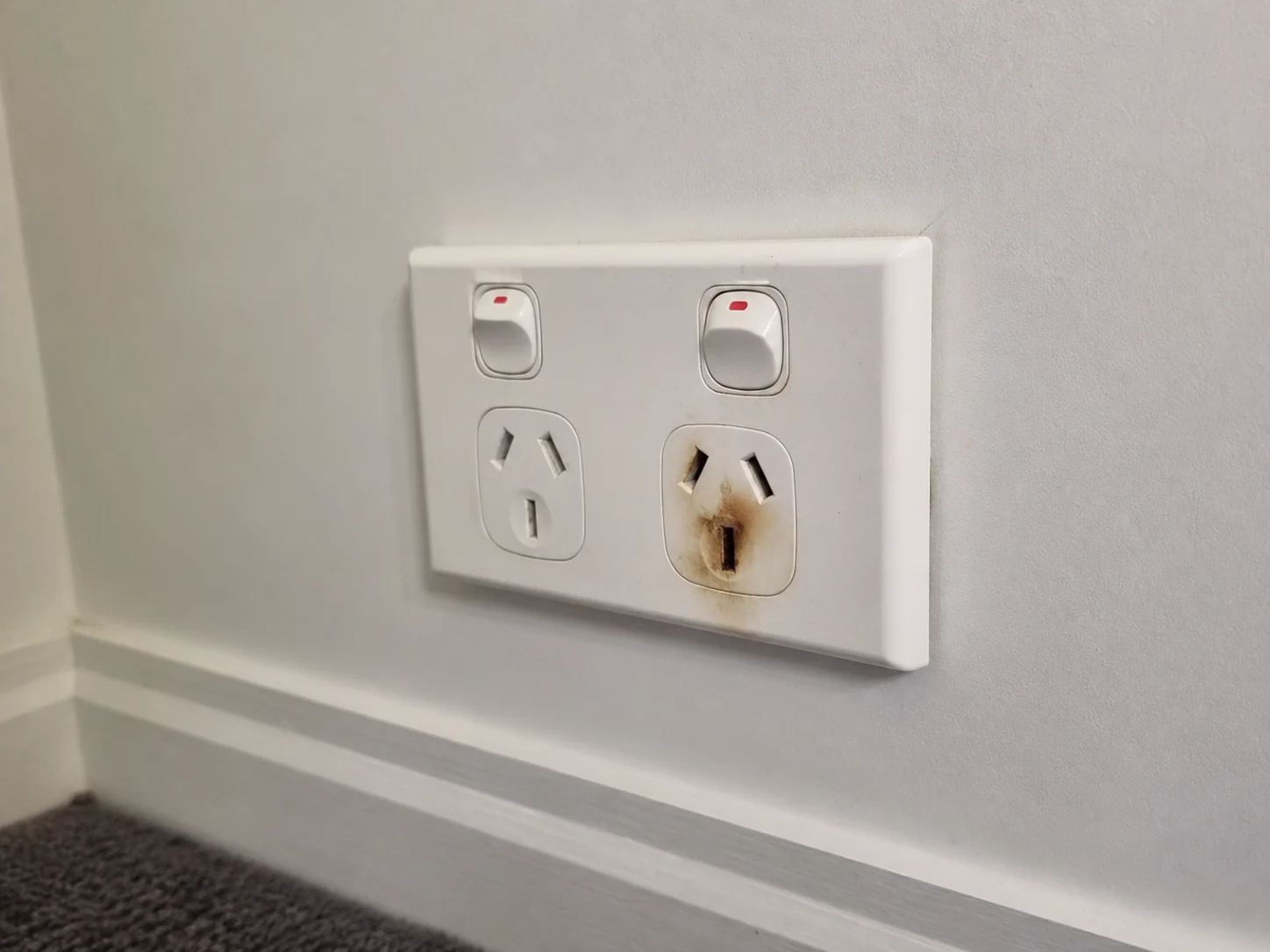
- Discoloured, brown or charred power points or switches
- Crackling, sizzling or buzzing sounds from behind walls or at the switchboard
- Smoke, sparks or visible arcing from electrical equipment
- Hot power points, light fittings, switches or switchboard components
These symptoms may indicate damaged insulation, loose connections or overheated wiring. Turning the power off at the main switch may reduce the immediate risk, but the fault remains in the electrical system. Until a licensed electrician inspects and repairs the issue, there is no guarantee that switching power back on will be safe.
Shock Hazards Cannot Be Safely Monitored
Some problems indicate that live electricity may be reaching places it should never be. Unlike a minor power interruption, shock hazards are unpredictable and can be fatal. They must be treated as emergencies regardless of the hour.
Urgent warning signs include:
- Tingling sensations when touching taps, appliances or metal surfaces
- Electric shocks from switches, power points or appliances
- Repeated tripping of safety switches as soon as a circuit is reset
- Water leaks near light fittings, power points, appliances or the switchboard
- A damp or flooded area close to electrical wiring or equipment
The fault may be in the earthing system, an appliance or hidden wiring. Waiting until morning gives moisture more time to spread and increases the chance of metal parts becoming live. No one can safely “keep an eye on it” overnight because one touch at the wrong moment can cause a serious electric shock.
Ongoing Faults Can Damage Appliances and Wiring
Some electrical problems are not immediately life-threatening but can still cause hidden damage if left unaddressed. Flickering lights, partial power loss, a hot switchboard or frequent power fluctuations may indicate overloaded circuits, failing connections or damaged wiring.
If these conditions continue for several hours, they can weaken insulation, shorten the life of appliances and electronics, or lead to sudden failure of key circuits. In a home or business that relies on fridges, freezers, pumps, medical devices or security systems overnight, the cost of waiting may exceed the price of an emergency callout.
When power fluctuations are frequent, circuits repeatedly trip or there is no clear cause for the fault, prompt assessment is usually the safer and more practical option.
Call Now If There Are Signs of Heat, Burning, Smoke or Sparks
Any sign of unusual heat, smoke, sparks or a burning smell from electrical equipment is an immediate red flag. These are not minor inconveniences that can wait until the morning. They are warning signs that electrical components may already be overheating.
If an outlet, switch, light fitting, appliance or switchboard feels hot, smells like burning, produces smoke or sparks, stop using it and call an emergency electrician. The priority is to remove power from the affected area if it is safe to do so, then arrange professional help without delay.
Recognising Dangerous Heat and Burning Smells
A warm phone charger or computer power pack can be normal during use. What is not normal is a power point, switch plate, ceiling light fitting or switchboard component that feels hot to the touch or becomes hotter over time. This can indicate wiring or connections under stress.
A burning smell is even more urgent. It may resemble melting plastic, burning dust, smoke or a faint fishy odour. Sometimes the source is difficult to pinpoint because the fault is inside a wall, ceiling or switchboard. The system needs immediate inspection if the smell appears when certain lights or appliances are turned on, or when a particular circuit is in use.
Do not ignore a burning smell simply because it stops after switching something off. The wiring may have cooled, but the underlying fault can remain and may flare up again when the circuit is used.
Smoke, Scorch Marks or Sparks Are an Emergency
Visible smoke from any outlet, switchboard, light fitting or appliance is an emergency. This can mean components are actively burning and may ignite surrounding materials. Even a small wisp of smoke should be treated as a serious hazard.
If smoke, sparks or flames are visible from electrical equipment:
- Turn off the power at the main switch if it is safe and quick to reach
- Keep people and pets away from the affected area
- Use a dry powder fire extinguisher rated for electrical fires only if trained and safe to do so
- Evacuate and call 000 if there is any fire, smoke spread or immediate danger
An emergency electrician should then inspect the system as soon as it is safe to do so. Even if the visible issue appears to have stopped, the underlying cause still needs to be identified and repaired.
Call Now If Water and Electricity May Have Mixed
Water anywhere near electrical wiring, outlets or appliances should be treated as urgent. If there is any chance that water has reached live electrical parts, do not wait until morning. Electricity can travel through water and damp building materials, causing shocks, fire risks or hidden damage that worsens over time.
Whenever water and power may have interacted, assume the situation is dangerous until a licensed emergency electrician confirms otherwise.
Common emergency situations include:
- Water leaking from a ceiling, roof or upstairs bathroom near light fittings or downlights
- Flooded rooms where power points, power boards or extension leads are in or near the water
- Outdoor flooding near garden lighting, pool equipment, pumps or external power outlets
- Leaking hot water systems, dishwashers or washing machines near power points or appliances
- A damp or wet switchboard
- Buzzing, scorching or repeated tripping after a leak or flood
If water has directly touched outlets, switches, the switchboard, exposed wiring or any appliance that is still plugged in, there may be a serious electrical hazard even if everything looks normal.
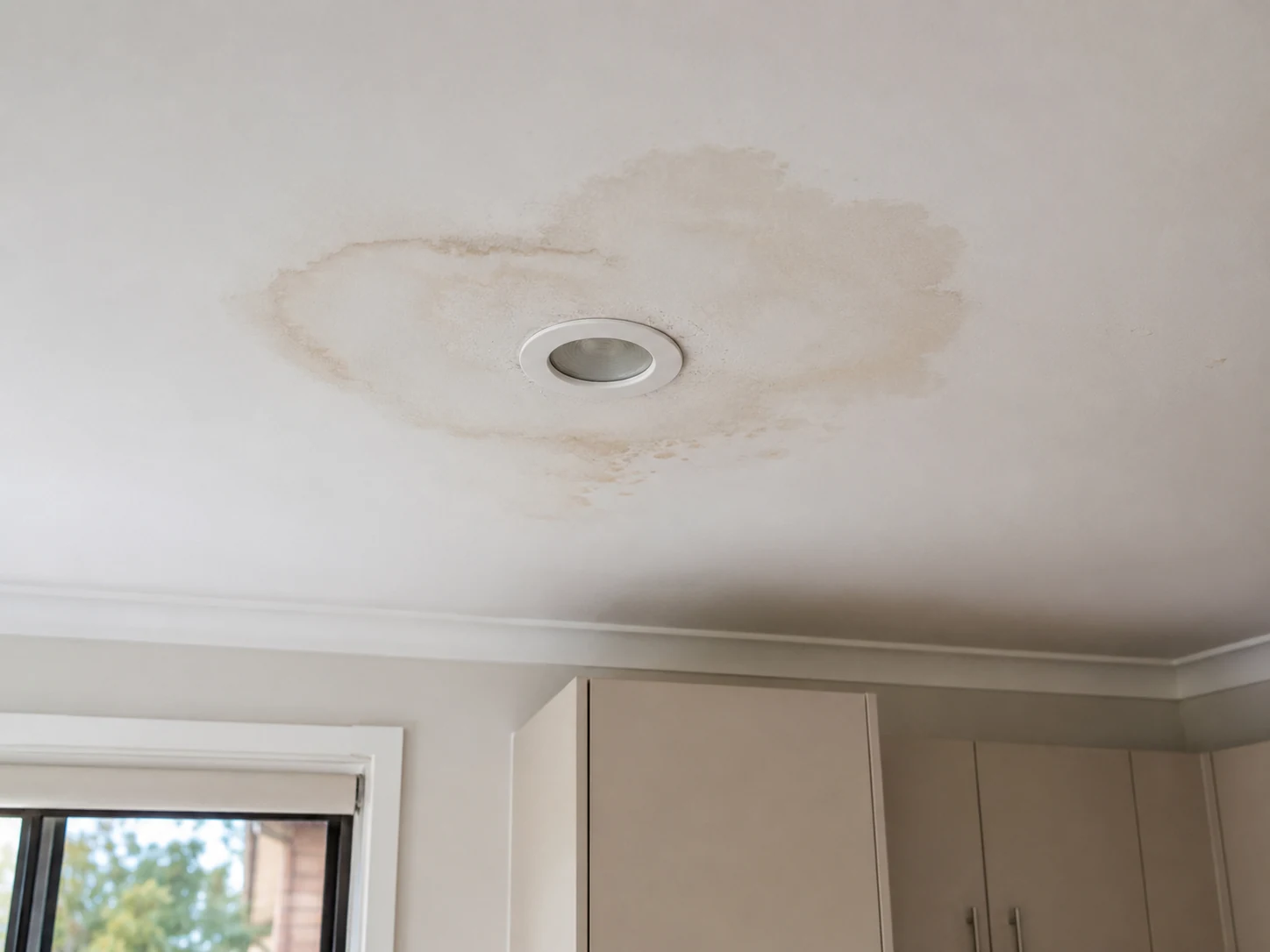
Immediate Safety Steps Around Water and Electricity
If it is safe to reach the main switchboard without walking through water, turn off the main power. Never touch the switchboard if it is wet, located in a flooded area or showing signs of arcing, burning or visible damage. In that situation, move everyone away from the area and call emergency services if there is immediate danger.
Keep family members, pets and visitors away from any wet area that could be energised. Do not touch wet appliances, unplug devices that are in contact with water or use light switches in nearby rooms until the system has been checked. Moisture can travel through walls, ceilings and flooring, making the hazard less obvious.
If the water is coming from a plumbing leak or burst pipe, turn off the water supply only if it is safe to do so. The priority should always be keeping people clear of the affected area and arranging urgent electrical attention.
Call Now If Power Loss Affects Safety or Essential Systems
Loss of power is not always an emergency. However, when it affects critical safety systems, medical equipment or essential living needs, waiting until morning can become dangerous. The key is to assess whether the outage is merely inconvenient or whether it compromises health, safety or the security of the property.
Before calling an electrician, check whether the outage appears to be affecting the wider street or neighbourhood. If it is a network outage, the electricity distributor may need to resolve the issue. If neighbouring properties still have power, or only part of your property is affected, the fault may be inside your electrical system and may require urgent attention.
Medical Equipment and Life Support
Any home that relies on powered medical devices moves into emergency territory when electricity is lost. Equipment such as oxygen concentrators, ventilators, dialysis machines, powered hospital beds, nebulisers or CPAP machines may be critical to health and safety.
The situation should be treated as urgent if this equipment stops working and there is no reliable backup power. Follow the medical plan provided by the healthcare team first, including calling emergency services or moving the person to a safe medical setting if required. Once immediate medical safety is managed, a licensed electrician can assess whether the fault is within the property and restore power safely.
Essential Household Systems
Some household systems move from convenience to necessity depending on the conditions and occupants. Loss of power may justify urgent electrical attention if it affects:
- Refrigeration for temperature-sensitive medication
- Heating or cooling during extreme weather
- Electric pumps that supply drinking water or basic sanitation
- Fridges or freezers storing essential goods overnight
- Equipment needed for infants, older adults or people with health conditions
For example, if medication such as insulin may spoil during a prolonged outage, or if a household has no safe heating or cooling during extreme temperatures, urgent electrical support may be necessary after confirming the issue is not a wider network fault.
Safety and Security Systems
When power failure affects safety systems, the issue may move beyond inconvenience. Hard-wired smoke alarms with battery backup may continue operating, but if alarms fail, constantly chirp or show signs of electrical fault, the system should be checked promptly.
Security can also be a concern. If gates, doors, external lighting or alarm systems fail unexpectedly at night and cannot be reset safely, urgent attention may be justified to restore basic safety and visibility.
What Electrical Issues Can Usually Wait Until Morning?
Not every electrical problem requires a late-night emergency callout. Some issues are inconvenient or concerning but not immediately dangerous. Knowing the difference can help avoid unnecessary emergency fees while still keeping the property safe.
As a general rule, an issue can often wait until business hours if there are no burning smells, smoke, sparks, visible arcing, electric shocks, water exposure, repeated tripping or power loss affecting safety-critical systems.
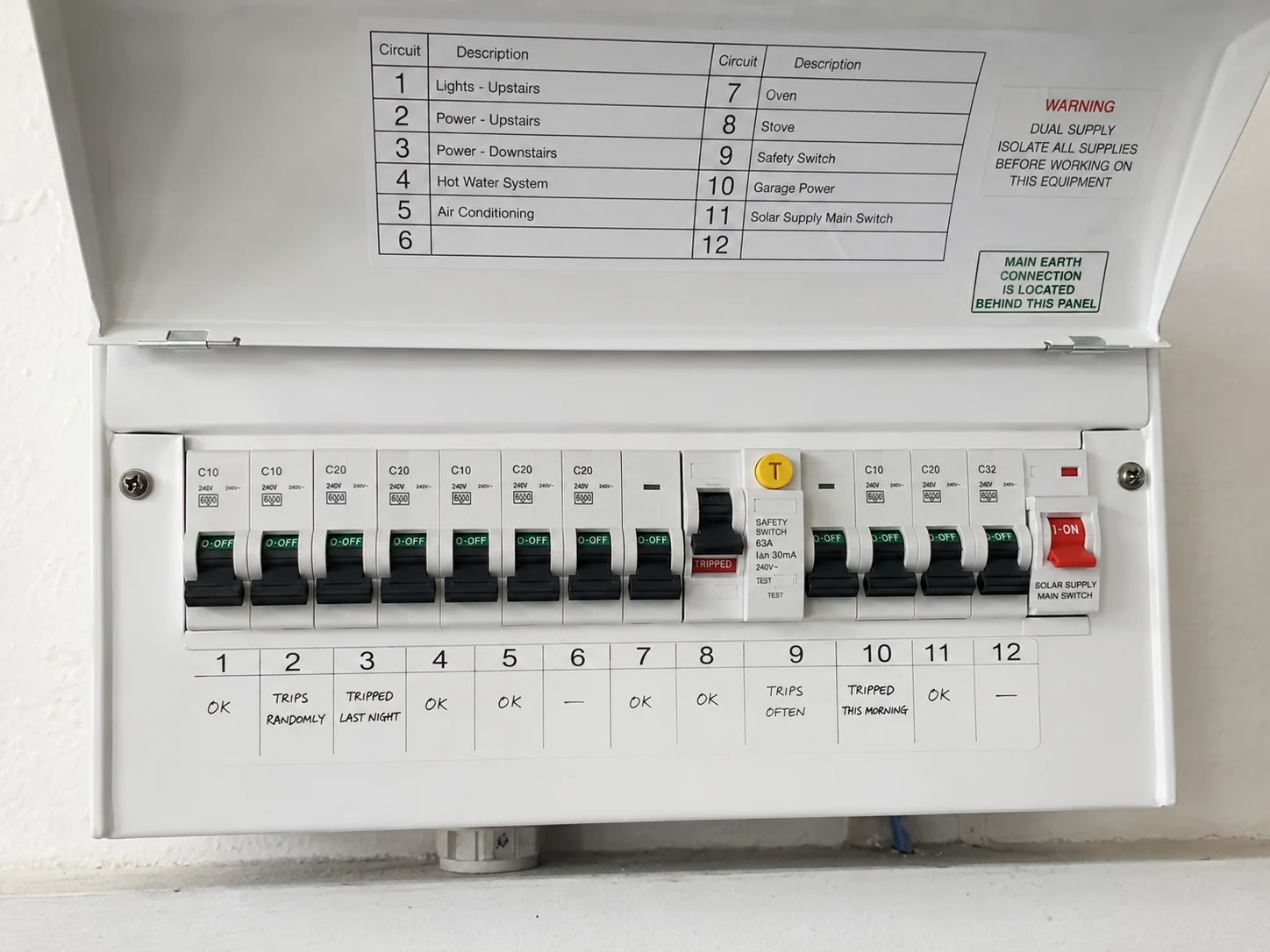
Flickering Lights Without Other Warning Signs
Occasional flickering in a single light is often linked to a failing globe, loose lamp, incompatible dimmer or minor fitting issue. If there is no burning smell, no buzzing from the switchboard, no heat and all other circuits are stable, it is usually not an overnight emergency.
The fitting should still be inspected if the problem continues, worsens or affects multiple lights. Flickering across several rooms or throughout the whole property may indicate a more serious supply or wiring issue.
Minor Partial Power Loss
Partial power loss in one room or to a small number of power points can often wait if:
- Essential appliances, medical equipment and security systems still have power
- Safety switches or circuit breakers reset and stay on
- There are no signs of heat, smoke, sparks or burning smells
- The affected circuit can be left unused until business hours
Unplug affected appliances and avoid using the problem circuit until it can be assessed. If the issue worsens, repeatedly trips or is accompanied by any warning signs, it should be treated as urgent.
A Circuit That Trips Once and Resets
A circuit breaker or safety switch that trips once and then resets and holds can often be dealt with during normal hours. Tripping may be caused by a temporary overload, such as too many heaters, kitchen appliances or high-draw devices running on one circuit.
The situation is usually less urgent if the power stays on after unplugging devices from that circuit and resetting the breaker or safety switch once. However, the circuit should not be repeatedly reset. If it trips again, smells hot, buzzes or will not stay on, call an electrician promptly.
Non-Essential Outlet or Switch Problems
A single power point that is loose, cracked or not working may be able to wait until business hours if it is not hot, sparking, buzzing or discoloured. The safest approach is to:
- Stop using the affected outlet
- Turn off the circuit at the switchboard if it is clearly labelled and safe to do so
- Avoid plugging anything into the damaged point
- Do not attempt DIY repairs or removal
A light switch that feels slightly stiff or occasionally fails to operate without any smell, sound, heat or visible damage is also usually not an overnight emergency. It should still be repaired promptly to prevent further deterioration.
What to Do While Waiting for an Emergency Electrician
Once an emergency electrician has been called, the priority is to keep everyone safe and prevent the situation from getting worse. The right actions in the first few minutes can reduce the risk of fire, electric shock and further damage to the property.
Focus on isolating obvious hazards, keeping people away from dangerous areas and avoiding all DIY electrical work.
Isolate Power Where It Is Safe to Do So
If there are sparks, smoke or arcing sounds from a specific appliance, turn it off at the wall only if it is safe to reach. If the switch or power point is hot, scorched, wet or visibly damaged, do not touch it.
If the issue affects a larger part of the home, turn off power at the main switchboard if it is safe to access. Stand to the side, keep your feet dry and turn the main switch off firmly. If there is fire, smoke, arcing or visible damage within the switchboard, do not approach it. Evacuate and call 000.
Where water is involved, no one should step into the water or touch any electrical device. Power should only be turned off at the main switchboard if it can be reached without crossing wet areas.
Keep People and Pets Away
Restrict access to the affected area. Children and pets should be kept well away from switchboards, damaged power points, exposed wiring and any room with a burning smell, visible smoke or water near electrical equipment.
If lighting has failed, use torches or battery-powered lanterns rather than candles. Open flames increase fire risk when there may already be an electrical fault.
Where it is safe to do so, open windows and doors to ventilate light smoke or odours from overheated wiring. This can also make it easier to notice if the smell worsens.
Prepare Useful Information for the Electrician
While waiting, monitor the situation from a safe distance. Do not repeatedly reset tripped circuit breakers or safety switches. Leaving them as they are can help the electrician identify the fault more accurately and reduces the risk of further damage.
Useful information to note includes:
- Which circuits, rooms or appliances were affected
- Whether there was a burning smell, noise, smoke or spark
- Whether there were storms, leaks, flooding or recent electrical work
- Which appliances were being used when the problem started
- Whether neighbouring properties still have power
Above all, no one should remove switchboard covers, inspect wiring in roof spaces, touch damaged cables or attempt temporary repairs. Waiting safely with power isolated where necessary gives the electrician the best conditions to resolve the problem quickly and safely.
When a Level 2 Electrician May Be Needed
Some electrical emergencies involve equipment connected to the incoming supply, not just wiring inside the property. In these situations, a standard electrician may not be authorised to carry out the required work and a Level 2 electrician may be needed.
A Level 2 electrician is accredited to work on service lines, connection points and metering equipment. Recognising this early can prevent delays in power restoration and reduce the risk of unsafe work around the incoming supply.
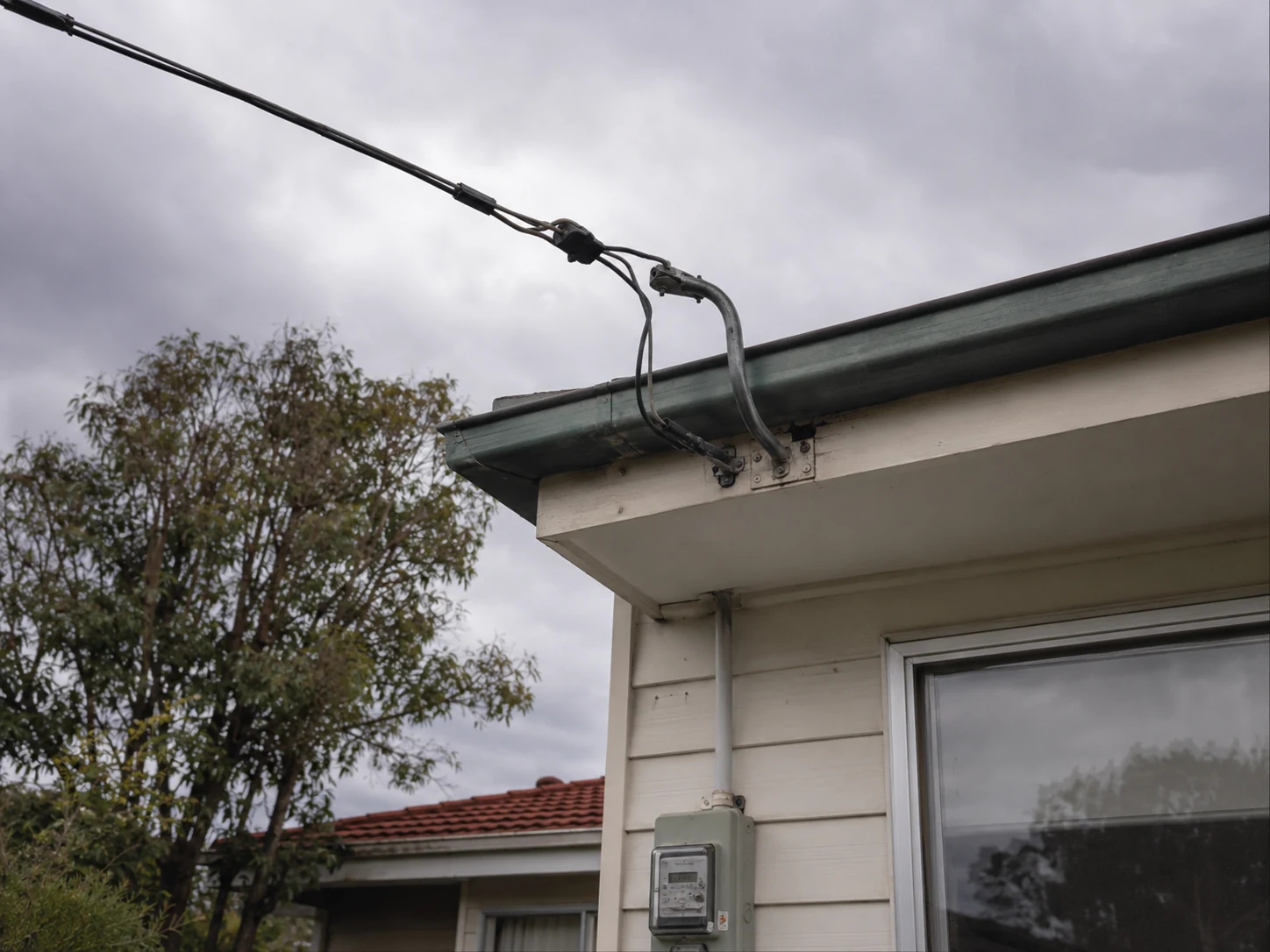
Issues at the Point of Attachment or Service Line
If the problem involves the cable from the street or the point where it attaches to the building, a Level 2 electrician is usually required.
Be aware of these signs:
- A service line hanging low or lying on the ground after a storm or vehicle impact
- Sparking or arcing where cables enter the fascia or roof
- A cracked or broken point of attachment, such as a bracket pulling away from the wall
- Burning smells or visible charring around the entry point of the supply cable
The area should be kept clear and the power should be treated as live, even if it appears to be off. Do not attempt to move damaged cables. If powerlines are down, damaged or creating immediate danger, contact emergency services or the electricity distributor, then arrange a Level 2 electrician where private property connection work is required.
Meter Box, Main Switchboard and Supply Faults
Problems at the meter box or main switchboard that relate to the incoming supply may also require Level 2 accreditation. This can include:
- Burning, melting or arcing around the meter
- Tampered, loose or damaged metering equipment
- Main fuse failure
- Emergency disconnection or reconnection after fire, flooding or structural damage
- Supply upgrades or temporary supply requirements
If the main incoming fuse has failed or the meter has been damaged, a general electrician cannot usually remove seals or alter metering equipment. A Level 2 electrician can isolate the supply at the correct point, complete authorised repairs and restore power once the system is safe.
Recognising the difference between an electrical inconvenience and a genuine emergency can prevent serious injury, property damage and unnecessary delays. Burning smells, smoke, sparks, electric shocks, persistent tripping circuits, water near electrical equipment and power failures affecting safety systems should always be treated as urgent. Less critical issues without signs of overheating, moisture or repeated failure can often be scheduled during normal business hours.
Responding quickly to genuine hazards, isolating power where it is safe to do so and avoiding DIY electrical work are the safest ways to minimise risk until a licensed electrician can inspect and repair the fault.