
May 26, 2026
What to Know Before Upgrading Your Consumer Mains
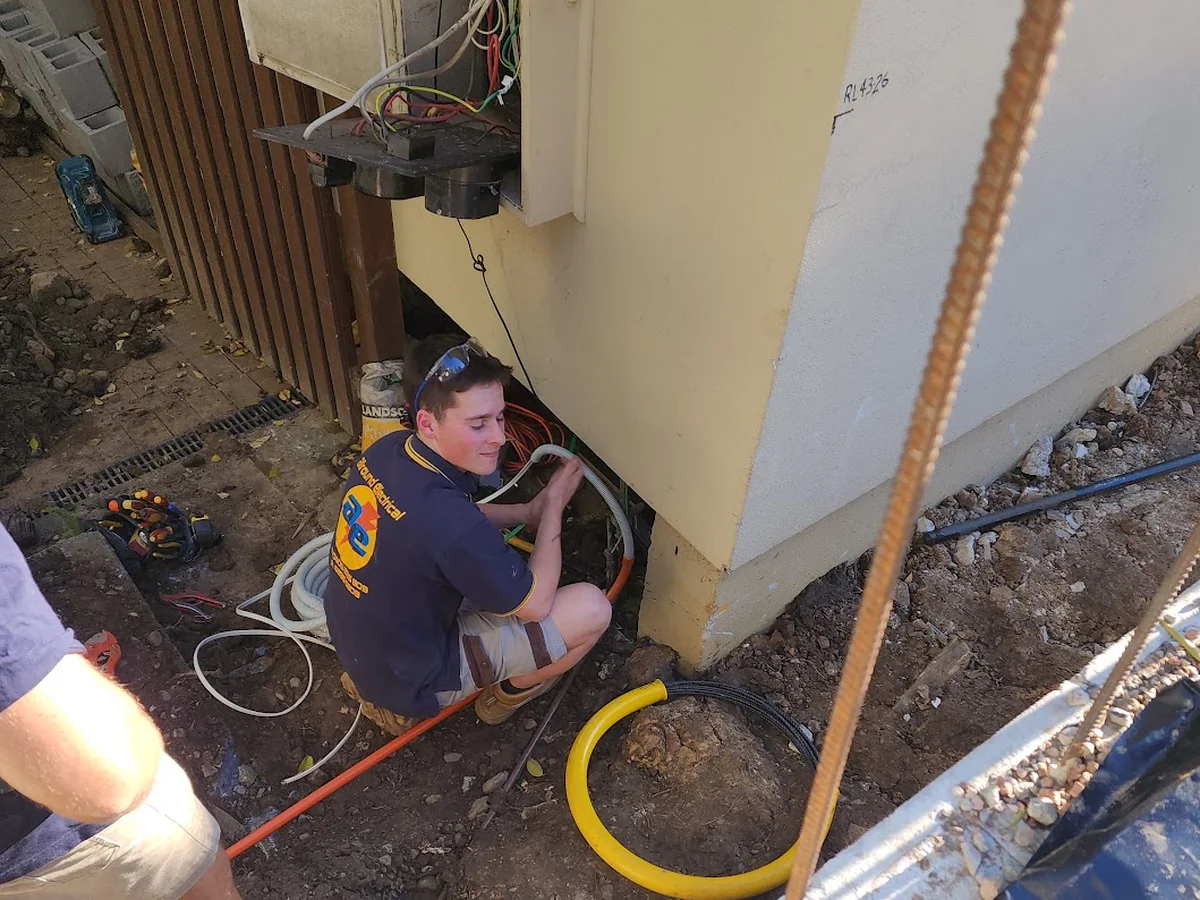
Upgrading consumer mains is one of the most important electrical decisions for a property because it directly affects safety, supply capacity and long-term performance. As homes and businesses rely on more high-demand appliances, many older mains installations are being pushed beyond what they were originally designed to support. For property owners planning major electrical upgrades, working with a qualified Level 2 electrician in Wollongong is essential for assessing capacity, meeting network requirements and ensuring the installation remains safe and compliant.
Allround Electrical explains what is involved in a consumer mains upgrade, why it may be necessary for residential and commercial properties, and the key factors that need to be considered before work begins. The article also covers common warning signs of inadequate supply, how mains capacity affects future upgrades and what typically happens during the upgrade process.
What Consumer Mains Are and Why They Matter
Consumer mains are the electrical cables that carry power from the point of supply, usually from the street or property boundary, into the main switchboard. They form the backbone of a property’s electrical system and help determine how much power can be safely and reliably supplied for everyday use.
Understanding what consumer mains do, and how their condition affects safety and capacity, is essential before planning major upgrades such as EV chargers, induction cooktops, new air conditioning systems or larger commercial equipment.
What Consumer Mains Actually Do
Consumer mains form the critical link between the electricity network and all circuits inside a home or business. In practical terms, they:
- Bring electricity from the network connection point into the main switchboard
- Determine the maximum current that can be safely supplied to the property
- Feed downstream protective devices such as main switches, safety switches and circuit breakers
Their size, type and installation method are selected to handle a specific load without overheating or creating voltage drop problems. For example, an older home may have consumer mains sized for basic lighting, a small electric stove and limited power points, while a modern property may need a larger supply to support air conditioning, electric hot water, induction cooking, EV charging and other high-demand systems.
Why Consumer Mains Are Critical for Safety
Undersized or deteriorated consumer mains can create serious safety risks. If the cables are too small for the load they carry, they can overheat under heavy use, increasing the chance of insulation damage, equipment failure and potential fire. Age, moisture, mechanical damage and poor terminations can also contribute to insulation failure or loose connections.
The protective devices at the switchboard are designed to work with correctly sized and installed mains. When the mains are marginal, overloads or faults may lead to nuisance tripping, unstable supply or unnecessary stress on cables and connected equipment. In older installations that predate current requirements, there may also be issues such as:
- No dedicated earth conductor or inadequate earthing
- Obsolete cable types with degraded insulation
- Connections that no longer meet current wiring rules
Upgrading consumer mains to meet current requirements can improve fault protection, reduce fire risk and support the safe operation of modern electrical loads.
How Consumer Mains Affect Capacity and Future Upgrades
The capacity of consumer mains sets a practical limit on what can be added to an electrical installation. If the mains are already operating close to their rating, adding high-demand equipment can lead to frequent tripping, voltage fluctuation and accelerated wear on the system.
Common triggers for a consumer mains upgrade include:
- Installing an electric vehicle charger
- Converting from gas to electric cooking or hot water
- Adding ducted or multiple split-system air conditioners
- Planning a major renovation or secondary dwelling
- Expanding commercial equipment, machinery or refrigeration loads
In many cases, the existing cables or main switchboard may not be able to legally or safely support the extra load without assessment or upgrade. Correctly sized consumer mains provide more headroom for future appliances, maintain stable voltage and help the property comply with network and wiring requirements.
When a Consumer Mains Upgrade May Be Needed
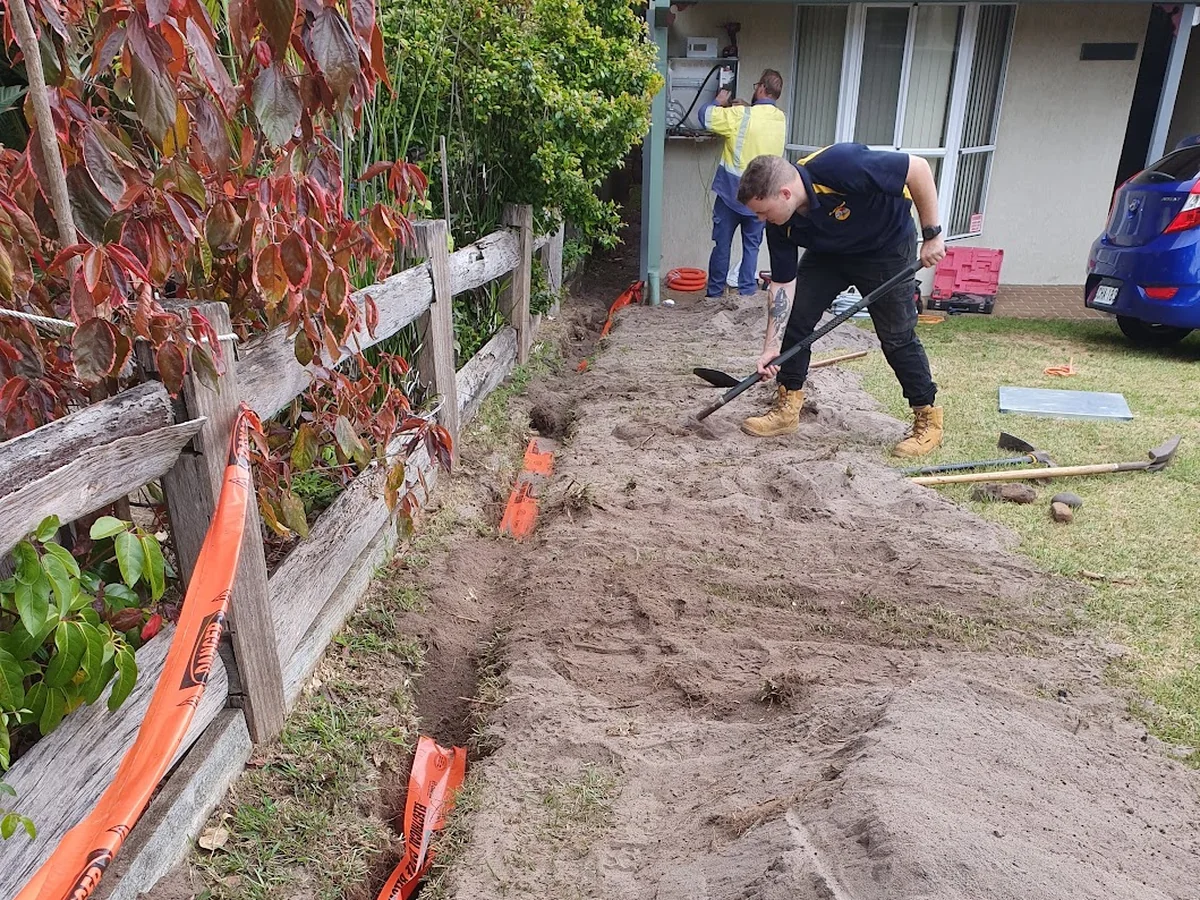
A consumer mains upgrade is usually driven by safety concerns, increased electrical demand or changes to the property. It becomes necessary when the existing supply can no longer safely or reliably support the appliances, technology and systems being used day to day.
Ignoring the early signs can lead to frequent power interruptions, damage to expensive equipment and an increased risk of electrical fire or electric shock.
Increased Electrical Load and Modern Appliances
One of the most common triggers for a consumer mains upgrade is an increase in electrical load. Older homes were often not designed for the level of electrical demand that is now considered normal. Warning signs may include regular tripping of the main switch or fuses, lights dimming when large appliances start, or power points and switchboard components feeling warm to the touch.
Renovations can also increase demand. Extra rooms, granny flats, home offices, workshops and outdoor living areas may all place more load on the existing supply. A consumer mains upgrade may be needed before installing three-phase appliances, larger air conditioning systems, multiple electric hot water units or machinery.
Electric Vehicle Chargers and Solar Systems
Electric vehicle chargers are placing new demands on existing electrical supplies. Many single-phase homes are already operating close to capacity before an EV charger is added. A fast home charger can draw a large continuous load, which older consumer mains may not be able to support safely.
Solar systems and battery storage can also expose limitations in the existing installation. While solar can reduce grid demand overall, it may still require upgrades to metering equipment, main switchboards, protection devices and, in some cases, the consumer mains themselves. These upgrades help ensure export limits, fault protection and isolation requirements can be met.
Age, Condition and Compliance of Existing Mains
Even without a major increase in demand, an upgrade may be required because the existing consumer mains are old, damaged or no longer suitable for current requirements. Properties that still rely on ceramic fuses, old cable types, brittle insulation or undersized conductors may carry a higher risk of overheating or insulation failure.
Evidence of corrosion at the point of attachment, damaged mains tails at the meter or repeated faults traced to ageing cabling are strong indicators that the mains may need replacement. Insurance assessments, property sales and electrical safety inspections can also identify these issues and recommend or require an upgrade.
Why Consumer Mains Upgrades Require a Level 2 Electrician
Upgrading consumer mains is not a standard electrical job. It involves work on the supply side of the installation, where the home or business connects directly to the electricity network. Because this work affects the network connection, it can only be carried out by a qualified and authorised Level 2 electrician.
Using anyone other than an authorised Level 2 electrician for this type of work is unsafe and can breach network requirements. It may also result in connection delays, failed inspections, fines or supply disconnection.
Work on the Network Side Is Restricted
Consumer mains upgrades usually involve more than replacing cables inside a switchboard. Depending on the property, the job may include:
- Disconnecting and reconnecting power at the point of attachment or service fuse
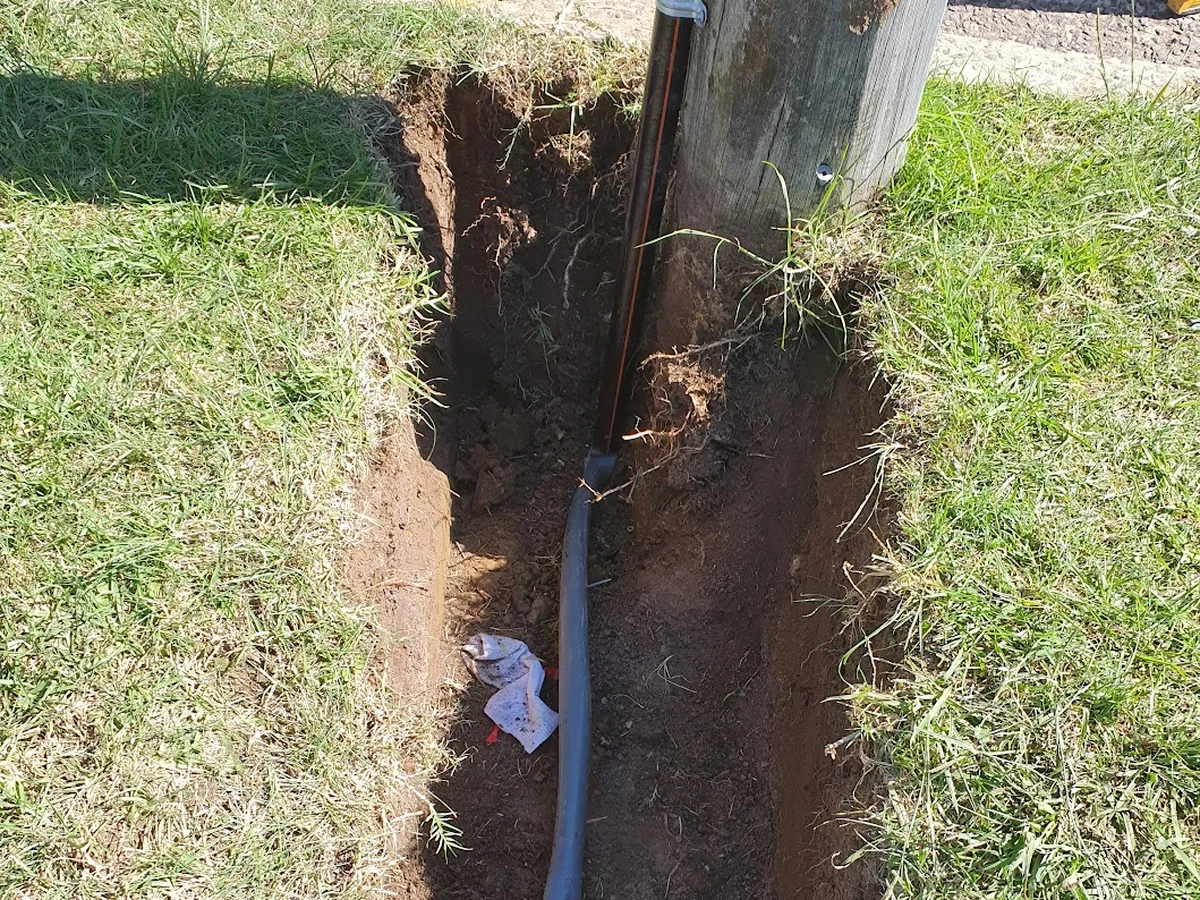
- Upgrading overhead or underground service lines from the network connection point
- Altering or replacing service fuses, service protection devices and meter panels
- Coordinating with the electricity retailer and local network operator
These tasks are classed as Level 2 service work. A standard electrician can work on the customer side of the installation, but they are not authorised to open network seals, access service fuses or alter supply conductors connected to the network.
Safety, Legal Compliance and Certification
Mains upgrades directly affect fault currents, supply capacity and earthing. Mistakes at this level can create serious electric shock risk, fire risk or damage to appliances throughout the property.
Level 2 electricians are trained and authorised to:
- Assess maximum demand and size new mains correctly
- Verify that fault protection and earthing meet current requirements
- Work in de-energised or controlled conditions using approved procedures
- Coordinate the upgrade with relevant network and metering requirements
After completing the upgrade, the electrician can issue the required compliance documentation and submit the appropriate notification to the network provider. This is important for legal connection or reconnection of supply, network inspection approval where required and insurance validity if an incident occurs.
Work carried out by someone without the correct authorisation cannot be properly certified at the network level. This can delay connections and create issues during property sales, inspections or insurance claims.
What to Check Before Booking a Consumer Mains Upgrade
Before locking in a consumer mains upgrade, it is worth confirming a few key details. Doing this early helps avoid delays, unexpected costs and last-minute design changes once the electrician is on site.
The following checks focus on the practical issues that typically affect pricing, timing and feasibility, so the upgrade can be specified correctly from the beginning.
Confirm Existing Supply Capacity and Condition
Start with a clear picture of what is already in place. The existing service size and condition often determine how complex the upgrade will be. Important details include:
- Main switch rating in the switchboard
- Any labelling that indicates supply size or phase type
- Presence of old fuses, brittle insulation, older cable types or corroded terminations
- Condition of the switchboard, meter panel and point of attachment
If the supply repeatedly trips when multiple heavy loads run together, that is a strong sign the current mains may be undersized for the way the property is being used.
Assess Current and Future Load Requirements
Consumer mains should be sized with future demand in mind, not only what is connected today. Before booking an upgrade, list the major electrical loads currently in use and any planned additions. Key items to consider include:
- Electric vehicle charger or provision for one
- Ducted or multi-split air conditioning
- Electric hot water or heat pump systems
- Induction cooktop and electric oven
- Pool equipment or spa
- Home workshop machinery or welders
- Solar PV and battery systems
- Commercial machinery, refrigeration or specialised equipment
Where possible, note the kW rating of each major appliance. This information helps the electrician calculate maximum demand and decide whether single-phase supply remains suitable or whether three-phase supply should be considered. It also influences cable sizing, switchboard layout and protective device selection.
Check Site Access, Meter Position and Network Requirements
Physical and network constraints can significantly affect a consumer mains upgrade, especially in established suburbs and older buildings. Before work begins, it is useful to confirm:
- Location of the existing meter and main switchboard
- Whether there is clear access for network technicians and electricians
- Whether the meter position still meets current access and clearance requirements
- Any structural challenges, such as concrete, double brick walls or difficult cable routes
- Separation from gas services, windows, doors or other services
Network service rules in the local area will influence meter position, height clearances and access requirements. In some cases, the meter may need to be relocated, a new switchboard enclosure may be required, or additional work may be needed before the mains upgrade can proceed.
A consumer mains upgrade is not a cosmetic improvement or a simple component replacement. It is a critical electrical upgrade that affects safety, compliance, reliability and long-term capacity. Load calculations, network requirements, switchboard condition, cable sizing, earthing and protective devices all need to be considered together before the correct upgrade path can be confirmed.
Planning for increased demand from EV chargers, solar systems, battery storage, air conditioning and high-load appliances helps reduce the risk of future rework or supply issues. When approached as a planned upgrade rather than a reactive fix, improved consumer mains can provide safer performance, greater reliability and the capacity to support the changing electrical needs of the property.