
May 4, 2026
Switchboard Upgrade or Relocation: When It’s Required and What to Expect
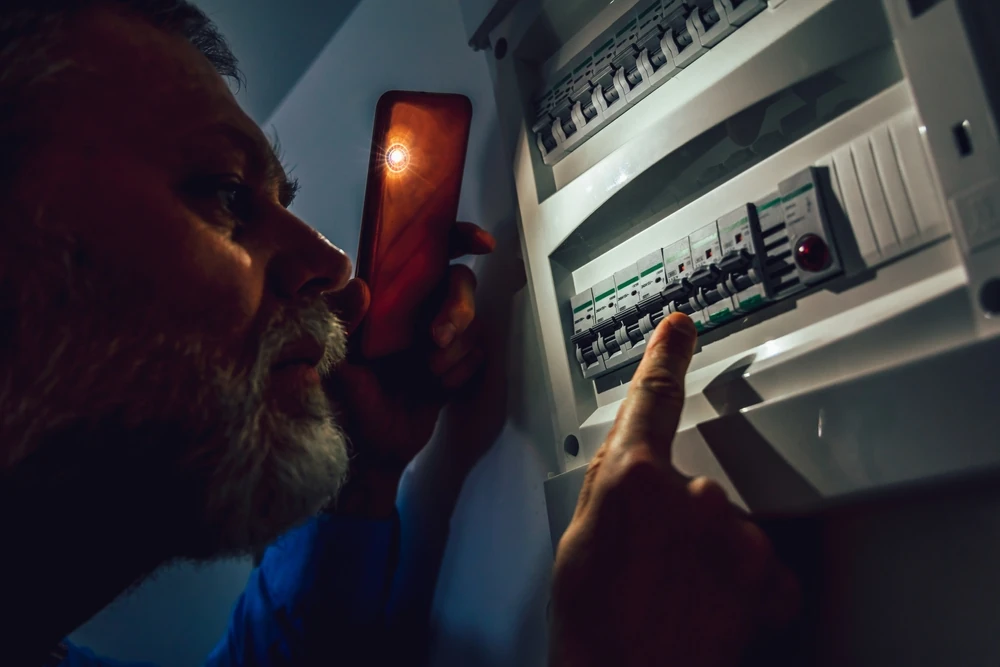
When a switchboard starts buzzing, circuits trip more often, or new electrical work is being planned, it is usually a sign that the existing setup needs closer attention. Many older switchboards were not designed for the way homes and businesses use power today, and that can create problems with safety, reliability, and capacity. Allround Electrical helps property owners understand when a switchboard upgrade or relocation becomes necessary and what that work can involve.
In this article, a Level 2 electrician in Wollongong explains the common reasons a switchboard may need to be upgraded or moved, the warning signs to look for, and how NSW compliance and network requirements can affect the process. You will also learn what usually happens during the work, how long the power may be off, what can influence the overall cost, and how a modern switchboard can better support your property’s current and future electrical needs.
When Is a Switchboard Upgrade or Relocation Required in NSW?
A switchboard upgrade or relocation is usually driven by safety, capacity, accessibility, or compliance rather than appearance. In some cases, it becomes necessary before other electrical work can go ahead, especially where the existing switchboard is outdated, overloaded, or located in a position that no longer suits the installation.
For many properties, the trigger is simple: the switchboard no longer provides the level of protection, capacity, or safe access needed for modern electrical use. Older fuse boards, missing safety switches, deteriorated components, and unsuitable locations are some of the most common reasons electricians recommend further work.
Safety and Compliance Issues
One of the clearest reasons for an upgrade is that the existing switchboard no longer reflects current safety expectations. Common examples include rewirable fuses, ageing ceramic fuse assemblies, missing safety switches, damaged enclosures, or asbestos backing boards in older installations.
These older setups can present a higher risk because they may provide limited fault protection, be difficult to service safely, or fail to support compliant upgrades elsewhere in the property. Once significant electrical work is proposed, these issues often need to be addressed rather than left in place.
Increased Electrical Demand
Modern homes and businesses place far greater demand on their electrical systems than they did decades ago. Air conditioning, electric cooking, EV chargers, pool equipment, solar systems, battery storage, and additional power circuits can all push an older switchboard beyond what it was designed to handle.
When that happens, the issue is not just convenience. An undersized or outdated board can lead to repeated tripping, overheating, poor circuit separation, and limited room for compliant new protection devices. In these situations, an upgrade is often needed before new circuits can be added safely.
Unsuitable Location
A switchboard may also need to be relocated if its position creates access, moisture, or safety concerns. Boards located in cramped cupboards, robe spaces, damp areas, awkward corners, or areas affected by renovation works can become difficult to operate, inspect, or maintain safely.
Relocation may also be necessary when walls are removed, rooms are reconfigured, or the existing board sits in a position exposed to weather or flooding. In practical terms, the goal is to place the switchboard where it can be accessed easily and worked on safely.
Common Reasons Homeowners Need an Upgrade or Relocation
Most switchboard upgrades or relocations happen because the existing board is no longer coping with the property’s needs. The problem may show up as repeated faults and tripping, difficulty adding new appliances, visible deterioration, or a location that no longer suits the way the building is being used.
Recognising these common triggers early helps avoid bigger problems later, particularly where electrical faults are becoming more frequent or renovation work is about to begin.
Adding New Appliances or Circuits
New electrical loads often expose the limitations of an older switchboard. This commonly happens when a property is fitted with:
- ducted or split-system air conditioning
- induction cooktops or electric ovens
- EV chargers
- pool pumps or heaters
- spa equipment
- solar or battery systems
If the board does not have enough circuit capacity, physical space, or appropriate protection, further electrical work may stall until the switchboard is upgraded.
Older Fuse Boards and Missing Safety Switches
Many older switchboards were installed long before current protection expectations became standard. Boards with ceramic fuses, little room for additional circuits, or no safety switches are a common reason for upgrade work.
Warning signs can include burn marks, heat damage, brittle components, or a lack of clearly identified circuit protection. In these cases, a new switchboard improves both safety and usability by introducing modern circuit breakers, better fault protection, and clearer circuit separation.
Renovations and Extensions
Renovations often bring switchboard problems to the surface. A kitchen upgrade, extension, granny flat, or major internal reconfiguration can all require new circuits and updated protection. Sometimes the switchboard itself is in the way of the new layout. In other cases, it simply lacks the size or condition needed to support the proposed work.
Where relocation is required, the new position needs to suit access, mounting, cable routing, and safe operation rather than just convenience.
Repeated Tripping and Physical Deterioration
Frequent tripping is not always caused by a faulty appliance. It can also point to overloaded circuits, deteriorated switchgear, loose connections, water ingress, corrosion, or heat-damaged components inside the board.
Buzzing, crackling, breakers that will not reset properly, and visible rust or damage all justify prompt inspection. Sometimes testing and repairs are enough, but where the board is obsolete or degraded, full replacement is usually the safer long-term solution.
What Is Involved in the Upgrade or Relocation Process?
A switchboard upgrade or relocation is usually a planned process rather than a drawn-out one. Most jobs follow a similar sequence: inspection, design, isolation of supply, installation work, testing, and final certification.
Understanding this process makes it easier to prepare for downtime and avoid surprises on the day.
Inspection and Scope of Work
The first step is a site assessment. The electrician checks the age and condition of the existing board, the number and type of circuits, the condition of the cabling, the likely electrical load, and whether there are any issues such as asbestos backing, poor access, or moisture exposure.
From there, the work can be scoped properly. That includes deciding whether the board can stay where it is, whether consumer mains or metering are involved, and what protection devices and enclosure arrangement will be needed.
Isolation and Installation
On installation day, the supply must be safely isolated before the old switchboard can be removed or altered. Once the area is made safe, the old switchgear is disconnected and the new board is installed.
If the board is being relocated, extra work may be needed to run new cables, alter mounting surfaces, extend or replace wiring, and bring the installation into a practical new position. The amount of physical work depends heavily on the layout of the property and how far the new location is from the old one.
Testing, Labelling, and Final Checks
Once the new board is installed, the electrician tests the circuits, checks the protection devices, confirms correct operation, and labels the circuits clearly. This step is essential because the job is not finished once the board is mounted. The installation also needs to function correctly and safely under load.
Where the work affects supply equipment, metering, or service connections, additional steps may be needed before permanent reconnection can occur.
NSW Compliance, Network Approval, and Level 2 Requirements
Switchboard work is not just a matter of replacing old parts with new ones. Depending on the scope, the project may also involve supply authority requirements, metering rules, and restricted work that cannot be carried out by every electrician. In NSW, service line and metering work is commonly handled by Accredited Service Providers, including Level 2 providers where required.
That is why some upgrades are straightforward internal jobs while others need additional approvals, coordination, and a different type of contractor.
General Compliance Expectations
Electrical work in NSW must comply with the applicable wiring and installation requirements for the work being carried out. In practical terms, that usually means appropriate circuit protection, correct earthing, clear labelling, safe isolation arrangements, and a switchboard enclosure suited to the installation.
Older switchboards with obsolete protection, asbestos backing, exposed live risks, or poor layout often become difficult to leave untouched once broader electrical work is proposed.
When Network Involvement Is Needed
Distributor or metering involvement is commonly required where the project affects incoming supply arrangements, service mains, metering, or the main switchboard in a way that changes capacity or configuration. Ausgrid’s current connection requirements specifically refer to situations where a main switchboard is relocated, reconstructed, or significantly altered to accommodate changed capacity. Metering upgrades or replacements are also retailer-coordinated.
This is why some jobs can be completed as a straightforward board replacement, while others involve applications, inspections, or staged reconnection.
Why a Level 2 Electrician Is Sometimes Required
A standard electrician can carry out many internal installation tasks, but Level 2 accreditation is often required where the work extends to overhead or underground service lines, service disconnection and reconnection, consumer mains, or metering-related components connected to the network side of the installation. Ausgrid states that an ASP Level 2 can install, repair, or maintain the service lines between a customer’s installation and the electricity network.
For property owners, the key point is that not every switchboard project needs Level 2 work, but many do once supply-side equipment or metering arrangements are affected.
How Long Does It Take and How Does It Affect Power?
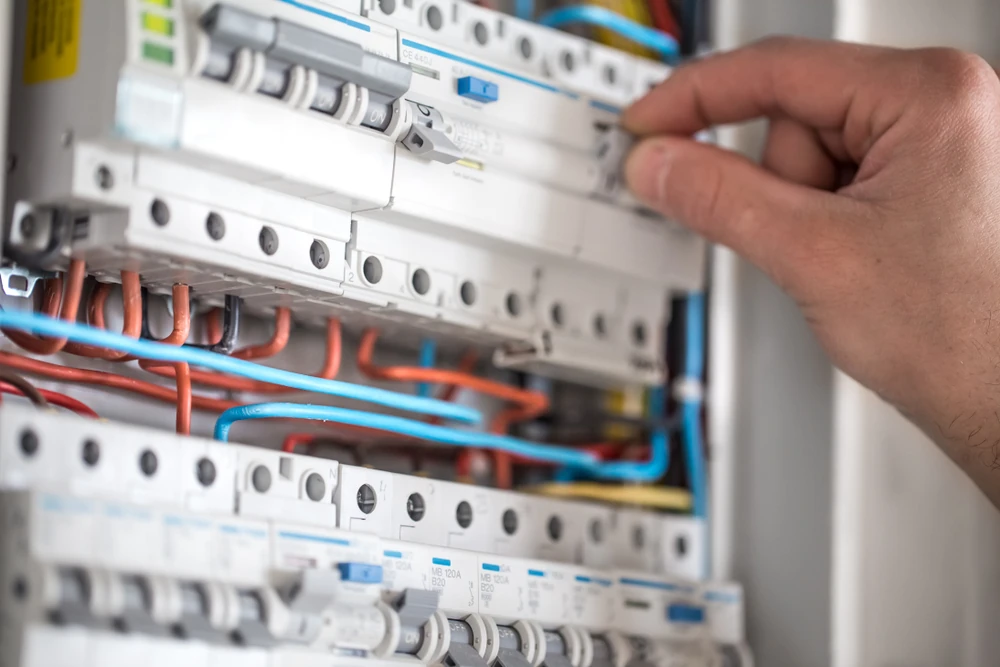
Most residential switchboard upgrades are completed within a day, but there will usually be a planned power outage during the work. The exact duration depends on whether the job is a straightforward replacement or a larger relocation involving new cable routes, supply coordination, or unexpected defects uncovered during installation.
For homes, the outage is often measured in hours rather than days. Commercial work may need more planning, particularly where refrigeration, access systems, alarms, or business operations are involved.
Typical Timeframes
A straightforward residential switchboard replacement is often completed within several hours. A relocation usually takes longer because it involves extra cabling, mounting work, and sometimes changes to the supply arrangement.
If the job also involves metering, consumer mains, asbestos issues, or more extensive rewiring, the overall timeline can extend further even if the board installation itself is relatively quick.
Planning Around the Outage
Before the work starts, it is worth preparing for a loss of power by shutting down electronics properly, keeping fridge and freezer doors closed, and making arrangements for any essential equipment. Businesses may need to schedule the work outside peak trading periods or in coordination with building management.
The more complex the property, the more valuable this planning becomes.
Switchboard Upgrade and Relocation Costs in NSW
Costs vary according to the age and condition of the existing installation, the number of circuits, whether relocation is involved, and whether there are supply-side complications. A straightforward residential upgrade is usually far less expensive than a relocation that requires new cable routes, distributor coordination, metering changes, or significant rectification work.
The main point for property owners is that price is driven by scope, not just by the size of the switchboard. Hidden issues such as asbestos backing, deteriorated wiring, or inadequate earthing can also affect the final figure once the existing board is opened and assessed.
What Usually Affects Cost
The biggest cost factors are usually:
- whether the job is an upgrade only or an upgrade plus relocation
- the condition of the existing wiring and switchboard backing
- the number of circuits and protection devices required
- whether consumer mains, metering, or service equipment are involved
- access difficulty and cable routing
- any remedial building work needed around the new location
Because of these variables, site inspection is usually the only reliable way to price the work accurately.
What a Quote Should Cover
A clear quote should explain what is being installed, whether testing and certification are included, whether patching or making-good is covered, and whether any allowances have been made for issues that cannot be confirmed until work begins.
That makes it easier to compare quotes properly and reduces the chance of confusion once the old board is removed.
A switchboard upgrade or relocation is usually about more than replacing old equipment. It is about making sure the installation is safe, practical, and capable of supporting the way the property is used today. If the existing board is outdated, overloaded, deteriorated, or badly located, leaving it in place can create ongoing faults, limit future electrical work, and increase safety risks.
Getting the installation assessed early gives you a clearer picture of what is required, whether network involvement is likely, and how much disruption to expect. With the right planning and the right contractor, the result is a safer, more reliable electrical system that is better suited to current and future needs.