May 4, 2026
What to Check Before Adding Solar, Battery Storage or an EV Charger

Adding solar panels, battery storage or an EV charger is one of the most significant electrical upgrades a property can undergo. It directly affects safety, system performance, energy costs and long-term asset value. Working with a qualified level 2 electrician in Wollongong ensures the existing electrical infrastructure is properly assessed, including how the system is configured, what it can safely support and where upgrades are required before integrating new technology.
Allround Electrical outlines the essential pre-installation checks that determine whether a system will operate efficiently and comply with Australian standards and network requirements. It explains how switchboard capacity, wiring condition and supply limitations influence system design, how load calculations and protection devices are evaluated and why future expansion must be considered early. A structured assessment reduces risk, prevents costly rework and supports a smoother installation process from planning through to commissioning.
What to Check in Your Existing Electrical System
Before adding solar panels, a home battery or an EV charger, the existing electrical system must be able to handle the extra load safely and in compliance with current standards. Identifying limitations early avoids unexpected upgrade costs, overloaded circuits and safety risks once the new equipment is installed.
A methodical check looks at capacity, condition and protection. In many homes, the switchboard and main supply were designed long before high-demand appliances like EV chargers or large inverters were common. Verifying these key elements upfront is essential.
Switchboard Capacity and Condition
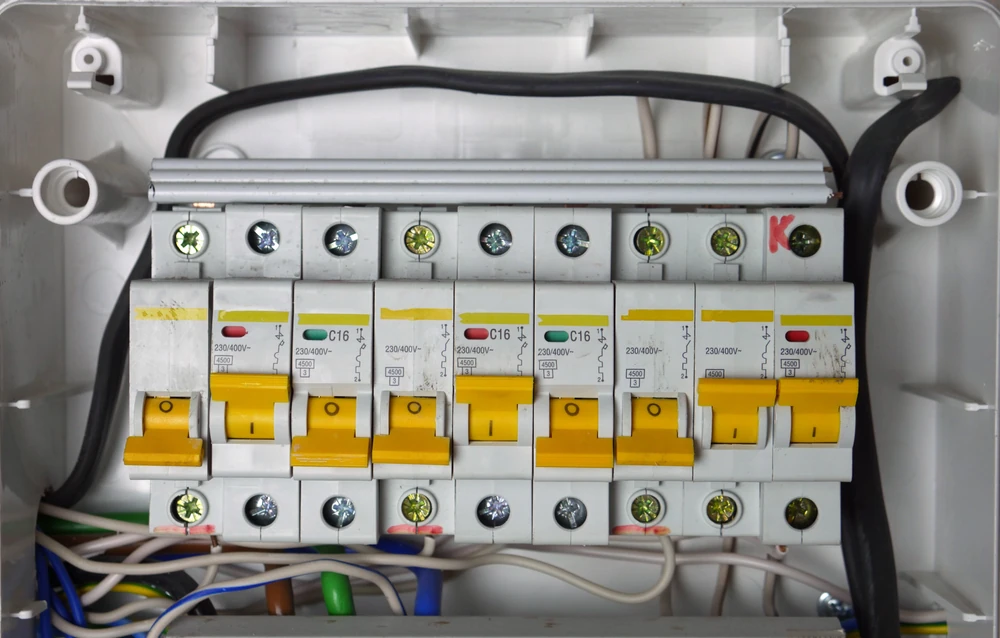
The switchboard is the starting point. It must have enough physical space and electrical capacity to accommodate new circuits for solar, batteries or an EV charger.
Older boards often use ceramic fuses or mixed protective devices, which may not meet current requirements for modern installations. Look for:
- Whether the board uses modern circuit breakers and RCDs
- Clear labelling of existing circuits
- Evidence of overheating, such as discolouration around breakers or busbars
If the board is crowded with no spare ways for new breakers, a switchboard upgrade is usually required before adding large new loads or generation sources.
Main Supply Size and Available Load
The main service fuse and consumer mains determine how much load the property can safely handle. Many existing homes have a 40 A or 63 A single-phase supply, which can become marginal once an EV charger or large electric hot water system is added. Check the following:
- Main fuse rating or main switch rating in the switchboard
- Single-phase versus three-phase supply
- Existing high-demand appliances such as electric ovens, ducted air conditioning and electric hot water
Where the calculated maximum demand is already close to the main supply rating, an upgrade to a higher capacity or three-phase supply may be necessary before installing a high-power EV charger or a larger inverter system.
Earthing, Protection and Wiring Condition
The earthing system should be inspected for secure earth connections, appropriately sized earth conductors and an accessible earth stake where applicable. Inadequate earthing reduces the effectiveness of safety devices and can cause nuisance tripping or hazardous touch voltages.
RCDs must protect the relevant circuits for new equipment. Older installations often have limited or no RCD coverage, which will need to be rectified. Faulty or slow RCDs, mixed brands or ad hoc additions are signs that the protective devices should be rationalised and updated.
General wiring condition is also important. Brittle insulation, cotton sheath cables, joints outside junction boxes or signs of rodent damage indicate that parts of the installation may need rectification before additional load is connected. Ensuring sound cabling and terminations helps avoid overheating when currents increase with new technology additions.
How Solar, Batteries and EV Chargers Change Load and Compatibility
Adding solar, battery storage or an EV charger does not simply “plug in” to an existing home. Each technology changes how much power is drawn or supplied, when it flows and how the electrical system must be protected. Before installation, it is critical to understand how these new loads and sources interact with the switchboard, wiring, protection devices and the grid connection.
Correct load assessment and compatibility checks help avoid nuisance tripping, overheated cables, poor performance and, in the worst cases, fire or equipment damage. They also determine whether the current supply and switchboard can be upgraded cost‑effectively or if a staged approach is needed.
How Solar Changes Load on the Property
Solar panels reduce daytime import from the grid, but they increase the electrical complexity of the installation. A solar inverter becomes an additional source of electricity feeding into the switchboard. This means fault current and voltage rise must be checked against network limits and standards.
Solar can also increase instantaneous load on internal wiring when the system backfeeds a heavily loaded circuit. For example, air conditioning and pool pumps running at the same time as strong solar generation can push certain circuits close to cable or breaker limits if they were marginal to begin with.
The inverter usually requires a dedicated circuit and breaker sized to its maximum AC output. Existing switchboards often need rearrangement or upgrades to RCDs and main switches to safely integrate the solar supply and to ensure full isolation when required.
How Batteries Change Load and Supply Patterns
Battery storage turns a solar system from a simple generation into a more dynamic source and load. A battery inverter or hybrid inverter can charge at high power, then discharge at similar levels at night. This creates new peak loads that may not align with traditional household usage patterns.
A 10 kW battery inverter, for example, can draw up to 10 kW when charging quickly from solar or the grid. At night, it can also supply up to 10 kW into the home. The switchboard, main supply and metre must be checked to ensure they are rated for this extra bidirectional power flow.
If backup power is required during outages, a separate backup circuit or an essential loads sub‑board is usually needed. Compatibility between the battery system and the existing circuits is critical so that only selected loads are powered during an outage and the system can safely isolate from the grid as required by regulations.
How EV Chargers Impact Maximum Demand
An EV charger is typically the single largest new load in a home. A common single-phase 7 kW charger draws about 32 A continuously, which can double the evening load in many households. Larger three-phase chargers increase that impact further.
Before installation, the maximum demand must be recalculated with the EV charger included. Many properties with older switchboards or smaller supply cables will exceed the safe or approved limit if a high-powered charger is added without adjustments. Options often include:
- Reducing charger capacity or using load‑managed charging
- Upgrading the main supply and switchboard
- Shifting other large loads, such as hot water, onto different tariffs or timers
Where solar and batteries are already installed, EV charging can sometimes be integrated with these systems to prioritise solar energy or limit grid draw. That integration depends on charger compatibility with the inverter or energy management system and on adequate capacity in all cabling and protection devices between them.
When Switchboard, Wiring or Circuit Upgrades May Be Needed
Solar systems, battery storage and EV chargers place new demands on an existing electrical installation. Before any of this equipment is added, it is critical to check whether the switchboard, wiring and circuits can safely handle the extra load. Ignoring these limits can lead to nuisance tripping, damaged equipment or, in the worst case, electrical fire.
In many homes, especially those more than 15 to 20 years old, the original electrical design did not anticipate high continuous loads like EV charging or the backfeed from a solar inverter. As a result, upgrades are frequently required before new technology can be connected compliantly and safely.
Signs the Switchboard Needs Upgrading
The switchboard is the control and protection point for the property. It often needs upgrading before modern equipment can be installed. Common indicators include:
- Rewirable ceramic fuses or mixed old and new protection devices
- No main switch for solar or no room for additional breakers
- No safety switches (RCDs) protecting power and lighting circuits
- Visible scorching corrosion or brittle wiring insulation inside the board
Older boards often lack sufficient capacity for extra circuits needed for an EV charger or a larger solar system. Solar and batteries also require correctly rated circuit breakers, isolators and often a dedicated section in the board to comply with current standards. Inadequate boards may not provide correct fault protection, leading to increased shock and fire risk.
When Circuit Capacity Becomes a Problem
Each existing circuit is rated to carry only a certain amount of current. New loads may overload these circuits even if there seems to be a spare outlet. Common examples include:
- Plugging an EV charger into a general power circuit that already runs appliances
- Adding a high-output electric vehicle charger to a home with a low main supply rating
- Installing a large solar inverter on a supply that is already close to its maximum demand
Signs of overloaded or inadequate circuits include regular tripping of breakers, flickering lights, warm or discoloured outlets and buzzing from the switchboard. New dedicated circuits or an upgrade of the supply and main switch capacity may be required to handle the additional load safely and within network limits.
Wiring Age and Condition
Even when the switchboard appears modern, the wiring within the home can be a limiting factor. Older cable types, such as VIR rubber or early PVC, often have degraded insulation and are not suitable for higher sustained currents. Joints may be loose or corroded and earthing may be missing or inadequate.
Before connecting solar battery storage or an EV charger, a licensed electrician should assess:
- Cable size and route from the switchboard to the proposed equipment location
- Condition of insulation, especially in roof spaces and wall cavities
- Integrity of earthing and bonding throughout the installation
If wiring is undersized or deteriorated, new cabling may be required for the circuit serving the inverter or charger to ensure safety and compliance.
Safety and Compliance Before Installation
Before any solar system battery storage or EV charger is added to a property, the first priority is meeting strict safety and compliance standards. This protects the home or business, reduces fire and shock risks and ensures the new equipment performs as designed. It also avoids problems with insurers' networks and future property sales.
Safety and compliance are not just box‑ticking exercises. They determine where equipment can be installed, how it must be wired and what protections must be in place at the switchboard and on site. Ignoring these requirements can lead to overloaded circuits, equipment damage and, in serious cases, electrical accidents.
Electrical Standards and Certification
All new solar batteries and EV charging installations must comply with current Australian standards and local network rules. Equipment such as inverters, batteries and chargers must be Clean Energy Council (CEC)-approved and installed according to manufacturer specifications.
A compliant installation will always be supported by the correct documentation. At completion, the property owner should receive:
- A Certificate of Electrical Safety or equivalent state compliance certificate
- Product datasheets and warranties
- Commissioning sheets and test results for solar and battery systems
These documents are often requested by energy retailers for feed‑in tariffs, by insurers after an incident and by prospective buyers or building inspectors during a sale.
Switchboard Condition and Protection Devices
Existing switchboards are often not ready for the extra demand of a solar system battery or EV charger. Before installation, the condition and capacity of the switchboard must be checked, along with the presence of modern safety devices.
Old ceramic fuses, undersized busbars or crowded enclosures may need replacement with a compliant switchboard that has space for new circuit breakers, RCDs and solar or EV charger protections. EV chargers in particular can draw high continuous current, so the wiring size, breaker rating and protective devices must be correctly matched to avoid overheating and nuisance tripping.
For battery systems and solar arrays, additional DC isolators, surge protection devices and labelling are required. Clear permanent labels at the switchboard metre box and main switch indicate the presence of onsite generation and storage, which is critical for emergency services and future electrical work.
Site Location, Fire and Access Requirements
Where equipment is installed is as important as how it is wired. Batteries have strict rules on separation from habitable rooms, ignition sources and exits to reduce fire and smoke risk. They must be fixed to suitable surfaces with adequate ventilation and clearances that match Australian standards and manufacturer instructions.
Solar inverters and isolators should be located out of direct harsh weather, where practical, while remaining accessible for maintenance and emergency shutdown. EV chargers must be mounted at a safe height, protected from vehicle impact and in a position that prevents the charging lead from creating a trip hazard.
Access for firefighters and service technicians is a key compliance consideration. A clear working space in front of switchboards, inverters and batteries is required, so these areas must not be boxed in or obstructed by storage shelving or building alterations after installation.
Upgrading a property with solar panels, battery storage or EV charging infrastructure is not simply a product selection decision but a comprehensive electrical system upgrade. It involves evaluating supply capacity, switchboard condition, wiring integrity, load demands and compliance requirements to ensure the installation performs safely and reliably over time. A thorough pre-installation assessment identifies limitations early, clarifies upgrade requirements and aligns system design with current usage and future demand. This approach minimises the risk of overloads, compliance issues and unexpected costs while supporting long-term performance and safety. Careful planning, accurate technical evaluation and adherence to standards remain the foundation of a successful and future-ready electrical upgrade.