August 23, 2026
Why Is My Solar System Producing Less Power Than Expected?
A solar system that suddenly produces less power than expected can be frustrating, especially when electricity bills continue to rise. While reduced output may indicate an electrical fault, it is not always a sign that the system has failed. Weather, seasonal changes, shading, dirt build-up, ageing equipment, monitoring issues and changing household electricity use can all affect solar generation.
A level 2 electrician in Wollongong can diagnose and resolve solar performance issues through professional inspection, testing and repairs. By identifying whether reduced generation is caused by normal operating conditions, faulty equipment or electrical problems, homeowners can avoid unnecessary repairs and restore their system's efficiency.
Allround Electrical explains the most common reasons a solar system may produce less power than expected, how to determine whether the drop in generation is normal or a sign of a fault, the safe checks homeowners can perform themselves, and when professional testing is recommended to restore long-term performance.
Is Your Solar System Actually Underperforming?
Not every drop in solar output indicates a fault. Weather, seasonal changes, shading and household electricity use can all affect how much energy a solar system generates from day to day. Before assuming there is a problem, compare your system's recent performance with what would normally be expected for its size, location and the time of year.
Rather than focusing on a single low-production day, review at least a week of generation data and compare it with previous results from the same season. Winter production is naturally lower than summer, while prolonged cloud cover or smoke can temporarily reduce output even when the system is operating correctly.
It's also important to review the right data. The inverter's generation figures are more reliable than electricity bills or monitoring apps alone, as some platforms display only the electricity exported to the grid rather than the total amount generated. If most of the solar energy is being used within the home, exports may appear low even though the system is performing as expected.
If your system's generation appears consistent with previous years but your electricity bills have increased, the next step is to determine whether changes in household energy use are responsible rather than a fault with the solar system.
Could Your Electricity Usage Have Changed?
A higher electricity bill does not necessarily mean your solar system is producing less electricity. Many times, the system is generating the expected amount of power, but household electricity use has increased, leaving less solar energy available to offset grid consumption.
Compare your recent solar generation with your household electricity use rather than looking at either figure in isolation. If solar production is consistent with previous years for the same season but your bills have increased, changing energy habits are likely contributing to the higher costs. Reviewing how and when electricity is used around the home can also help reduce energy costs and identify unnecessary consumption.
Common reasons for increased electricity use include:
- Installing new high-power appliances, such as air conditioners, electric vehicle chargers or pool pumps.
- Using more heating in winter or cooling in summer.
- More people spending time at home, like working remotely or during school holidays.
- Running appliances during the day, increasing self-consumption and reducing the amount of solar energy exported to the grid.
Remember that lower feed-in tariff credits do not necessarily mean your system is generating less electricity. If more of the solar energy is being used directly in your home, exports will naturally decrease while the system may still be operating as expected.
If your electricity use and monitoring data suggest the system is producing less power, environmental factors such as weather, seasonal conditions and shading are the next areas to consider before assuming there is an electrical fault.
Weather, Seasonal Variation and New Shading
.webp)
Weather, seasonal changes and shading are among the most common reasons solar systems produce less electricity, even when there is nothing wrong with the equipment. Before assuming there is a fault, consider whether environmental conditions could be affecting your system's output.
Common factors include:
- Cloud cover and storms: Solar panels continue generating electricity on cloudy days, but heavy cloud, rain and smoke can significantly reduce output. Short-term fluctuations caused by changing weather are normal and usually temporary.
- Seasonal changes: Solar systems naturally produce less electricity during winter because the days are shorter and the sun is lower in the sky. Compare performance with the same season in previous years rather than comparing winter with summer.
- High temperatures: Although solar panels rely on sunlight, excessive heat can reduce their efficiency, so output may be slightly lower on very hot days than on cooler, sunny days.
- New shading: Growing trees, nearby buildings or roof fixtures can block sunlight and reduce energy production. Even partial shading can affect the output of an entire string of panels, depending on the system design.
If your monitoring data shows output dropping at roughly the same time each day, new shading may be the cause. A visual inspection from the ground can often identify trees or other obstructions casting shadows across the panels. If environmental factors do not explain the decline, the next step is to inspect the condition of the panels themselves.
Dirt, Physical Damage and Panel Degradation
Dirt, physical damage and normal panel ageing can all reduce a solar system's performance. While some issues are temporary and easily addressed, others develop over many years. Understanding the difference can help determine whether the system simply needs maintenance or requires professional repairs.
Dirt and Debris
Dust, bird droppings, leaves, pollen, sea salt and other contaminants can block sunlight from reaching the solar cells, reducing energy production. If output drops after a long dry spell or nearby construction, the panels may need cleaning. Often, cleaning is only necessary when there is visible buildup or monitoring data indicates an unexplained decline in performance. Always use safe, non-abrasive cleaning methods to avoid damaging the panels.
Physical Damage
Cracked glass, damaged frames, hot spots and moisture ingress can reduce solar panel performance and create electrical safety risks. Damage may result from hail, falling branches, severe weather or accidental impact. If you notice any visible damage, arrange for a licensed electrician to inspect the affected panels rather than attempting repairs yourself.
Normal Panel Degradation
All solar panels can lose efficiency as they age, so a small reduction in output is expected. However, performance should decline gradually rather than suddenly. If generation falls noticeably over a short period or drops well below the manufacturer's expected performance, further testing may be needed to determine whether repairs or panel replacement are required.
If the panels appear to be in good condition but output still seems lower than expected, the issue may lie with the system's monitoring equipment or the way performance data is being interpreted.
Monitoring System Issues and Data Errors
Solar monitoring systems are useful for tracking performance, but the information they provide is not always a complete picture of system operation. Regular solar monitoring can help identify unusual generation patterns, faults and changes in household electricity use. Communication problems, software issues or incorrect data interpretation can make it appear that a solar system is producing less electricity when the equipment itself is working normally.
Before assuming there is a fault, compare the information from your monitoring app with the inverter's own readings. This helps determine whether the issue is a genuine drop in solar generation or simply inaccurate or incomplete data.
Monitoring App Communication Problems
Most solar monitoring systems rely on an internet or Wi-Fi connection to send performance data to an app or online portal. If that connection is interrupted, the app may stop updating, display incomplete information or show little to no generation even when the system is operating correctly.
These issues commonly occur after changing internet providers, replacing a router, updating Wi-Fi settings or experiencing a power outage. If the app suddenly stops showing current data, check the inverter display first. If the inverter shows normal operation, the problem is likely with the monitoring connection rather than the solar system itself.
Incorrect Data Interpretation
Monitoring platforms do not always display the same information. Some show total solar generation, while others focus on exported electricity or household energy usage. As a result, lower export figures do not necessarily mean the system is producing less power.
Also, know the difference between power output (kW) and total energy generation (kWh). Confusing these measurements can lead to incorrect conclusions about whether the system is performing properly.
If monitoring data and inverter readings both show consistently reduced output under similar conditions, the issue is more likely to be related to the solar system itself and may require professional testing.
Inverter, Isolator and Electrical Connection Faults
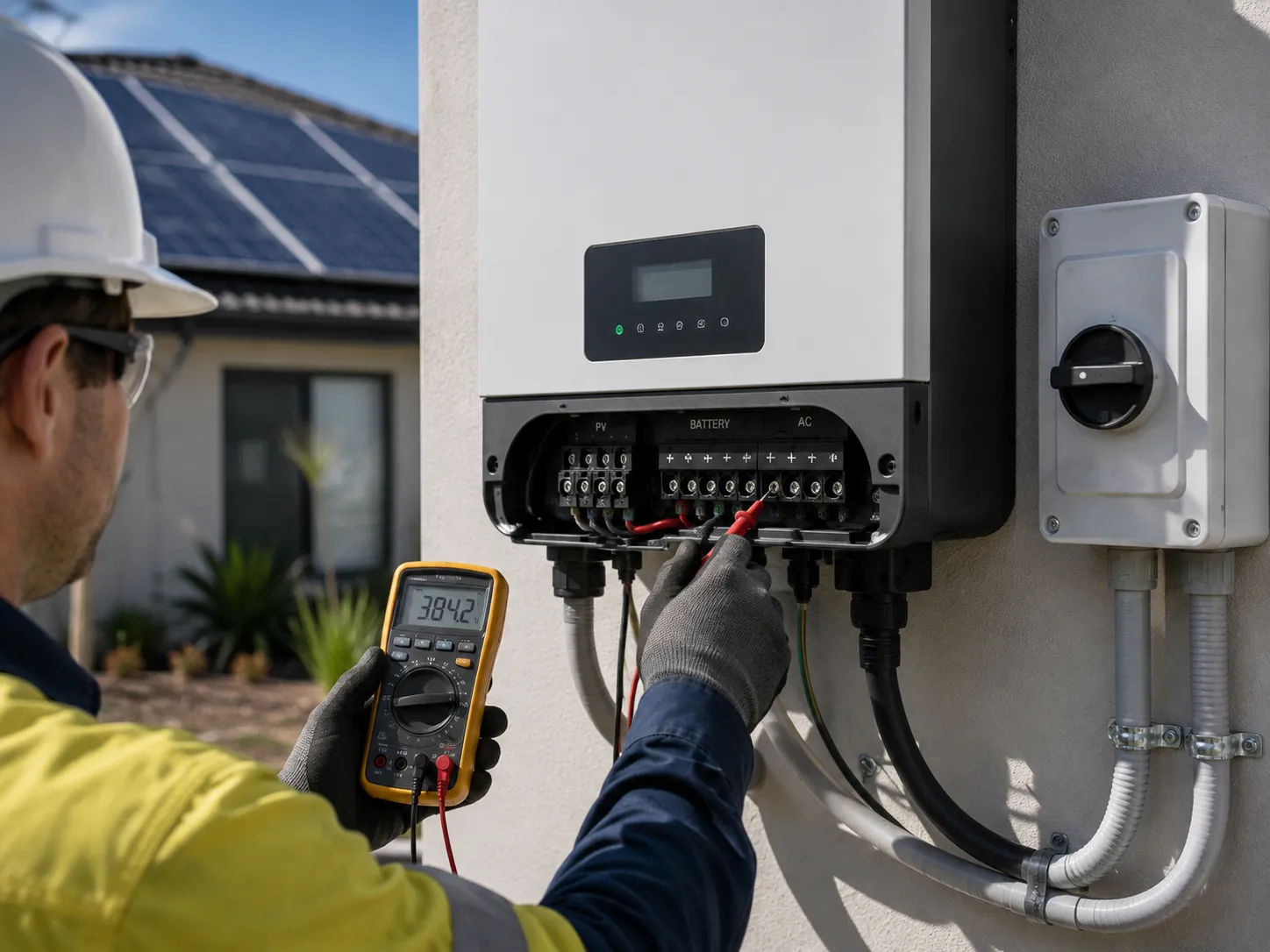
Problems with the inverter, isolators or electrical connections can reduce solar output even when the panels themselves are working correctly. These components are responsible for converting and transferring electricity from the panels to your home, so faults can affect overall performance, reliability and safety. The condition and capacity of the home's electrical system can also influence how safely and reliably solar equipment operates.
Beware of these electrical issues:
- Inverter faults: The inverter may reduce output or stop operating correctly due to internal faults, overheating, warning messages or repeated shutdowns. Error codes, unusual readings or significantly lower generation compared with previous data should be inspected by a qualified technician.
- Damaged isolators: DC and AC isolators allow the solar system to be safely disconnected, but damaged or deteriorated switches can interrupt electricity flow. Cracks, moisture, discolouration or burn marks are signs that professional assessment is required.
- Wiring and connection problems: Loose, damaged or corroded connections can reduce power output, cause intermittent operation or create electrical safety risks. These issues often require specialised testing to locate and repair.
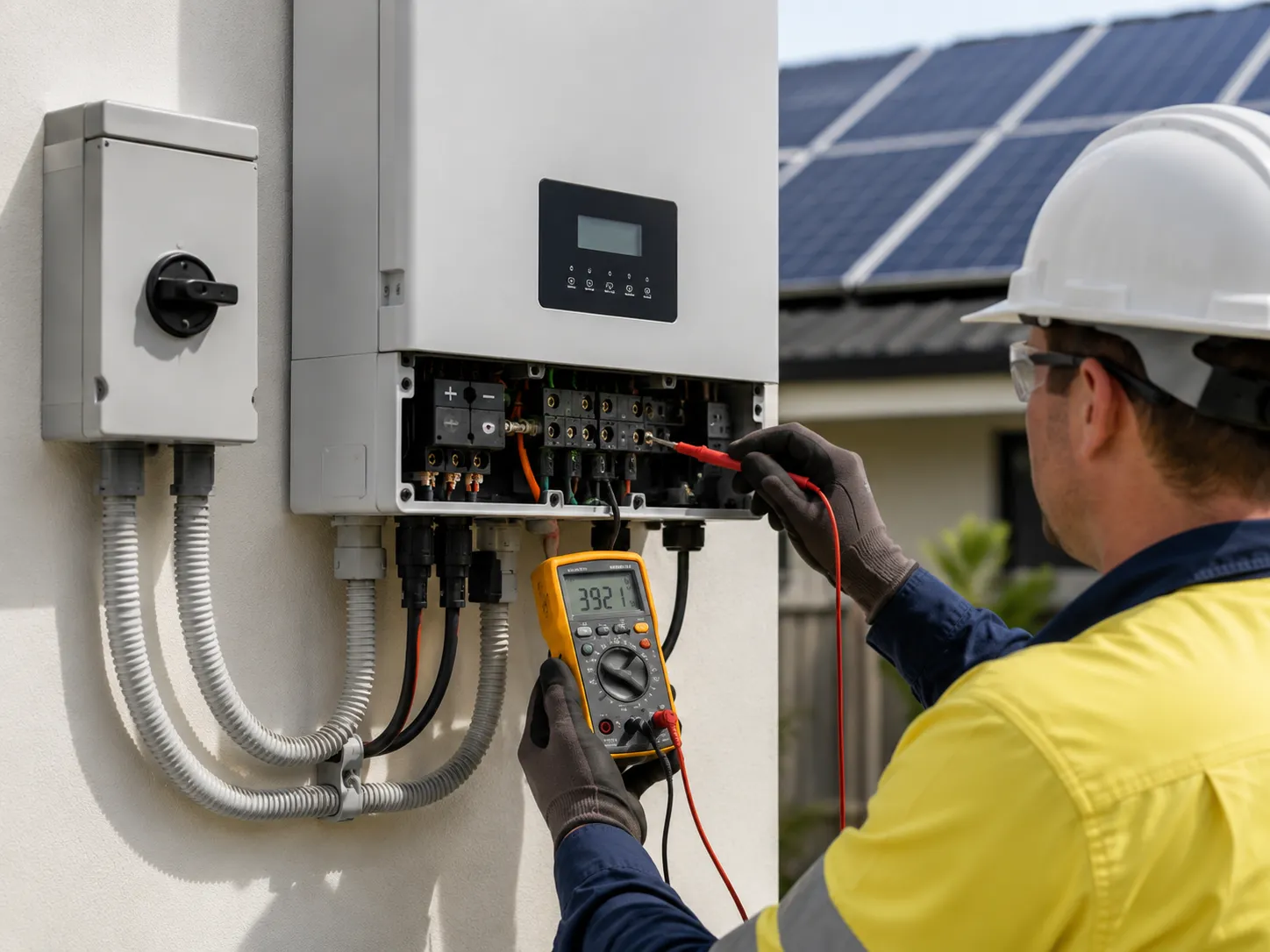
Homeowners can safely check the inverter display for warning messages and inspect accessible components for obvious damage. However, electrical testing, repairs and internal inspections should always be carried out by a qualified electrician.
Addressing electrical faults early can restore solar performance, reduce energy losses and help prevent more serious system problems.
Safe Checks You Can Make Yourself
Before arranging a professional inspection, there are several simple checks you can safely complete to identify obvious causes of reduced solar output. These steps can help rule out issues such as system shutdowns, shading or visible damage without handling electrical components.
- Check the inverter status. During daylight hours, the inverter should be operating normally without warning lights or error messages. If the display is blank, shows a fault code or reports little to no generation on a sunny day, record the details and arrange professional assistance.
- Confirm accessible solar switches are on. Check that visible solar isolators and the solar main switch are in the ON position. If a switch has tripped, reset it only once if it appears safe to do so. If it trips again, do not continue resetting it, as this may indicate an underlying fault.
- Look for new shading. Check whether trees, nearby buildings, roof fixtures or other objects are creating shadows across the panels during the day. New shading can reduce output even if the system was previously performing well.
- Inspect panels for dirt or debris. From the ground or another safe location, look for heavy dust, bird droppings, leaves or other buildup that may be blocking sunlight. Avoid climbing onto the roof or cleaning panels in unsafe conditions.
- Check for visible damage. Look for cracked glass, damaged frames, loose cables or other obvious signs of damage. Do not touch damaged components or attempt repairs yourself, as solar equipment can remain electrically active during daylight.
If these checks do not identify the cause of reduced output, or the system continues producing less power than expected, a qualified electrician can carry out further testing to diagnose the issue safely.
When to Arrange a Professional Solar Inspection
While some reductions in solar output can be explained by weather, shading, household energy use or normal ageing, ongoing or unexplained performance issues should be assessed. A solar inspection can identify faults that are not visible through basic checks and help prevent further energy losses, safety risks or costly repairs.
Sudden or Unexplained Output Drops
A professional inspection is recommended when solar generation drops without an obvious cause, especially when performance remains lower under similar weather conditions. Frequent inverter shutdowns, persistent error messages or unusual changes in monitoring data may indicate a fault with the system's electrical components.
After Storms, Roof Work or Physical Damage
Severe weather, hail, falling branches and roof work can affect solar panels, wiring, mounting systems and connections, even when damage is not immediately visible. An inspection after these events can confirm that the system remains safe and that hidden damage is not affecting performance.
When Basic Checks Do Not Resolve the Issue
If checking the inverter, confirming switches, reducing obvious shading or reviewing monitoring data does not restore expected performance, professional testing may be required. Solar technicians can use tools such as inverter diagnostics, electrical testing and thermal imaging to identify faults that cannot be detected through visual inspection alone.
Regular inspections are also beneficial as systems age, helping maintain performance, verify safety and identify developing issues before they lead to major failures.
Why Regular Solar Maintenance Improves Performance
Although solar systems require relatively little solar maintenance, regular servicing helps keep them operating safely and efficiently throughout their lifespan. Eventually, dirt buildup, ageing components, electrical connections and environmental exposure can reduce energy production. Routine maintenance helps identify these issues early before they lead to larger performance problems or costly repairs.
Regular maintenance provides several long-term benefits:
- Early fault detection: Professional inspections can identify developing issues like damaged panels, deteriorating connections, inverter faults or water ingress before they cause energy losses or safety concerns.
- Maintained system efficiency: Cleaning heavily soiled panels, addressing new sources of shading and checking key components help the system continue producing energy as expected while minimising the effects of normal ageing.
- Improved safety and reliability: Routine servicing helps identify damaged or worn components, reduce the risk of unexpected breakdowns and support warranty claims where applicable.
Regular inspections are particularly valuable as solar systems get older or when they are exposed to harsh conditions such as coastal environments, heavy tree cover or frequent storms.
A solar system producing less power than expected does not always mean there is a major fault. Weather conditions, seasonal changes, shading, increased household electricity use, panel condition, monitoring issues and electrical components can all influence solar performance.
By comparing generation data, checking for obvious issues and understanding what is considered normal, homeowners can determine whether a drop in output is temporary or requires further investigation. When problems continue despite basic checks, professional testing can identify the underlying cause and prevent further energy losses.
Allround Electrical provides expert solar inspections, fault finding and repairs to help homeowners restore system performance and maintain reliable energy production. Addressing issues early helps protect savings, extend the life of the solar system and ensure it continues operating safely and efficiently.