September 18, 2026
Single-Phase vs Three-Phase Power: What’s the Difference?
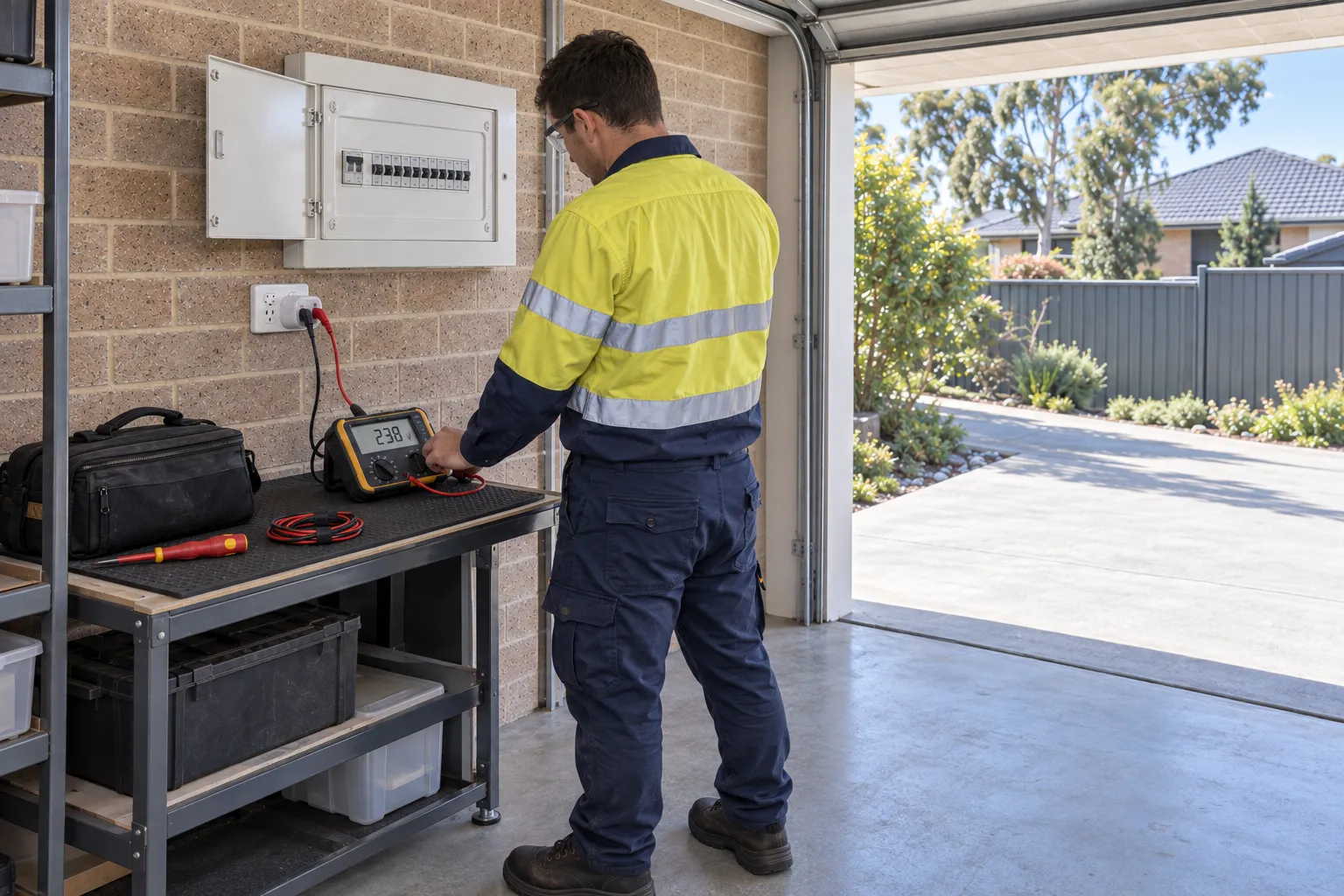
Choosing between single-phase and three-phase power can affect the equipment a property can support, how electrical loads are distributed and whether the supply can handle future demand. The right setup can improve reliability, while an undersized supply may lead to circuit overloads, nuisance tripping and costly upgrades.
Allround Electrical helps property owners assess their electrical requirements, including when they need advice from a Level 2 electrician in Wollongong for changes to an existing supply. Single-phase power suits standard homes and smaller businesses, while three-phase provides greater capacity for high-demand equipment, larger motors and commercial systems.
The differences also extend to equipment compatibility, installation requirements, connection costs and future expansion. Comparing these factors can help determine whether an existing single-phase supply is sufficient or whether three-phase power would provide a more suitable long-term solution.
How Single-Phase and Three-Phase Power Differ
Single-phase and three-phase power differ mainly in how electrical power is supplied and distributed to a property. This affects the amount of power available, how electrical loads are handled and what types of equipment can be supported.
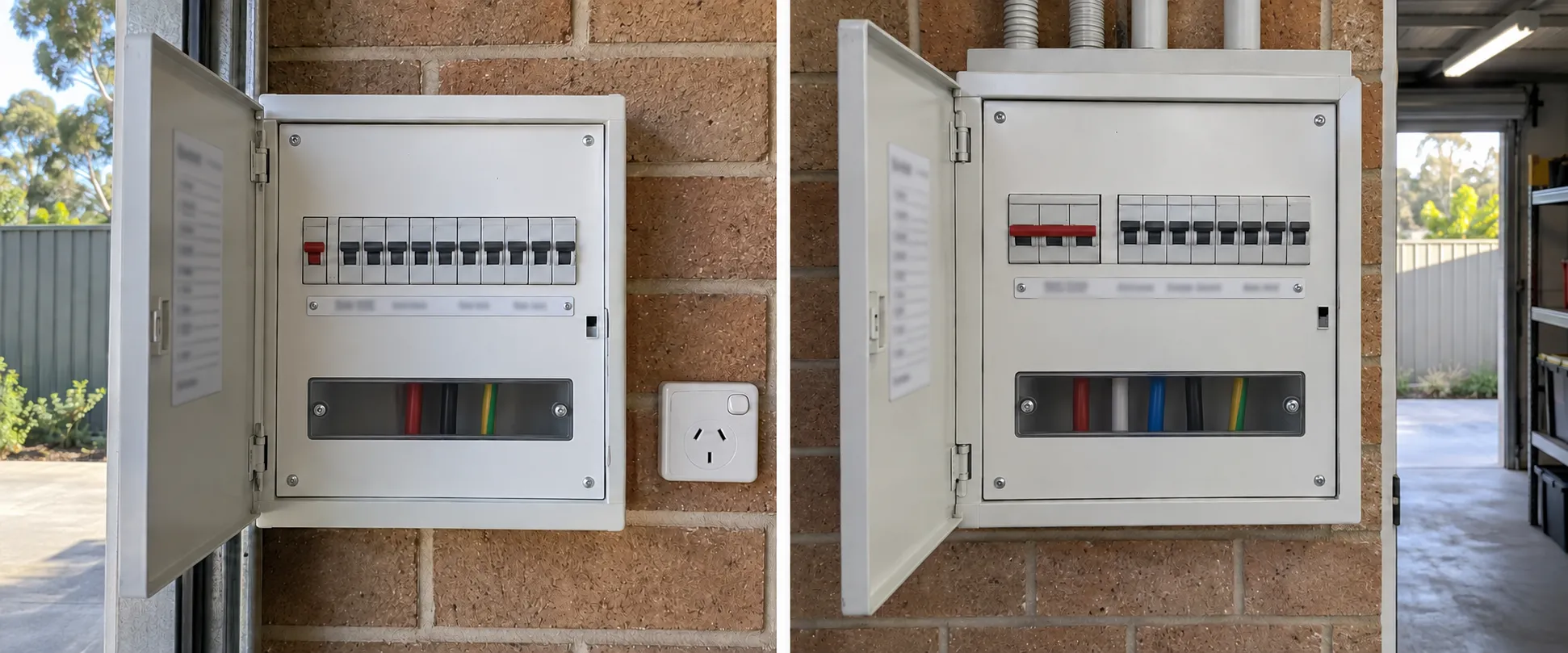
The main differences relate to the number of phases, power capacity, equipment performance and installation requirements.
Number of Phases
Single-phase power uses one alternating current waveform to supply electricity to a property. In a typical Australian installation, this involves an active conductor and a neutral.
Three-phase power uses three alternating current waveforms offset from one another by 120 degrees. This provides a more continuous supply of power, with three active conductors and a neutral typically used in the connection.
Power Capacity
Single-phase power provides sufficient capacity for everyday household appliances, lighting, power points and smaller air conditioning systems.
Three-phase power provides greater overall capacity by distributing electrical loads across three phases. This makes it more suitable for high-demand equipment such as large motors, commercial HVAC systems, pumps, compressors, welders and commercial cooking equipment.
Equipment Performance
Most standard household appliances are designed for single-phase power, while larger machinery and motors are often designed specifically for three-phase operation.
Three-phase motors can provide smoother and more consistent torque during startup and continuous operation. This makes them well suited to machinery that operates under heavy loads or for extended periods.
Installation Requirements
Single-phase systems are simpler to install because they use fewer supply conductors and require a less complex switchboard arrangement. This can make them a practical option where electrical demand is relatively modest.
Three-phase installations require additional conductors, suitable switchboard equipment and careful distribution of circuits across the three phases. The greater installation complexity can increase upfront costs but provides additional capacity where electrical demand is higher.
Where Single-Phase Power Is Commonly Used
Single-phase power is commonly used for properties with low to moderate electrical demand. It provides sufficient capacity for most everyday appliances, lighting, power points and smaller electrical systems, making it the standard choice for many homes and smaller businesses.
Homes and Small Commercial Properties
Most standard homes, apartments and smaller commercial premises use single-phase power. Common applications include:
- Lighting and power points
- Refrigerators and freezers
- Washing machines and dryers
- Computers, televisions and office equipment
- Microwaves, kettles and other kitchen appliances
- Split system air conditioners
- Small commercial equipment such as coffee machines and under-bench dishwashers
Single-phase supply is also common in rural homes, sheds and outbuildings without machinery or high electrical demand. Small pumps, refrigeration equipment and basic workshop tools can operate effectively on single-phase power.
For most properties, single-phase remains suitable while electrical demand stays within the available supply capacity. Larger properties with extensive air conditioning, multiple high-demand appliances or machinery may require greater capacity.
When Three-Phase Power May Be Needed
Three-phase power may be needed when a property's electrical demand exceeds what a standard single-phase supply can support. It is common in commercial and industrial settings but can also suit larger homes with workshops, extensive air conditioning or other high-demand systems.
The need for three-phase power depends on the amount of electricity required, the type of equipment being operated and whether several high-demand loads need to run at the same time.
High-Demand Equipment and Machinery
Three-phase power is often used for equipment that requires substantial electrical capacity or involves large motors. Here are some examples:
- Commercial kitchens with multiple ovens, induction cooktops and dishwashers
- Workshops with large compressors, welders, lathes and industrial saws
- Large pumps, ventilation systems and refrigeration equipment
- Commercial air conditioning and HVAC systems
- Conveyors, hoists and other motor-driven machinery
Three-phase motors can provide smooth, consistent operation, making them well suited to equipment that starts under load or operates for extended periods. Distributing demand across three phases can also help manage the electrical load placed on the property.
Future Expansion and Increasing Electrical Demand
Three-phase power may also become relevant when a property is expected to add substantial electrical loads. This can include multiple EV chargers, larger air conditioning systems, workshop equipment or a change from residential to commercial use.
Completing the necessary checks before adding an EV charger can identify whether the existing supply, switchboard and consumer mains have sufficient capacity.
Planning for increased demand during a renovation, new build or major electrical upgrade can help avoid capacity limitations and repeated electrical modifications later.
What Electrical Equipment Uses Three-Phase Power?
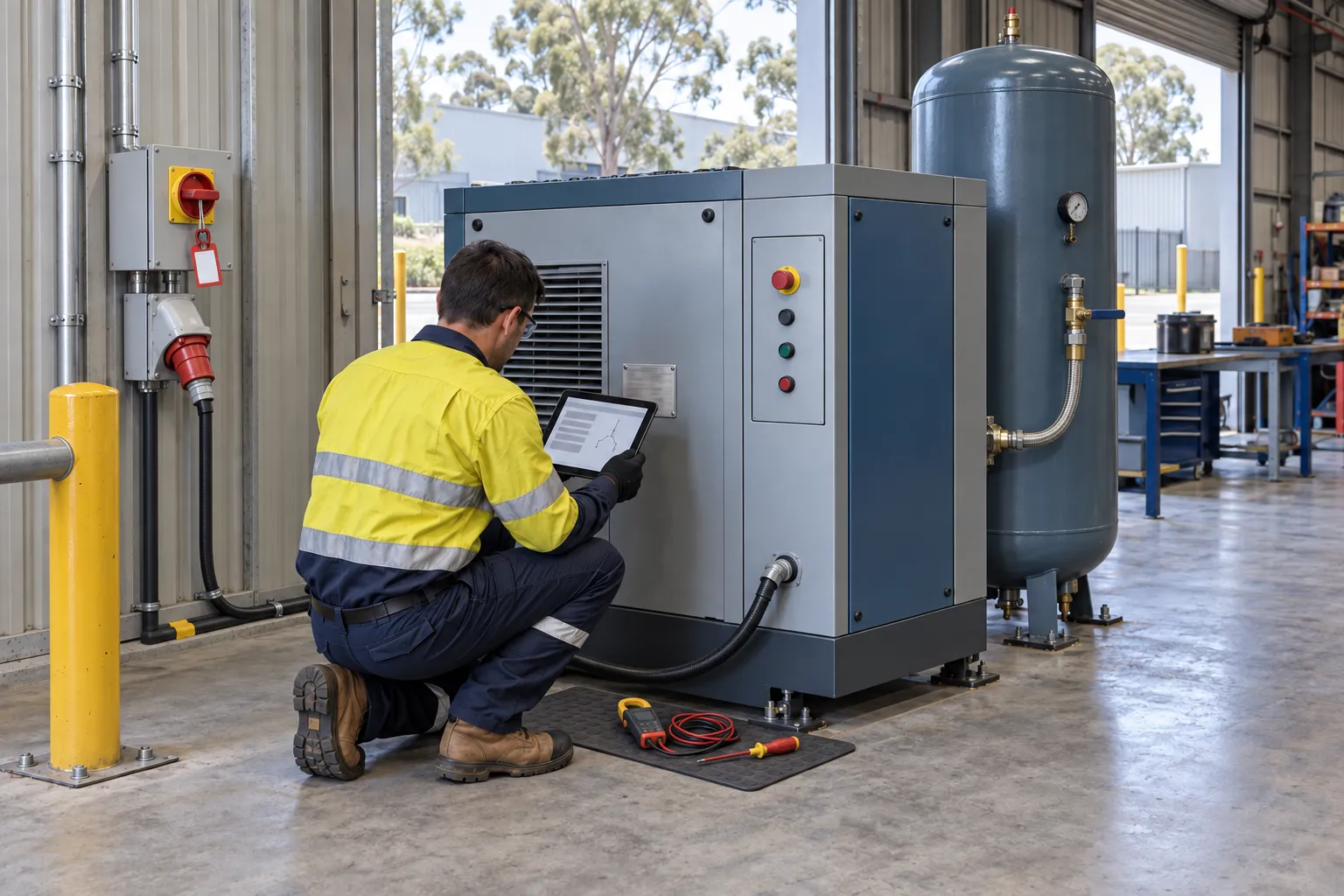
Three-phase power is commonly used for equipment with high electrical demands, large motors or continuous operating requirements. Many everyday household appliances use single-phase power, while larger commercial, industrial and specialised equipment may use or require three-phase supply.
The manufacturer's specifications should always be checked because some equipment is available in both single-phase and three-phase models.
Large Air Conditioning Systems
Large ducted air conditioning systems, commercial HVAC equipment and some electric heating systems may use three-phase power because of their high-capacity compressors or multiple motors. Smaller split systems are available in single-phase models, so the requirements of the specific system should be checked.
Commercial Kitchen Equipment
Larger commercial ovens, induction cooktops, combi ovens and dishwashers may be designed for three-phase operation. Three-phase supply can provide the capacity required when several high-powered appliances operate at the same time in restaurants, cafés, bakeries and catering facilities.
Workshop Machinery
Large air compressors, lathes, milling machines, industrial saws and pumps commonly use three-phase motors. These motors can provide smooth, consistent operation and are well suited to machinery that starts under load or operates for extended periods.
EV Chargers and Other High-Demand Equipment
Some high-capacity EV chargers and specialised electrical equipment may be better suited to three-phase supply. However, not every high-powered appliance requires three phases. Equipment specifications and the property's available capacity should be assessed before installation.
What Are the Advantages and Disadvantages of Single-Phase and Three-Phase Power?
Single-phase and three-phase power each have advantages and limitations depending on the property's electrical demand, equipment and future requirements. Single-phase is suitable for standard homes and smaller businesses, while three-phase provides greater capacity for larger or more demanding installations.
Single-Phase Power: Advantages and Limitations
Single-phase power is a practical option for properties with low to moderate electrical demand. It can support most household appliances, lighting, power points and smaller air conditioning systems without the additional complexity of a three-phase installation.
Here are its advantages:
- Lower installation and connection costs in many situations
- Simpler switchboard and electrical system design
- Suitable for most everyday appliances
- Straightforward maintenance and fault finding
- Sufficient capacity for many homes and small businesses
The main limitation is available capacity. Several high-demand appliances or large motors operating at the same time can place significant load on a single-phase supply, potentially causing voltage issues, nuisance tripping or restrictions on additional equipment.
Three-Phase Power: Advantages and Limitations
Three-phase power distributes electrical loads across three phases, providing greater overall capacity for high-demand equipment, large motors, commercial HVAC systems and other intensive applications.
Advantages are the following:
- Greater overall electrical capacity
- Efficient operation of many larger motors
- Better distribution of high electrical loads
- Suitable for continuous operation of many larger motors
- Greater flexibility for future expansion
- Suitable for commercial, industrial and high-demand residential applications
The main disadvantages are greater installation complexity and potentially higher upfront costs. Three-phase systems require suitable switchboard equipment, additional cabling and careful load balancing. Depending on the property and location, an upgrade may also involve electricity distributor requirements or network charges.
Which Power Supply Is More Suitable?
For a typical home with standard appliances, cooking, hot water and moderate air conditioning, single-phase power will provide sufficient capacity. Three-phase power becomes more suitable where electrical demand is higher or the property needs large motors, specialised equipment or additional capacity.
The better option depends on the property's actual and anticipated electrical load rather than simply choosing the supply with greater capacity. A licensed electrician can assess the existing system and planned equipment to determine whether an upgrade is necessary.
Does Three-Phase Power Cost More Than Single-Phase Power?
Three-phase power can cost more to install than single-phase power because it requires additional conductors, suitable switchboard equipment and more complex electrical work. The total cost also depends on whether it is being installed in a new property or added as an upgrade to an existing supply.
Although the upfront cost can be higher, three-phase power may provide better value where a property has high electrical demand or needs equipment that cannot operate on single-phase.
Installation and Connection Costs
Single-phase installations are simpler and require fewer supply conductors and less complex switchboard arrangements. This can make them more economical for properties with modest electrical demand.
A three-phase installation requires additional active conductors, suitable switching equipment and careful load balancing. An upgrade from single-phase may also involve changes to the metre, consumer mains and switchboard, along with electricity distributor requirements or network charges.
Understanding what is involved in upgrading consumer mains can help property owners anticipate the capacity, cabling and network work that may accompany a three-phase conversion.
Ongoing Costs and Long-Term Value
Having three-phase power does not automatically make electricity consumption more expensive. Ongoing electricity costs depend primarily on energy usage, the electricity plan and any applicable supply or demand charges.
Reviewing how electricity tariffs and charges are structured can help property owners understand the difference between fixed supply charges, usage charges and other costs that may apply under their plan.
The higher installation cost of three-phase power may be worthwhile when several high-demand appliances need to operate together or when the property requires large air conditioning systems, EV charging equipment or workshop machinery. For a typical property with modest electrical demand, retaining single-phase power may provide better value.
How to Know Which Power Supply Your Property Has
Knowing whether a property has single-phase or three-phase power can help when planning new appliances, air conditioning, renovations or other electrical work. The supply type can often be identified by checking the main switchboard and electricity metre, although the connection should be confirmed before major changes are made.
1. Check the Main Switchboard
The main switchboard can provide an indication of the property's supply type.
A single-phase installation will have:
- One main switch
- One incoming active and neutral supply
A three-phase installation will have:
- A three-pole main switch or linked main switches
- Three incoming active conductors and a neutral
The switchboard may also be labelled “1 Phase”, “3 Phase” or “3PH”. Older or unlabelled switchboards can be harder to identify, so the arrangement should not be assumed from appearance alone.
2. Check the Electricity Metre
The electricity metre or nearby supply labels may also identify the type of connection. Common markings include “1P” or “1 Phase” for single-phase and “3P” or “3 Phase” for three-phase.
Supply documentation, connection records or labels near the metre may provide additional information. Metre designs and labelling vary, so unclear markings should be confirmed by a licensed electrician.
3. Check Before Adding High-Demand Equipment
The existing supply should be confirmed before installing equipment such as large air conditioning systems, EV chargers, workshop machinery or other high-demand appliances. Frequent tripping or voltage issues when several large loads operate together may indicate that the existing supply is approaching its capacity.
A licensed electrician can inspect the installation and assess the property's electrical demand to confirm whether the existing supply is adequate or whether a three-phase upgrade should be considered.
What Should Be Considered Before Changing Power Supply?
Changing from single-phase to three-phase power is a significant electrical upgrade. Before proceeding, the property's current electrical demand, planned equipment, existing infrastructure and future requirements should be assessed to determine whether the additional capacity is necessary.
Assess Current and Future Electrical Demand
The property's current electricity demand should be compared with its expected future needs. Frequent circuit tripping, voltage issues or difficulty adding new equipment may indicate that the existing supply is approaching its capacity.
Plans should also be considered, particularly where the property may add:
- Large air conditioning systems
- EV chargers
- Electric cooking equipment
- Workshop machinery
- A granny flat or additional dwelling
- Higher-demand commercial equipment
Planning these requirements before a major renovation or electrical upgrade can help avoid unnecessary work later.
Check Equipment and Existing Infrastructure
The type of equipment being installed can affect whether three-phase power is required. Large motors, commercial HVAC systems, industrial machinery and some high-capacity equipment may be designed for three-phase operation, while other high-powered appliances are available in single-phase models. Manufacturer specifications should be checked before changing the supply.
The existing switchboard, consumer mains, metre and cabling should also be assessed. Older or undersized components may require upgrading regardless of whether the property remains on single-phase or changes to three-phase power.
A professional switchboard upgrade may be required if the existing board cannot safely distribute the property’s current or proposed electrical load.
Consider Availability and Overall Cost
Three-phase power is not automatically available at every property. The electricity distributor may need to confirm connection availability and network capacity, with some upgrades requiring changes to metering, consumer mains or other network infrastructure.
The total cost should be weighed against the property's long-term needs. Where higher electrical demand or three-phase equipment is expected, the upgrade may provide worthwhile capacity for future use. For properties with modest and stable demand, retaining single-phase power may be more practical.
Can You Upgrade From Single-Phase to Three-Phase Power?
Yes, many homes and businesses can be upgraded from single-phase to three-phase power, provided the local electricity distributor can support the required connection. The process may involve changes to the metre, switchboard, consumer mains and other electrical infrastructure, depending on the property's existing setup.
Whether an upgrade is worthwhile depends on the property's current and future electrical demand. Three-phase power may be appropriate where large machinery, high-capacity EV charging, extensive air conditioning or other high-demand equipment is planned, particularly if the existing single-phase supply is approaching its capacity.
An electrician can assess the existing supply, planned equipment and available network capacity to determine whether a three-phase upgrade is practical and necessary. If proper network work is required, the cost and feasibility of the upgrade should also be considered.
Under the NSW Accredited Service Provider Scheme, Level 2 providers are authorised to alter service lines, energise new or modified connections and undertake specified work on network devices.
Choosing between single-phase and three-phase power depends on the property's current electrical demand, equipment requirements and plans for future expansion. Single-phase power suits standard homes and light commercial applications, while three-phase provides greater capacity and more efficient load distribution for high-demand equipment, large motors, commercial kitchens and HVAC systems.
Considering factors such as existing load, future requirements, equipment compatibility, installation costs and available supply can help prevent unnecessary upgrades or capacity limitations. Allround Electrical can assess the property's electrical needs and determine whether the existing supply is suitable or whether a three-phase upgrade would provide better value.