
July 21, 2026
Preventative vs Predictive Electrical Maintenance: What Is Right for Your Commercial Property?
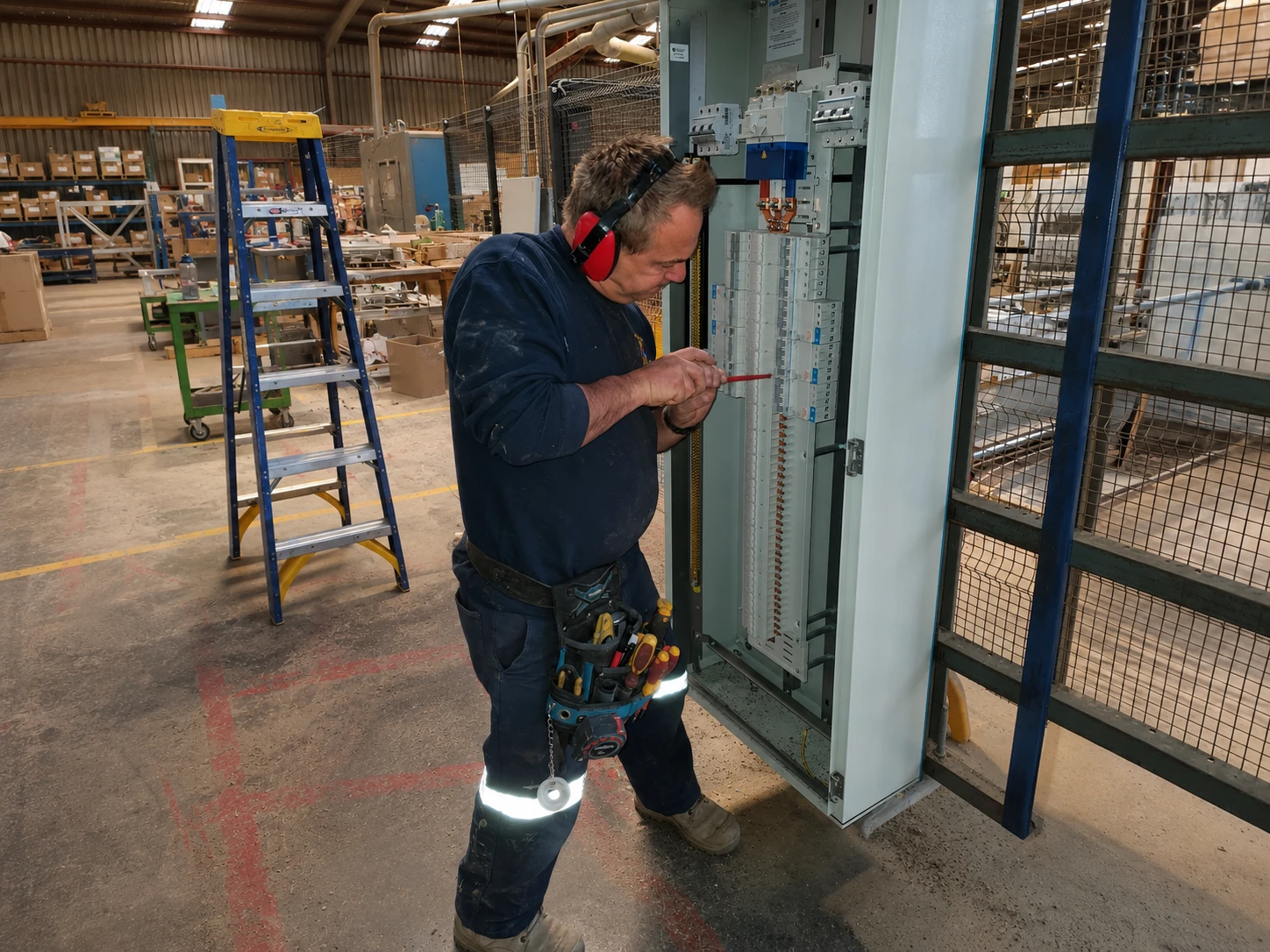
Electrical systems are fundamental to the safe and efficient operation of every commercial property, making a well-planned maintenance strategy essential for long-term performance. When assessing preventative and predictive maintenance options, property owners and facility managers often rely on the expertise of an electrician in Wollongong, such as Allround Electrical, to identify the most practical approach for protecting critical infrastructure, reducing downtime and maintaining safe operation.
Preventative and predictive maintenance both aim to reduce equipment failures, improve reliability and protect commercial assets, but they work in different ways. Preventative maintenance follows a planned schedule of inspections, testing and servicing, while predictive maintenance uses condition-based data to identify developing faults before they cause disruption. Understanding how these strategies differ helps property owners choose a maintenance approach that suits the building, its risk profile and its operational needs.
Why Commercial Electrical Maintenance Should Be Planned
Planned electrical maintenance helps keep a commercial property safe, compliant and operational. Rather than reacting to failures after they occur, a structured maintenance plan identifies issues early, schedules corrective work at suitable times and aligns electrical performance with the way the building is used.
For commercial sites, unplanned electrical faults can cause significant disruption. Tenants, staff and customers rely on power for lighting, heating, cooling, security, communications, equipment and day-to-day business operations. A planned approach allows inspections, testing and upgrades to be completed during quieter periods or staged across different areas of the property.
Minimising Downtime and Business Disruption
Unplanned electrical failures often happen at the worst possible time, such as peak trading hours, end-of-month processing or during critical operations. Planned maintenance allows inspections, testing and repairs to be arranged outside busy periods or completed in stages so normal operations can continue where possible.
Typical planned maintenance tasks may include:
- Switchboard inspections outside business hours
- RCD and safety switch testing at intervals appropriate to the site
- Emergency and exit lighting checks
- Thermal imaging of critical boards before seasonal demand increases
- Inspection of high-load circuits, motors and plant equipment
Planning also makes it easier to arrange temporary power, staged shutdowns or after-hours work so the entire property is not disrupted unnecessarily. This level of control is difficult to achieve when maintenance is purely reactive.
Improving Safety and Supporting Compliance
Electrical systems in commercial properties must be kept in a safe working condition. Planned maintenance supports this by creating a structured process for regular inspections, testing and documentation.
A maintenance program may include checks on:
- RCDs and safety switches
- Switchboards and distribution boards
- Circuit breakers and protective devices
- Emergency and exit lighting
- Earthing and bonding systems
- High-load equipment and fixed electrical assets
Clear maintenance records help demonstrate that the property owner or facility manager is taking reasonable steps to manage electrical safety. These records can be valuable during insurance reviews, audits, lease transitions or regulatory enquiries.
Controlling Costs and Extending Asset Life
Without planning, electrical maintenance often happens only after something fails. This can lead to urgent call-outs, higher labour costs, temporary repairs and business disruption.
A planned maintenance strategy helps spread costs across the year and allows components to be repaired or replaced before they cause a larger issue. Early identification of overloaded circuits, ageing switchgear, damaged fittings, loose connections or deteriorating cabling gives property managers more control over budgeting and repair timing.
Over time, planned maintenance can also help extend the life of electrical assets and reduce the total cost of ownership for the property’s electrical infrastructure.
What Preventative Electrical Maintenance Involves
Preventative electrical maintenance is a structured program of regular inspections, testing and servicing designed to keep a commercial property’s electrical systems operating safely and reliably. Instead of waiting for faults to appear, it focuses on identifying early warning signs and addressing them before they lead to breakdowns, safety risks or costly downtime.
For commercial facilities, preventative maintenance is usually scheduled according to risk level, equipment type, operating conditions and applicable compliance requirements. It can include visual inspections, functional testing, cleaning, tightening, minor repairs and planned replacement of ageing components.
Routine Inspection and Testing
The foundation of preventative maintenance is periodic inspection and testing of critical electrical assets. This may include:
- Main switchboards and distribution boards
- Circuit breakers, RCDs and safety switches
- Cables, conduits and terminations
- Lighting systems, including emergency and exit lighting
- Power outlets and fixed electrical equipment
- Earthing and bonding systems
Licensed electricians inspect electrical assets for signs of overheating, corrosion, moisture ingress, damage, overloading or insulation breakdown. Where safe and appropriate, switchboards may be opened to check internal components, confirm circuit identification and look for discolouration, loose fittings or evidence of heat stress.
Cleaning, Tightening and Minor Adjustments
Many preventable electrical failures begin with loose connections, dust buildup or minor wear that is not visible during normal operation. Preventative maintenance targets these issues before they become more serious.
Connections within switchboards and control panels may be checked and tightened to the manufacturer’s specifications. Loose terminations can generate heat, increase arcing risk and contribute to electrical failure, especially in older or heavily loaded installations.
Dust and debris may also be removed from boards, control gear and ventilation paths to help prevent overheating. In some commercial environments, such as workshops, warehouses or sites with airborne contaminants, cleaning may need to occur more frequently.
Minor adjustments may include replacing worn labels, correcting circuit identification, checking time clocks and sensors, securing covers and confirming conduits, grommets and mechanical protection remain in good condition.
Planned Replacement and Compliance Tasks
Preventative maintenance can also include replacing components before they reach the end of their service life. This reduces the likelihood of equipment failing during business hours or causing a larger fault.
Scheduled replacement may involve:
- Ageing circuit breakers and contactors
- Damaged power outlets and switches
- Emergency and exit lighting batteries or control gear
- Surge protection devices in higher-risk locations
- Worn fittings, labels or protective covers
Compliance-related tasks can be integrated into the same maintenance schedule. This may include emergency lighting tests, RCD testing, test and tag requirements for portable appliances and documentation of inspection results. Coordinating these tasks helps property managers maintain clearer records and reduce the chance of missed safety obligations.
What Predictive Electrical Maintenance Involves
Predictive electrical maintenance uses condition monitoring and performance data to identify faults before they cause failures. Instead of relying only on a fixed calendar schedule, it focuses on the actual condition of switchboards, cabling, protective devices and critical electrical equipment.
This approach is designed to reduce unplanned outages, extend asset life and minimise disruption to tenants, staff or operations. It is particularly valuable for larger commercial properties, complex facilities and sites where even a short outage could cause significant financial or safety consequences.
Key Techniques Used in Predictive Maintenance
Predictive maintenance usually combines several diagnostic techniques to build a clearer picture of electrical system health.
Thermographic scanning is one of the most common methods. An infrared camera is used to scan switchboards, distribution boards, main connections and terminations while the system is under load. Hot spots may indicate loose connections, overloaded circuits or failing components that need attention before they create a fire or arcing risk.
Power quality analysis is another useful tool. Portable or fixed meters can monitor voltage, harmonics, transients, phase imbalance and load fluctuations. Poor power quality can contribute to nuisance tripping, equipment damage, overheating and higher energy use.
Insulation resistance testing and partial discharge testing may also be used on larger commercial installations, high-value assets or ageing electrical infrastructure. These tests help identify deterioration within cables, busbars, switchgear and insulation systems. When results are tracked over time, they can show whether an issue is stable or getting worse.
Continuous Monitoring and Data-Driven Decisions
More advanced predictive maintenance programs may use continuous monitoring devices in main switchboards, critical distribution boards, UPS systems, large motors or HVAC plant. These devices collect information such as temperature, load current, imbalance and voltage fluctuations.
The value of predictive maintenance comes from trend analysis. Instead of relying on one inspection result, the data shows how electrical equipment performs over weeks or months under real operating conditions. Gradual increases in temperature, current draw or imbalance can indicate developing faults before failure occurs.
This allows maintenance decisions to be based on risk. Assets showing early warning signs can be prioritised, while healthy equipment can remain in service longer. For high-criticality sites, this can reduce unnecessary shutdowns while improving reliability where it matters most.
Preventative vs Predictive Maintenance: The Main Differences
Both preventative and predictive electrical maintenance aim to reduce failures and keep commercial properties safe and operational. The difference is how maintenance is scheduled and what information is used to make decisions.
Preventative maintenance is mainly schedule-based. Predictive maintenance is condition-based.
Maintenance typeHow it worksBest suited toPreventative maintenanceUses scheduled inspections, testing, cleaning and servicing at planned intervalsOffices, retail sites, warehouses and general commercial buildingsPredictive maintenanceUses condition monitoring, thermal imaging, power quality data and trend analysisCritical infrastructure, complex facilities and sites where downtime is costly
How Maintenance Is Scheduled
Preventative maintenance follows a set schedule. Tasks are completed at planned intervals, such as monthly, quarterly, six-monthly or annually, depending on the equipment, site conditions and applicable requirements.
For example, a commercial property may have scheduled inspections for switchboards, safety switches, emergency lighting and high-load equipment. The aim is to identify obvious wear, damage or deterioration before it becomes unsafe or disruptive.
Predictive maintenance works differently. It uses condition data to decide when maintenance is needed. Instead of servicing every asset on the same schedule, predictive maintenance looks for signs of developing risk, such as rising temperatures, increasing harmonic distortion, load imbalance or repeated equipment stress.
This means work can be targeted where the data shows an issue is forming.
Impact on Cost, Risk and Downtime
Preventative maintenance is generally easier to budget because tasks are scheduled in advance. It suits many small to medium commercial properties where electrical systems are relatively straightforward and predictable.
The limitation is that some equipment may be inspected, serviced or replaced before it is strictly necessary. However, this is often an acceptable trade-off for maintaining safety and reducing unexpected failures.
Predictive maintenance can reduce unplanned outages and extend asset life by focusing attention on equipment that shows signs of deterioration. It is especially useful where downtime would be expensive, unsafe or operationally difficult.
The trade-off is that predictive maintenance usually requires a higher upfront investment in diagnostic testing, monitoring equipment and specialist interpretation.
Which Maintenance Approach Suits Your Property?
Choosing between preventative and predictive electrical maintenance starts with understanding how critical electrical uptime is to the business. The right approach depends on the property type, operating hours, tenant needs, regulatory obligations, budget and the age and condition of the existing electrical infrastructure.
Most commercial properties benefit from a blended strategy. Preventative maintenance provides the safety and compliance foundation, while predictive tools are introduced where failure risks and costs are highest.
Consider the Type and Use of the Property
Different property uses create different maintenance priorities. A standard office building with general lighting and power outlets may not need the same level of monitoring as a healthcare facility, data room, manufacturing site or large retail centre.
For typical offices, small retail spaces and warehouses, scheduled preventative maintenance is often suitable. Regular inspections, RCD testing, emergency lighting checks, thermal imaging and switchboard servicing can significantly reduce unexpected faults.
For facilities that rely on continuous operation, predictive maintenance may provide greater value. Sites with server rooms, medical equipment, refrigeration, high-load machinery, pumps, large HVAC systems or critical security infrastructure often benefit from closer condition monitoring.
Factor in Age, Complexity and Existing Issues
Older buildings with legacy wiring, overloaded circuits, ageing switchgear or a history of nuisance tripping usually need a stronger preventative maintenance program. Regular scheduled inspections can identify deterioration in cabling, insulation and protective devices before they create a more serious issue.
More complex sites may benefit from predictive techniques, especially where building management systems, integrated lighting controls, on-site generation, UPS systems or large plant equipment are already generating performance data.
Properties that have experienced unexplained outages, recurring equipment failures, hot spots in switchboards or frequent tripping are also strong candidates for a detailed maintenance review. In many cases, a preventative inspection can identify immediate risks, while predictive monitoring can then be applied to the most problematic circuits or assets.
Align With Budget, Risk and Compliance Obligations
Budget is an important consideration, but maintenance costs should be viewed across the full life of the asset rather than only upfront. Preventative maintenance usually has a lower initial cost and is easier to budget because inspections and tasks are scheduled in advance.
Predictive maintenance usually requires more upfront investment in diagnostic testing, sensors, monitoring systems or specialist analysis. It is most suitable where the cost of one unplanned outage would outweigh the ongoing cost of monitoring.
For most commercial properties, a practical approach is to:
- Use preventative maintenance to support safety, compliance and general reliability across the whole site
- Apply predictive maintenance selectively to critical, high-load or failure-prone equipment
- Review maintenance records regularly to adjust the strategy as the building ages or usage changes
Electrical Systems and Assets That Need Regular Attention
Commercial buildings rely on a mix of electrical assets that must operate safely and continuously. The highest priority should be given to systems that carry heavy loads, operate for long periods, support life safety or are difficult to replace at short notice.
Main Switchboards and Distribution Boards
Main switchboards and distribution boards are central to any commercial electrical installation. They distribute power throughout the building and can become a major point of failure if neglected.
Regular attention may include thermal imaging, checking for hot spots, tightening connections, inspecting busbars and breakers, verifying protection settings and confirming mechanical operation of isolators and circuit breakers.
Dust buildup, corrosion, loose terminations and overloaded circuits are common issues that can contribute to nuisance tripping, overheating and electrical faults.
Predictive techniques may also track load profiles, temperature trends or breaker trip histories to identify circuits that are regularly under stress. This helps inform planned upgrades instead of emergency replacements.
Lighting, Emergency Lighting and Control Systems
Lighting systems in commercial properties often operate for long hours and are important for safety, productivity and presentation. Standard lighting should be inspected for flickering, discolouration, overheating, damaged fittings and failing drivers or control gear.
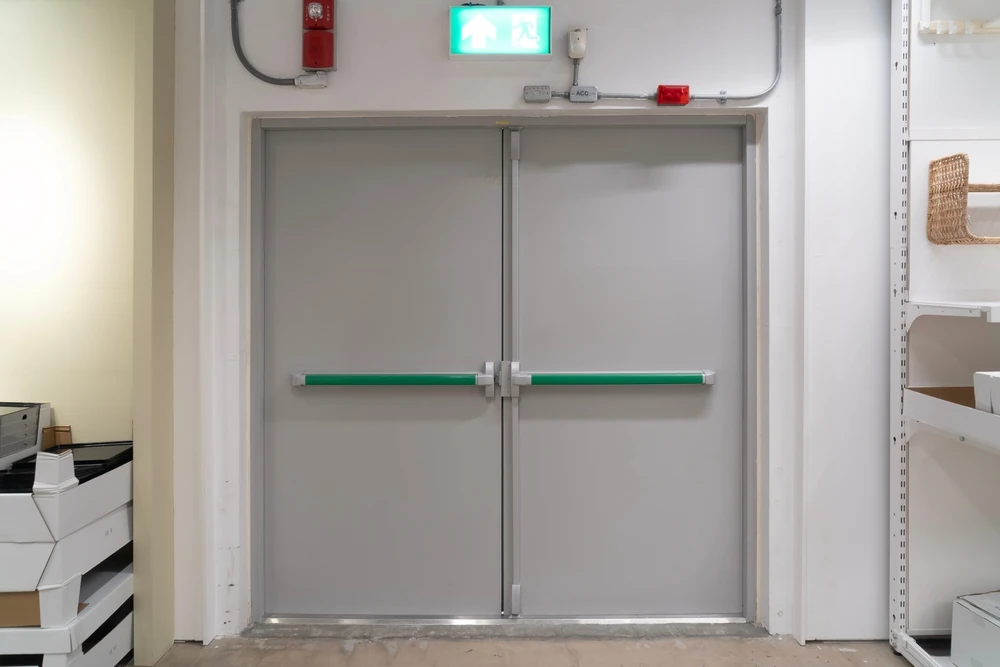
Emergency and exit lighting are safety-critical systems that need routine testing and clear documentation. Battery backup units should be checked to confirm they operate when required and support safe evacuation.
Lighting control systems, including sensors, timers and smart controls, should also be reviewed periodically. Faulty sensors, incorrect settings or frequent manual overrides can lead to wasted energy and occupant complaints. Trend data from control systems may help identify abnormal operating patterns.
HVAC Electrical Supplies, Motors and Critical Equipment
Heating, ventilation and air conditioning systems are major electrical loads in many commercial buildings. Electrical supplies for chillers, air handling units, pumps, compressors, motors and variable speed drives require regular attention.
Preventative tasks may include checking motor terminations, inspecting overload and fault protection, confirming isolation points, reviewing cabling condition and looking for signs of overheating or vibration.
Predictive maintenance may involve vibration analysis, temperature monitoring and energy use trend analysis. A gradual rise in current draw or operating temperature can indicate mechanical drag, bearing wear or electrical deterioration before a major failure occurs.
Building a Practical Commercial Electrical Maintenance Plan
A practical electrical maintenance plan turns the principles of preventative and predictive maintenance into clear actions, schedules and responsibilities. The goal is to protect people and assets, reduce downtime and keep the property operating safely.
The most effective plans are tailored to the building type, risk profile, tenancy requirements and operating hours. A retail centre with long trading hours, a data room and heavy HVAC demand will need a different plan from a small office with basic lighting and power.
Start With a Risk and Asset Assessment
Planning should begin with a structured review of the electrical installation and how the building is used. This helps identify which assets are critical, which systems are outdated or overloaded and where predictive tools could provide value.
An assessment may consider:
- Age and condition of switchboards
- Load demand and circuit capacity
- History of faults, tripping or outages
- Critical equipment and business continuity requirements
- Emergency and exit lighting obligations
- Accessibility for inspections and shutdowns
- Existing maintenance records
This assessment forms the basis for deciding which assets need routine preventative maintenance and which justify predictive monitoring.
Define Maintenance Intervals and Task Types
Once risks and assets are clear, maintenance tasks can be assigned realistic frequencies. A typical commercial plan may include scheduled inspections, RCD testing, emergency lighting checks, switchboard servicing, thermal imaging and review of high-load circuits.
Preventative activities should be scheduled according to the site’s risk profile, equipment type, usage and applicable requirements. Predictive activities should be targeted where failure would be costly, disruptive or unsafe.
Examples may include thermal imaging of main switchboards, power quality monitoring for sensitive equipment, load trend analysis for high-demand circuits and condition monitoring for critical plant.
Coordinate Maintenance With Operations and Compliance
A maintenance plan is only useful if it fits the property’s daily operation. Shutdowns, testing and inspections should be scheduled around trading hours, tenant needs, staff access and critical processes.
All inspections, test results, defects and corrective works should be recorded in a central register. This supports compliance, helps future electricians understand the installation history and gives property managers a clear view of what has been completed and what still needs attention.
As the building changes, the maintenance plan should also be reviewed. New tenants, increased electrical load, additional equipment, renovations or repeated faults may all require the strategy to be updated.
Choosing the Right Commercial Electrical Maintenance Strategy
Choosing between preventative and predictive electrical maintenance depends on the property’s infrastructure, operational requirements, risk profile and maintenance objectives. Preventative maintenance provides a structured and cost-effective framework for supporting safety, compliance and general reliability. Predictive maintenance uses condition-based data to identify developing faults before they cause costly failures or disruption.
For many commercial properties, the most effective solution is a balanced maintenance strategy that combines scheduled inspections and statutory testing with targeted condition monitoring for critical assets. Working with a licensed commercial electrician helps ensure the maintenance plan is practical, properly documented and suited to the way the property operates.