May 8, 2026
Common Electrical Emergencies in Commercial Buildings and How to Reduce Risk
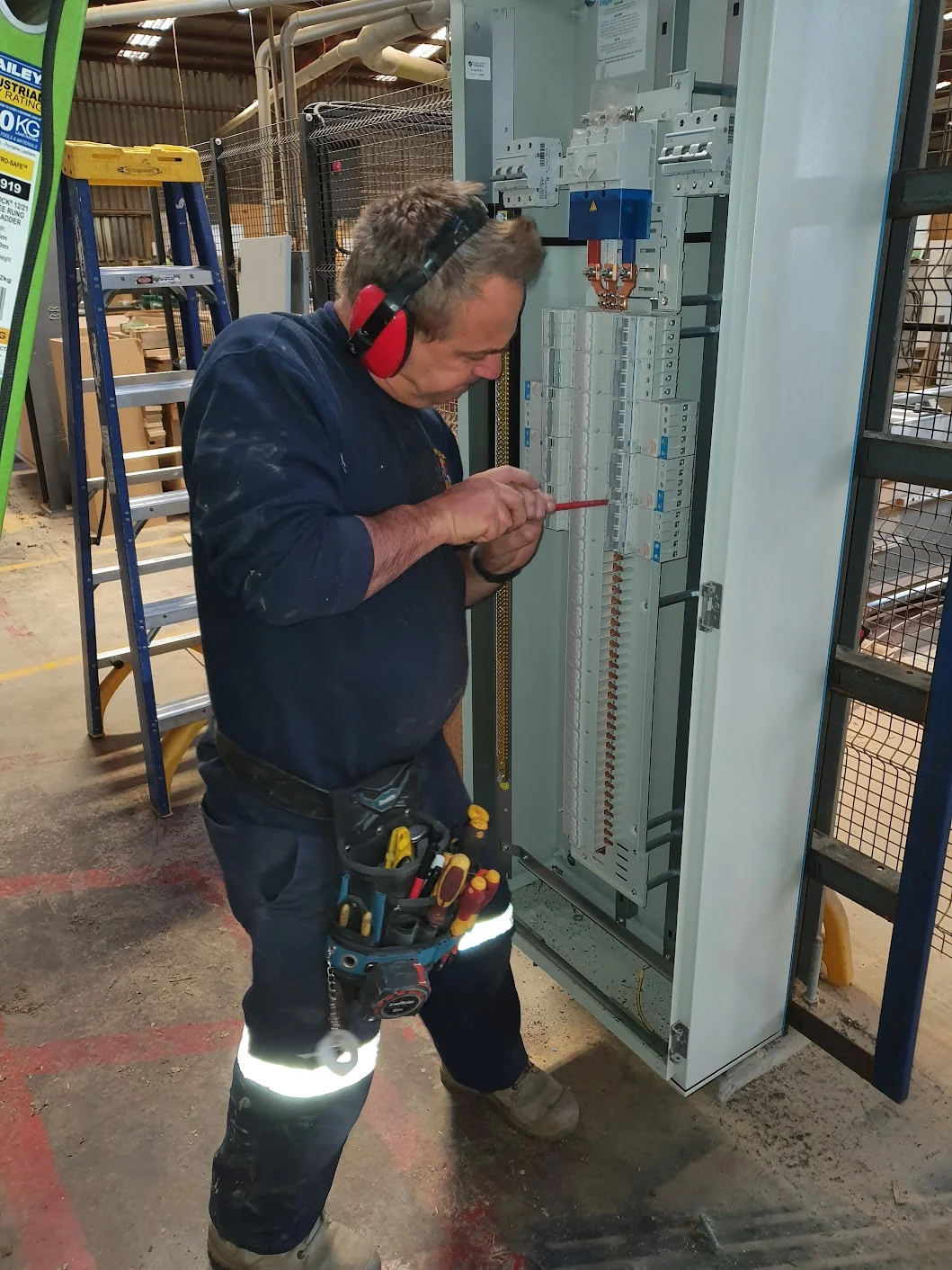
Electrical emergencies in commercial buildings rarely occur at convenient times, and the consequences are often immediate and costly. Power loss, equipment damage, electrical fires and repeated tripping can disrupt operations, compromise safety and affect business reputation. With complex electrical loads, sensitive equipment and increasing energy demands, systems are often placed under greater strain. Hiring a qualified electrician in Wollongong becomes essential for managing these risks and keeping commercial electrical systems safe, reliable and compliant.
Allround Electrical explains the most common electrical emergencies that can affect commercial buildings, how these issues usually develop and the warning signs that should not be ignored. The article also looks at how regular maintenance, early fault identification and timely professional repairs can help reduce risk.
Common Electrical Emergencies in Commercial Buildings
Electrical emergencies in commercial buildings can disrupt operations, expose people to serious safety hazards and cause property damage if not handled correctly. Understanding what these emergencies look like in practice is the first step to reducing risk and responding effectively when something goes wrong.
Most critical incidents in commercial settings involve overloaded systems, ageing or damaged equipment, water ingress, faulty installation or insufficient maintenance. These problems are common across offices, warehouses, retail tenancies, hospitality venues and industrial facilities, where equipment demand can be high and downtime can become costly very quickly.
Power Outages and Partial Loss of Power
Unexpected loss of power can stop business operations instantly. In commercial buildings, this may involve a total blackout, loss of power to specific circuits, or partial outages affecting certain floors, tenancies or equipment groups.
In a power emergency, the priority is to keep people safe and protect critical systems. Staff should avoid using lifts, secure essential equipment such as refrigeration, IT servers and medical or safety systems, and avoid unsafe temporary workarounds such as piggybacked power boards or overloaded extension leads.
Persistent or unexplained outages usually indicate deeper issues within distribution boards, cabling, metering or upstream supply equipment. These faults require professional assessment rather than repeated resets or temporary fixes.
Burning Smells, Hot Switchboards and Arcing
Any sign of burning around electrical equipment should be treated seriously. In commercial buildings, the most common danger points include main switchboards, distribution boards, meter panels, plant rooms, ceiling spaces and heavily loaded outlet areas.
Warning signs can include:
- A persistent burning plastic or fishy odour near electrical fittings, panels or outlets
- Warm or hot switchboard covers, switches or socket outlets
- Visible arcing or sparking when equipment starts or when a breaker is reset
These symptoms often point to loose connections, overloaded busbars, deteriorated insulation or wiring that is not suited to the load it is carrying. In commercial settings, heavy loads from HVAC plant, commercial kitchens, refrigeration, machinery or production equipment can make these faults more dangerous.
Left unresolved, these issues can lead to electrical fires in walls, ceilings, plant rooms or switch rooms.
Tripping RCDs, Breakers and Equipment Failures
Repeated tripping of circuit breakers or safety switches is not a nuisance issue. It is a clear sign that something in the system needs investigation. In commercial buildings, this frequently occurs where there is dense equipment use, such as server rooms, open-plan offices, workshops, food preparation areas or retail spaces with multiple appliances and point-of-sale systems.
Common causes include faulty appliances, damaged leads, water ingress into outlets or fittings, damaged cabling, overloaded power circuits and incorrect allocation of equipment across phases. Continuously resetting a tripped device without finding the cause increases the risk of electric shock, equipment damage and fire.
Frequent equipment failures can also point to electrical quality problems such as undervoltage, loose neutrals, phase imbalance or recurring voltage fluctuations. Early investigation reduces the chance of a sudden breakdown that stops business operations without warning.
Warning Signs That Should Not Be Ignored
Many serious electrical emergencies are preceded by clear warning signs. Recognising these early indicators and acting quickly can prevent equipment damage, business disruption and fire.
Not every issue will look dramatic. Subtle changes in how lights behave, how outlets feel or how equipment runs can all signal an underlying fault in the electrical system. Any recurring pattern should be treated as a risk rather than an inconvenience.
Frequent Tripping, Flickering or Dimming
Circuit breakers that trip regularly are signalling that a circuit may be overloaded or faulty. Simply resetting breakers without investigating the cause is unsafe, especially when the same circuit keeps failing. Repeated tripping can indicate too much load on that line, a faulty appliance, damaged wiring or a developing fault within connected equipment.
Flickering or dimming lights are another early warning sign. This is often blamed on failing lamps, but the real issue may be loose connections, undersized circuits, voltage fluctuations or heavy equipment drawing power as it starts up. Lights that change brightness when printers, HVAC units, kitchen appliances or machinery operate should be investigated as a possible supply or load balancing problem.
Hot Surfaces, Burning Smells or Discolouration
Switch plates, socket outlets, distribution boards or power boards that feel hot to the touch are a serious warning. Some equipment may produce mild warmth during normal operation, but anything that feels uncomfortable to touch or becomes hotter over time suggests overloading or poor connections creating resistance and heat.
Acrid, plastic or fishy odours around electrical equipment should never be ignored. These smells often come from overheated insulation, melting plastic housings or failing components in lighting and electrical fittings.
Discolouration, browning or soot marks on outlets, switches or ceiling tiles near light fittings can indicate arcing or excessive heat. These signs should be treated as potential fire hazards.
Buzzing, Sparking or Damaged Fittings
Electrical systems should operate quietly. Persistent buzzing, crackling or humming from switchboards, light fittings, outlets or electrical equipment can indicate loose connections, overloaded transformers, faulty dimmers or failing components. Visible sparks when plugging in or switching devices on and off are also a red flag for arcing.
Damaged, loose or outdated fittings are another clear indicator of risk. Examples include cracked outlet faces, switches that wobble, power points that no longer grip plugs firmly and extension leads with exposed conductors.
Temporary solutions such as multi-plug adapters, daisy-chained power boards or permanent use of extension leads often suggest that the installed electrical capacity is not keeping up with actual demand. This increases the likelihood of overheating, overloading and equipment failure.
How Electrical Faults Affect Safety, Operations and Downtime
Electrical faults in commercial buildings rarely stay isolated for long. A loose connection, overloaded circuit or failing protective device can create safety risks, damage equipment and halt critical business activities. Understanding these impacts is essential for prioritising maintenance, planning upgrades and setting internal safety procedures that reduce risk.
The effects are often connected. The same issue that compromises staff safety can also damage plant, corrupt data and lead to extended shutdowns while faults are located, repaired and tested.
Safety Risks to People and Property
The most serious consequence of electrical faults is the threat to life and property. Common problems such as deteriorated wiring, overloaded distribution boards and unprotected circuits increase the likelihood of:
- Electric shock to staff, contractors or visitors
- Arc faults at switchboards or in ceiling spaces
- Electrical fires in risers, plant rooms or tenancy fit-outs
Inadequate emergency and exit lighting is another safety concern. If faults in backup supplies, batteries or automatic transfer arrangements go undetected, occupants may be left without clear egress during a real emergency.
Impact on Operations, Equipment and Compliance
Electrical disturbances directly affect business continuity. Voltage dips, surges, nuisance tripping and partial power loss can interrupt:
- Point-of-sale and EFT systems
- Servers and network hardware
- HVAC and refrigeration
- Production lines, lifts and access systems
Even short outages can cause data corruption, failed transactions, production delays or lost trading time. Sensitive equipment subjected to frequent brownouts or voltage spikes may also experience accelerated wear, leading to more frequent repairs and earlier replacement.
Electrical faults can also create compliance problems. Commercial buildings are expected to maintain safe electrical systems, clear isolation points, functional emergency lighting and suitable protection for the way the premises is used. Poor maintenance can make it harder to demonstrate that reasonable steps have been taken to manage electrical risk.
Downtime, Access Disruption and Hidden Costs
When commercial electrical faults occur, the time required to locate and rectify them is often greater than expected. Commercial installations can include multiple distribution boards, submains, tenancy alterations, plant equipment and critical circuits that make fault finding slower and more disruptive.
Isolating affected areas may require shutting down entire floors, retail spaces, kitchens, plant rooms or essential equipment. This can lead to lost trading, halted office operations, interrupted production or spoilage where refrigeration and controlled environments are involved.
There are also indirect costs. Staff may need to be stood down or relocated, temporary generators may be required and repeated interruptions can affect client confidence, tenant relationships and overall productivity.
How Regular Maintenance Helps Reduce Commercial Electrical Risk
Regular electrical maintenance is one of the most effective ways to prevent costly outages, equipment damage and life safety incidents in commercial buildings. By identifying faults before they escalate and ensuring systems operate within safe limits, ongoing maintenance directly reduces the likelihood of common electrical emergencies.
A structured maintenance programme also helps keep a site aligned with electrical standards, insurance expectations and workplace safety obligations. This protects occupants and assets while reducing the likelihood of business interruption and unexpected repair costs.
Identifying Hidden Faults Before They Become Emergencies
Many electrical problems in commercial buildings develop gradually. Insulation breaks down, connections loosen, protective devices wear and circuits become overloaded as new equipment is added. Without regular inspection, these issues often remain hidden until they trigger a serious fault.
Planned maintenance may include:
- Visual inspection of switchboards, distribution boards and cabling for heat damage, discolouration, corrosion and physical deterioration
- Tightening terminations where vibration or load cycling has loosened connections
- Insulation resistance testing to detect breakdown before it leads to arcing or short circuits
Infrared thermal scanning is particularly valuable in commercial environments. It can detect hot spots in switchboards, busbars and terminations that are not visible during a standard inspection. Correcting a single overheating connection early can prevent a board failure that may otherwise shut down multiple tenancies, plant systems or critical equipment.
Verifying Protection Devices and Load Capacity
Circuit breakers, residual current devices and surge protection devices are only effective if they are correctly selected, installed and tested. Over time, site loads change as new equipment, technology or tenancy requirements are added. Without regular review and testing, protection settings may no longer suit the actual demand on the system.
Load monitoring can reveal circuits that are consistently near capacity or subject to frequent demand spikes. Rebalancing loads across phases, upgrading circuits or adding dedicated supplies for high-demand equipment can significantly reduce the risk of nuisance tripping, overheating and equipment damage.
This is particularly important in commercial buildings where air conditioning, commercial kitchens, refrigeration, manufacturing equipment and IT infrastructure all place different demands on the electrical system.
Maintaining Compliance and System Reliability
Electrical regulations and standards change as technology and safety knowledge improve. Routine maintenance provides an opportunity to check that existing installations still suit the building’s current use, including switchboard access, circuit labelling, isolation points, emergency lighting and safety systems.
For commercial buildings, this may involve:
- Ensuring emergency and exit lighting circuits are functional, tested and documented
- Confirming that critical systems such as fire pumps, lifts and communication systems have appropriately maintained power supplies and backup arrangements
- Updating single-line diagrams and asset registers so faults can be located and resolved quickly
Accurate testing and maintenance records create a clear history of due diligence, which can be important for insurers, regulators, property managers and business owners. More importantly, a disciplined maintenance regime means electrical systems are less likely to fail without warning.
When to Call a Commercial or Emergency Electrician
Knowing when to call a commercial or emergency electrician is critical for protecting people, equipment and business continuity. Some issues can be logged for the next scheduled service visit, while others demand immediate isolation and urgent attendance.
The key is to recognise which situations are life safety or fire risks and which are operational problems that still require prompt professional attention. When electrical faults are recurring, worsening or difficult to explain, it is safer to act early rather than wait for a more serious failure.
When to Call a Commercial Electrician Promptly
Some problems may not be immediately life-threatening but still require prompt attention from a licensed commercial electrician to prevent escalation, disruption or asset damage.
A commercial electrician should be called promptly when there is:
- Repeated circuit breaker or RCD tripping
- Flickering or dimming lights across part of the building
- Warm outlets, switches or switchboard covers
- Damaged fittings, loose outlets or exposed wiring
- Equipment that frequently fails, shuts down or behaves unpredictably
- Ongoing reliance on extension leads, adapters or overloaded power boards
- Signs that existing circuits are no longer keeping up with business demand
These issues can indicate overloading, insulation breakdown, neutral faults or poor connections that may progress to shock, fire or equipment damage if ignored. Early investigation can prevent a minor fault from becoming a shutdown, major repair or safety incident.
When to Call an Emergency Electrician Immediately
An emergency electrician should be called immediately when there is an immediate safety risk, fire risk or loss of power to critical systems.
Urgent attendance is usually required when there is:
- A burning smell, smoke or visible heat damage near electrical equipment
- Sparking, arcing or crackling from outlets, fittings or switchboards
- Water near electrical equipment, switchboards or outlets
- A hot switchboard or electrical panel
- Loss of power to essential systems such as refrigeration, medical equipment, fire systems, security systems or IT infrastructure
- A fault that affects public safety, access systems, emergency lighting or building evacuation routes
In these situations, the affected area should be isolated if it is safe to do so. Staff should avoid repeatedly resetting breakers, opening electrical equipment or using temporary power solutions that may overload another circuit.
Deciding Between Onsite Staff Action and Calling a Professional
Facilities staff can safely perform only limited actions. Acceptable in-house steps are usually restricted to:
- Isolating power via clearly labelled switches or breakers
- Resetting a tripped breaker once after confirming there is no burning smell, visible damage, water or heat
- Unplugging faulty portable appliances and tagging them out of service
Anything that involves opening switchboard covers, accessing live parts, altering wiring or improvising temporary fixes must be left to a qualified commercial electrician. If there is doubt about the severity of a situation, it should be treated as an emergency and professional attendance should be requested.
Reducing Electrical Risk in Commercial Buildings
Electrical emergencies in commercial buildings are often the result of problems that have been developing for some time. Overloaded circuits, ageing switchboards, deteriorated wiring and poorly maintained safety systems can all increase risk until a critical fault occurs.
By recognising warning signs early, responding appropriately and maintaining electrical systems on a regular schedule, commercial property owners and managers can reduce downtime, protect occupants and avoid preventable damage. For businesses in Wollongong, working with a qualified commercial electrician helps ensure faults are assessed properly and systems remain safe, compliant and reliable.