
October 19, 2026
What Electrical Work Is Required for a Pool or Spa in NSW?
Adding a pool or spa involves more than choosing the right equipment and layout. Pumps, heaters, lighting and other electrical components must be installed safely and meet Australian standards and NSW requirements, particularly when electricity is used close to water. An electrician in Wollongong can assess these requirements early to help prevent safety issues and costly changes.
The electrical work can involve dedicated circuits, switchboard capacity, RCD protection, equipotential bonding, pool lighting, outdoor equipment and correctly installed cabling. Each component needs to be suited to the equipment, property and conditions around the pool or spa.
Allround Electrical’s pool and spa electrician services help plan and manage pool and spa electrical installations, from initial power supply considerations through to equipment connections and safety checks. Proper electrical planning can support safe, reliable operation while helping the finished installation meet applicable requirements.
What Pool and Spa Equipment Needs an Electrical Connection?
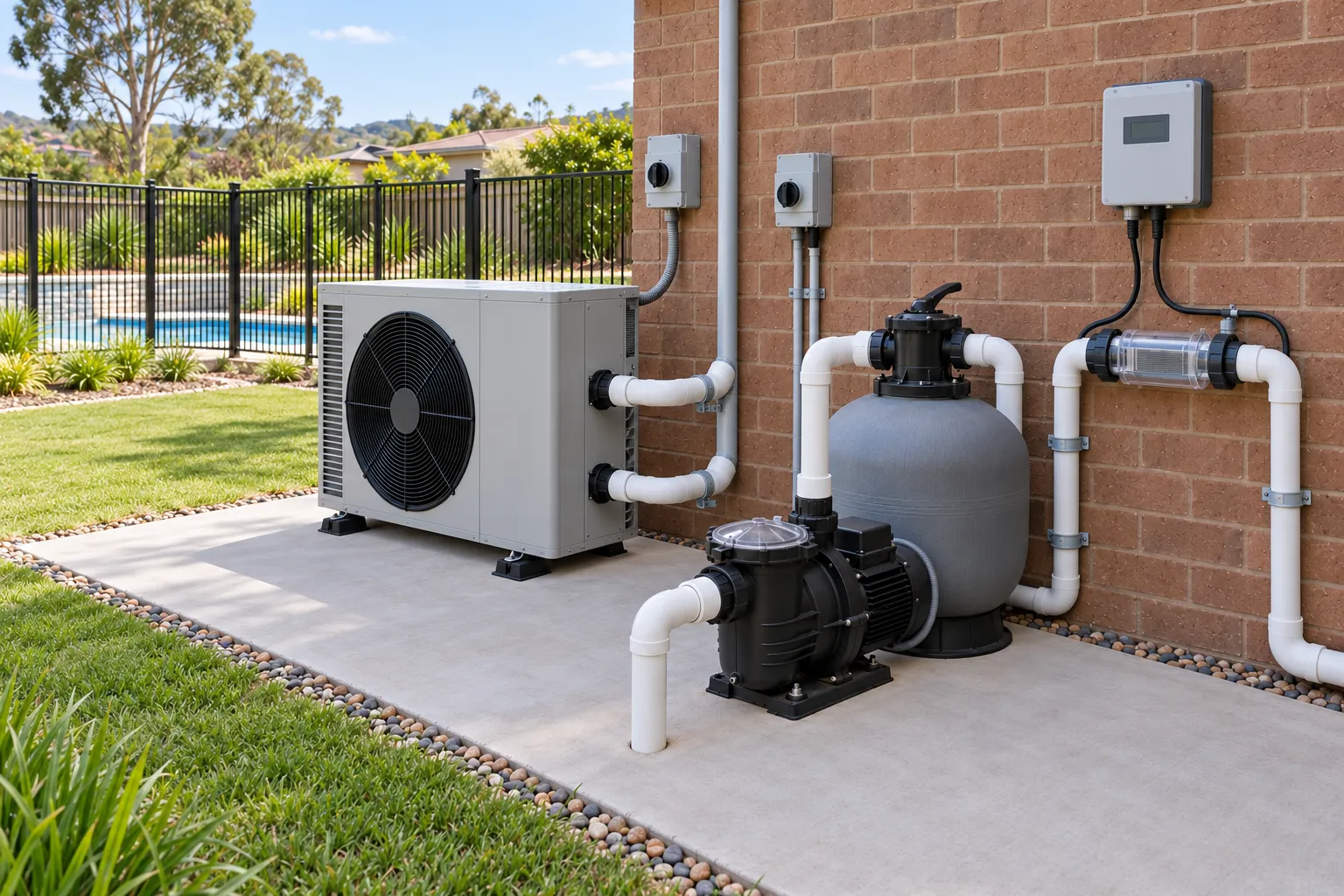
Most modern pools and spas rely on several electrical systems to circulate, heat, treat and illuminate the water. Identifying these requirements early helps with switchboard capacity, circuit planning and safe equipment placement.
Pumps, heaters, chlorinators, lighting and automation systems all require suitable electrical connections, with the circuit, protection and installation method selected according to the equipment and applicable requirements.
Pumps and Water Treatment
Pool and spa pumps need a reliable power supply suited to their motor rating. This includes standard pumps, variable-speed pumps and booster pumps used for cleaners or other equipment.
Saltwater chlorinators, dosing systems and automated pH controllers also require power. These systems are typically connected so treatment equipment operates with the circulation system, helping prevent dosing when water is not flowing.
Heaters and Controls
Pool and spa heaters can place a proper demand on the electrical supply. Electric heat pumps, element heaters and inline spa heaters require appropriately sized circuits based on the manufacturer's requirements.
Gas heaters also need electricity for ignition and controls, while thermostats, sensors and actuated valves may use lower-voltage control connections.
Lighting and Accessories
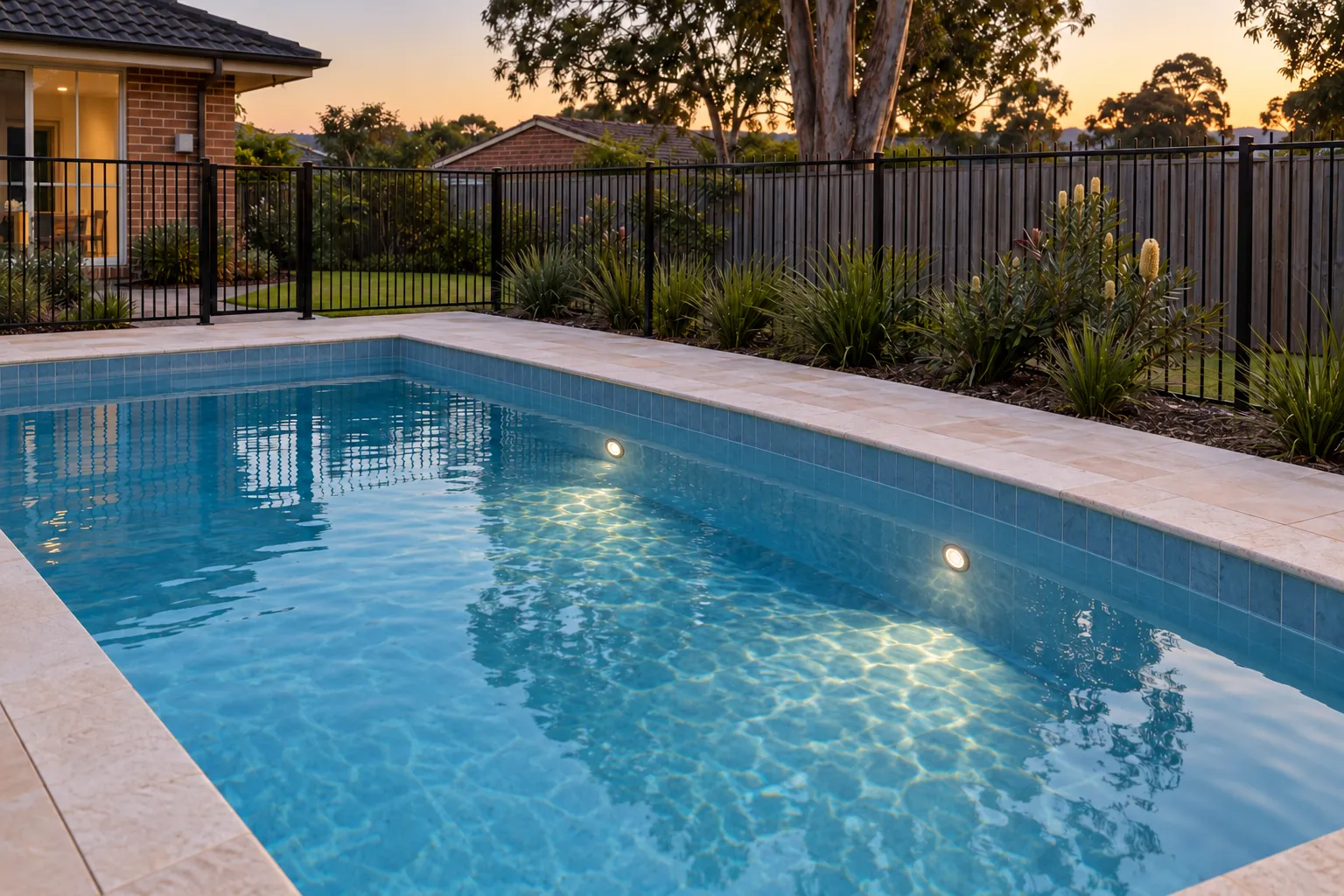
Underwater pool and spa lights use a low-voltage supply connected through a suitable transformer. The transformer and other electrical components must be installed in appropriate locations and protected from water exposure.
Other electrical equipment can include perimeter lighting, automation systems, timers, robotic cleaner chargers, motorised pool covers and outdoor power outlets. These components need suitable outdoor protection and must be positioned in accordance with applicable pool safety requirements.
When Are Dedicated Circuits Required for Pool and Spa Equipment?
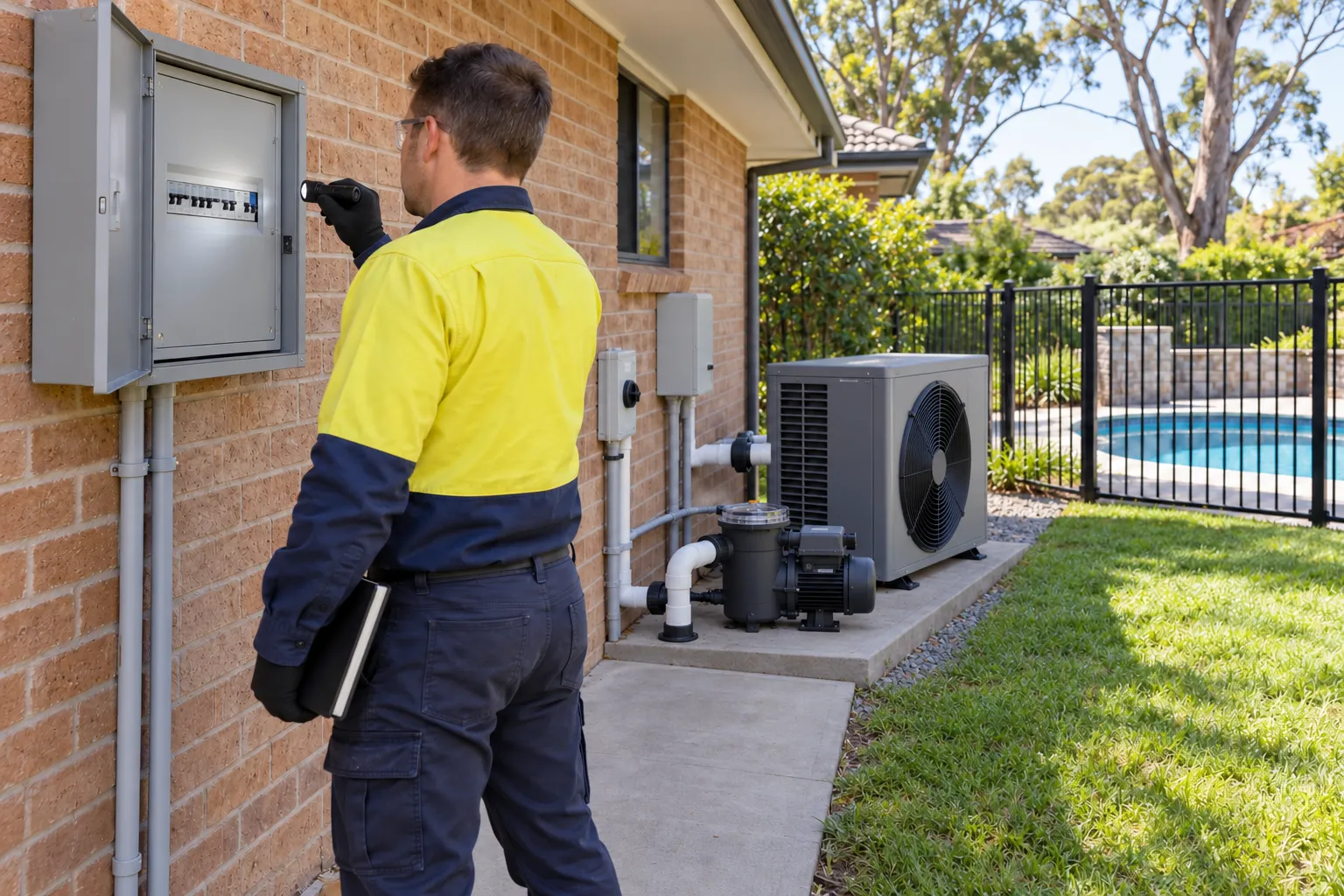
Pool and spa equipment can place a sustained load on a property's electrical system, making dedicated circuits important for many installations. A dedicated circuit supplies specific equipment without sharing the circuit with household appliances, helping reduce the risk of overloading, nuisance tripping and voltage drop.
The need for a dedicated circuit depends on the equipment's electrical load, operating requirements and manufacturer specifications. An electrician can assess the existing supply, circuit capacity and protection requirements before connecting new pool or spa equipment.
Equipment That Commonly Needs Dedicated Circuits
Dedicated circuits are commonly used for equipment such as:
- Pool and spa pumps: Filtration, circulation, booster and jet pumps can run for extended periods and may have higher starting currents.
- Heat pumps and electric heaters: These can draw substantial current and generally require a circuit sized specifically for the unit.
- Spa packs: Combined pump, blower and heating systems may require one or more circuits depending on their electrical ratings.
- Chlorinators and dosing systems: These may share a circuit with the circulation system where permitted by the equipment and installation requirements.
- Pool automation: Lower-load controllers and accessories may be connected to an appropriate pool equipment circuit rather than requiring a separate circuit.
When Existing Circuits May Be Suitable
Small, low-load equipment may not always require a dedicated circuit. However, an existing circuit should only be used after its capacity, protective devices, cable size and voltage drop have been assessed.
Where several pool or spa components operate at the same time, separate circuits can provide better load management and safer isolation. The final arrangement should follow the equipment manufacturer's requirements and applicable electrical standards.
What RCD, Isolation and Weather Protection Is Required?
Electrical equipment around pools and spas needs appropriate protection because water, moisture and electricity are in close proximity. RCD protection, suitable isolation and weather-resistant equipment all help reduce electrical risks and allow equipment to be safely maintained.
The requirements apply to new installations as well as alterations to existing pool or spa electrical systems. Older switchboards, wiring and outdoor equipment may need to be upgraded if they do not provide suitable protection.
RCD Protection
RCDs, commonly known as safety switches, help disconnect a circuit when an electrical fault is detected. Pool and spa equipment should be connected to circuits with the appropriate RCD protection in accordance with current electrical requirements.
RCDs should be accessible for testing and maintenance, with the relevant circuits clearly identified. Where an existing switchboard does not provide suitable protection, a switchboard upgrade may be required before new equipment is connected.
Equipment Isolation
Pool and spa equipment needs suitable means of isolation so power can be safely disconnected during maintenance or repairs. The isolation method depends on the type of equipment and its location.
Pumps, heaters, blowers, control equipment and transformers may require local isolation, with switches positioned where they can be accessed safely and identified clearly.
Weather and Moisture Protection
Outdoor pool equipment must be suitable for exposure to rain, humidity, water spray and, where applicable, saltwater. Enclosures, switches, connections and cable entries should provide appropriate protection for their location.
Equipment should also be positioned to avoid unnecessary water exposure and allow safe access for maintenance. Weatherproof fittings, sealed cable entries and corrosion-resistant components can help protect the installation from moisture and deterioration over time.
What Is Equipotential Bonding and When Is It Required Around a Pool or Spa?
Equipotential bonding connects accessible conductive parts around a pool or spa so they remain at a similar electrical potential. This helps reduce the risk of electric shock caused by voltage differences between metal fittings, reinforcing, fencing, plumbing and other conductive structures that a person may be able to touch while in or near the water.
When Is Pool and Spa Bonding Required?
Bonding requirements depend on the pool or spa design, the materials used and the location of conductive parts. Permanent pools and spas with metal structures, reinforcing, handrails, ladders, fencing, plumbing or other conductive components may require equipotential bonding in accordance with the applicable electrical requirements.
Bonding should be considered during the planning and construction stages, where reinforcing steel or other components will become inaccessible once concrete, paving or finishes are installed. A licensed electrician can determine which parts need to be bonded and verify that the completed bonding system provides the required continuity before the pool or spa is put into service.
WA Government guidance on pool bonding explains why conductive components need assessment and why bonding should be planned before construction begins.
What Electrical Safety Requirements Apply to Pool and Spa Lighting?
Pool and spa lighting needs careful planning because electrical fittings may be installed close to or within the water. Underwater lights must be designed for pool or spa use, with the correct voltage, protection and installation method selected for the location.
Underwater lighting is supplied through a suitable low-voltage system, with the transformer and other mains-connected equipment positioned in an appropriate location outside the relevant pool zones. Surrounding lights, switches and cabling must also be suitable for outdoor conditions and positioned to maintain the required separation from the water.
What Should Be Considered When Installing Pool Lighting?
Key electrical considerations include:
- Pool-rated fittings: Underwater lights should be designed and rated specifically for use in pools or spas rather than adapted from standard fittings.
- Safe equipment placement: Transformers, switches and other electrical components must be located in suitable positions away from water and protected from moisture and physical damage.
- Pool zone requirements: Lighting, cabling and connection points need to comply with the applicable clearance and installation requirements for their location.
- Weather and corrosion protection: Outdoor fittings should be suitable for rain, humidity and saltwater exposure.
- Safe controls: Switches, timers and automation equipment should be positioned where they can be accessed safely and protected from water.
- Maintenance: Damaged fittings, deteriorated seals, exposed wiring or signs of water ingress should be inspected by a licensed electrician before the lighting is used again.
An electrician can assess the lighting layout, electrical supply, transformer location and protection requirements before installation. Planning these details early can help avoid unsuitable equipment locations and costly changes after surrounding surfaces have been completed.
Can Pool and Spa Electrical Equipment Be Installed Outdoors?
Yes, pool and spa electrical equipment can be installed outdoors, provided the equipment, location and installation method are suitable for outdoor conditions and comply with applicable electrical requirements. Pumps, heat pumps, control equipment and transformers are commonly installed outside, but they must be positioned to minimise exposure to water and allow safe access for servicing.
Outdoor equipment needs appropriate protection from rain, water spray, humidity, corrosion and physical damage. The manufacturer's requirements should also be followed for heat pumps that need adequate airflow and clearance around the unit. Cable entries, connections, enclosures and isolators must be suitable for the conditions in which they are installed.
The location also needs to account for the electrical zones and clearance requirements around the pool or spa. Equipment should not be placed where water can collect around it or where it could be easily contacted by someone in the pool. Planning the equipment area early can help maintain safe clearances and avoid costly relocation after paving, fencing or landscaping is completed. Coordinating outdoor electrical planning with the surrounding entertaining area can help identify suitable locations for lighting, outlets and other electrical equipment early.
What Electrical Requirements Apply to Pool Heaters and Heat Pumps?
Pool heaters and heat pumps can add a load to a property's electrical system when they operate alongside pumps, filtration, lighting and other high-demand appliances. Their electrical requirements depend on the type and size of the unit, its rated current and the manufacturer's specifications.
Heat pumps and electric heaters require appropriately sized circuits rather than connection to a standard household power outlet. The cable, protective device and isolation arrangement must suit the equipment and installation conditions, while the existing switchboard and electrical supply should be checked to ensure there is sufficient capacity.
Heat Pumps vs Electric Heaters
Heat pumps use less electrical power than electric element heaters, but they can operate for extended periods and have compressor starting characteristics that need to be considered when selecting the circuit. Electric heaters can have higher electrical demands and may have a greater impact on the property's maximum demand.
Before installation, the electrician should assess:
- The unit's rated and maximum current
- Required cable size and circuit protection
- Manufacturer requirements for isolation and connection
- Existing switchboard capacity and available circuits
- Other high-load equipment operating at the property
- The location and outdoor conditions around the unit
Most pool heat pumps and heating systems are designed for outdoor installation, but they still need adequate airflow, suitable clearances and protection from excessive water exposure. Electrical connections and isolation equipment must also be suitable for the outdoor environment around saltwater pools.
A larger electrical supply is not automatically required when pool heating is added. If the existing installation has sufficient capacity, the new equipment may be accommodated without a supply upgrade. Where maximum demand is already high, however, a switchboard upgrade, increased supply capacity or potentially a three-phase connection may need to be considered.
How Should Electrical Cables and Wiring Be Installed Around Pools and Spas?
Electrical cables around pools and spas need to be planned because they are exposed to water, moisture, outdoor conditions and potential physical damage. Wiring routes and installation methods must comply with the applicable Wiring Rules, while the cable type, protection and installation depth depend on where the wiring is located.
Steps for Pool and Spa Wiring
- Plan the cable route early: Wiring should maintain the required separation from the pool or spa and avoid areas likely to be affected by landscaping, paving, decking, gardening or future construction.
- Use suitable protection: Underground and exposed cables may require conduit or other mechanical protection depending on the installation conditions. Cables should be secured to prevent abrasion, impact and damage from nearby equipment.
- Protect connections from moisture: Cable entries, junctions and connections should use suitable glands, conduits, seals and enclosures to limit water and moisture entering electrical components. Saltwater pools may also require corrosion-resistant materials and fittings.
- Check the installation before finishing work: Wiring should be inspected before paving, landscaping or other structures make concealed cables difficult to access. Existing installations should also be checked when pool equipment is upgraded or surrounding areas are altered.
Professional electricians can assess cable routes, underground wiring, protection and connection points before installation begins. Early planning can help prevent damage to concealed wiring and avoid costly changes once the pool area is complete.
When Does a Pool or Spa Installation Require a Power Supply Upgrade?
A pool or spa does not automatically require a power supply upgrade, but additional equipment can increase a property's electrical demand. Pumps, heat pumps, electric heaters, lighting and other equipment need to be considered alongside the home's existing appliances and available supply capacity.
An upgrade may be needed where:
- The pool or spa includes a high-demand electric heater or heat pump.
- Multiple pumps, blowers or other equipment will operate at the same time.
- The existing switchboard has limited capacity or no space for additional circuits.
- The property already has high electrical loads like air conditioning, EV charging or electric cooking.
- Existing circuits or the main supply are already operating close to their capacity.
When Is Three-Phase Power Needed?
Some larger pool and spa installations may require additional supply capacity, which can sometimes involve upgrading to three-phase power. This depends on the calculated maximum demand, the property's existing supply and the requirements of the proposed equipment.
Older switchboards may also need upgrading to provide suitable circuit protection, additional circuit capacity and space for new pool or spa equipment. Any changes to the incoming supply may require approval from the relevant electricity distributor, so the electrical capacity should be assessed before equipment is purchased or installation begins.
When Should a Licensed Electrician Inspect Existing Pool or Spa Electrical Work?
Existing pool or spa electrical work should be inspected when there are signs of damage, repeated electrical faults, changes to equipment or uncertainty about the condition of the installation. Older systems may have deteriorated wiring, outdated switchboards, damaged fittings or protection that no longer suits the equipment in use.
An inspection is also recommended before upgrading pool equipment, renovating the surrounding area or purchasing a property with an existing pool or spa. Checking the electrical system early can identify problems before new equipment, paving, decking or landscaping makes repairs more difficult or costly.
When Is an Electrical Inspection Recommended?
An electrician should assess the installation if there is:
- Repeated tripping of circuit breakers or RCDs
- Flickering pool lighting or equipment that stops unexpectedly
- Damaged cables, switches, outlets or enclosures
- Corrosion, cracked covers, deteriorated seals or signs of water entry
- Buzzing, burning smells or unusual heat from electrical equipment
- Older wiring, switchboards or equipment with an uncertain installation history
- New pumps, heaters, heat pumps or lighting being added
- Renovations that could affect cable routes, equipment locations or pool clearances
Pool electrical systems should also be checked after significant changes to the surrounding area, such as new paving, decking, fencing or landscaping.
A safe and compliant pool or spa installation requires more than connecting the equipment to power. Pumps, heaters, lighting and other electrical components need appropriate circuits, protection, bonding, cabling and equipment placement to meet applicable safety requirements and perform reliably around water.
Allround Electrical can assist with the electrical requirements of pool and spa installations, including switchboard upgrades, equipment connections, safety devices, cabling and compliance checks. Proper planning and professional installation can help reduce electrical risks and ensure the pool or spa remains a safe and reliable part of the property for years to come.