
August 17, 2026
Why Do LED Downlights Flicker? Common Causes and When to Call an Electrician
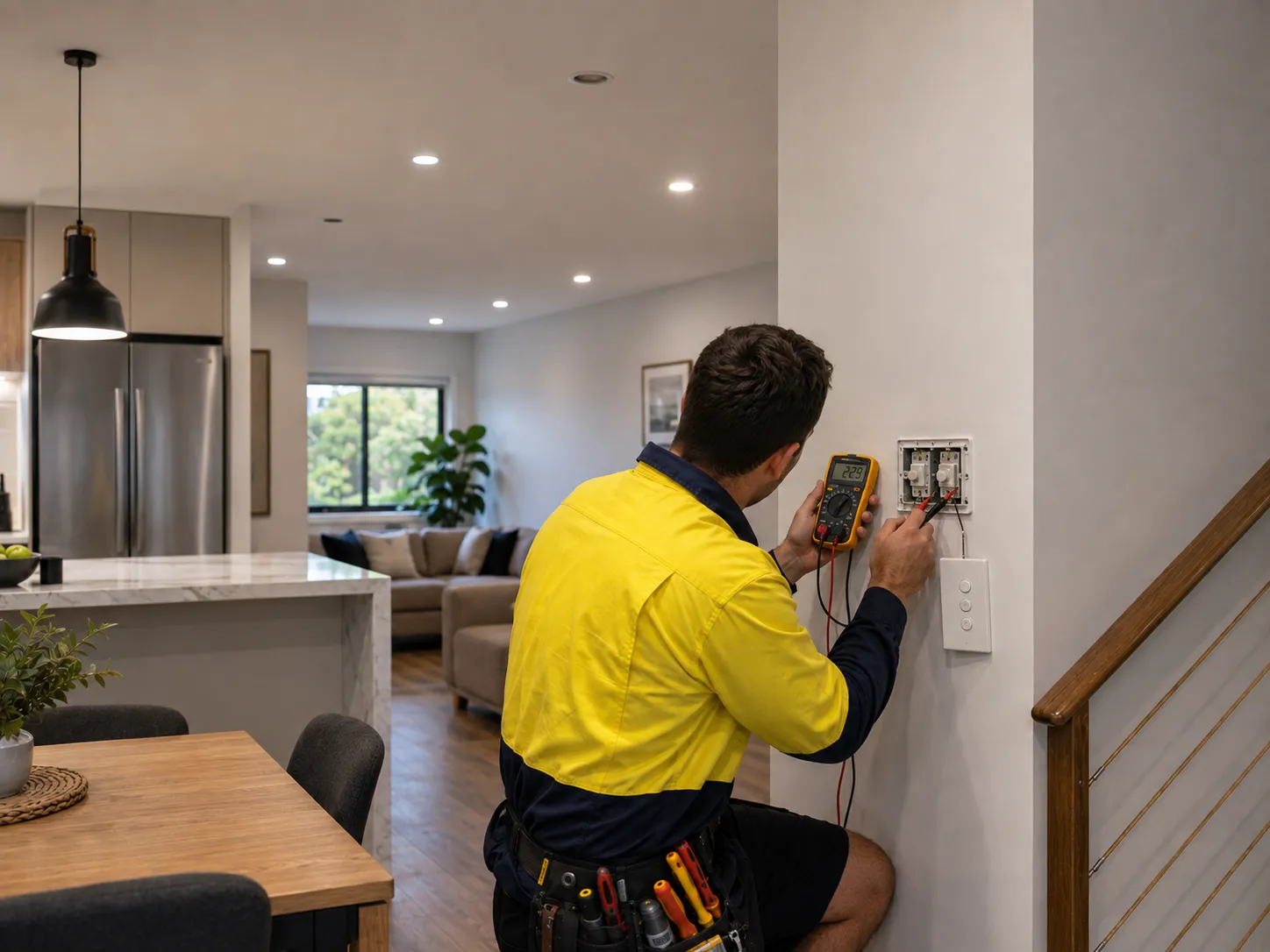
Flickering LED downlights are more than just an inconvenience. While a failing LED globe may cause an occasional flicker, persistent or widespread flickering can indicate underlying issues with drivers, dimmer switches, wiring or the power supply. Knowing when the problem is minor and when it requires an electrician in Wollongong is important for maintaining safe, reliable and efficient lighting.
Allround Electrical helps homeowners identify the cause of flickering LED downlights and provide the right solution, whether the issue stems from faulty components, incompatible dimmers, loose electrical connections or voltage fluctuations.
The article below outlines the most common causes, the checks that can be carried out safely and the warning signs that indicate professional electrical attention is needed.
Common Causes of Flickering LED Downlights
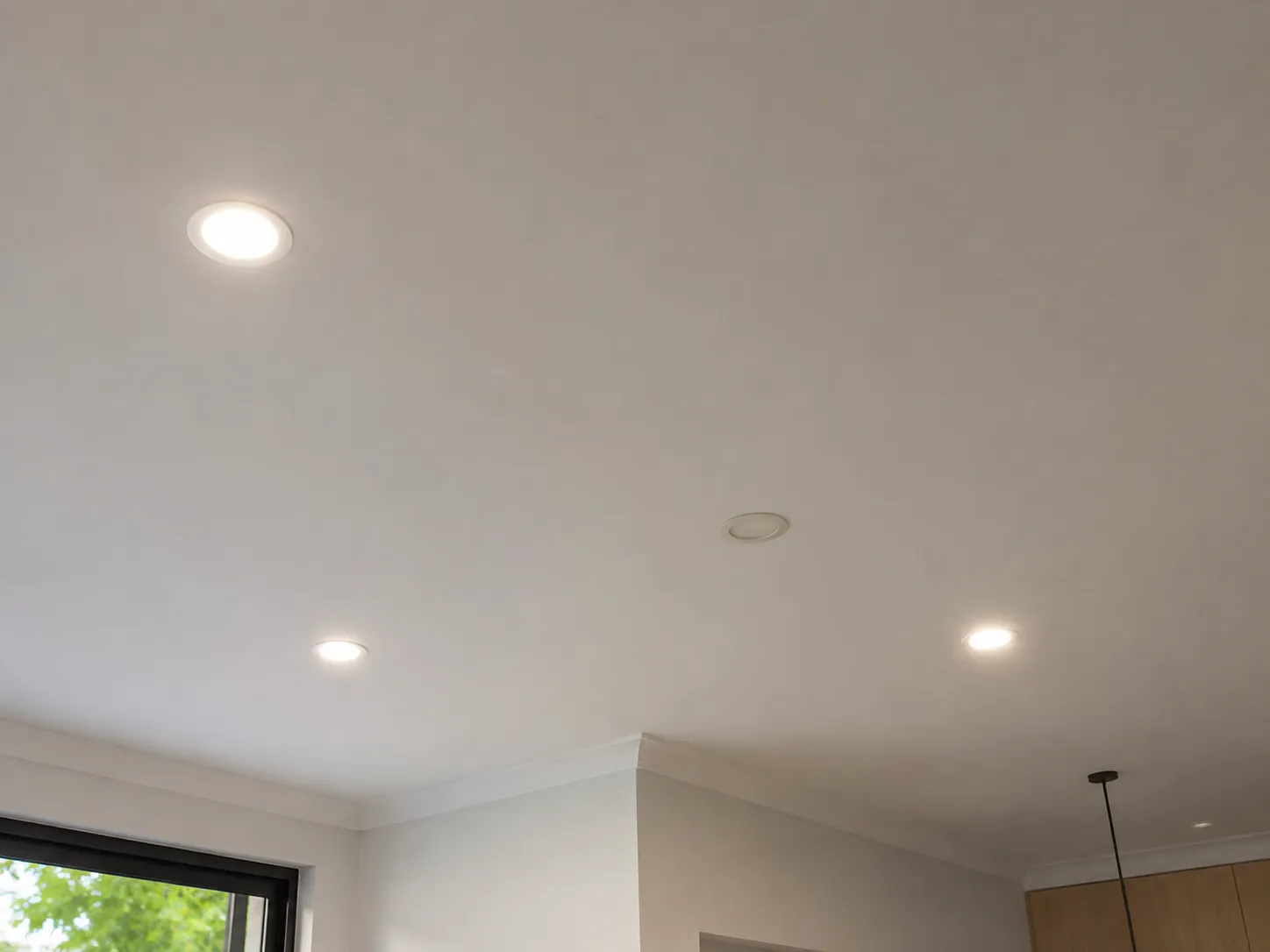
LED downlights rely on compatible components and a stable electrical supply to operate correctly. When one part of the lighting system begins to fail or receives inconsistent power, flickering is often the first noticeable symptom. While some issues affect only a single fitting, others may indicate a fault elsewhere in the electrical installation.
The most common causes of flickering LED downlights include:
- Failed LED globes or drivers
- Incompatible or faulty dimmer switches
- Loose electrical connections
- Circuit overloads
- Supply voltage fluctuations
The following sections explain how each of these issues can affect LED downlights, the warning signs to look for and when professional electrical assistance is recommended.
Failed LED Globes and Drivers
Failed LED globes and drivers are among the most common causes of flickering downlights. As these components age or are exposed to excessive heat and electrical stress, they can struggle to regulate power consistently, resulting in flickering, pulsing or intermittent operation. Oftentimes, the problem is isolated to a single fitting, although multiple lights may be affected if they share the same driver.
Signs of a Failing Globe or Driver
Several symptoms can indicate that an LED globe or driver is nearing the end of its service life, including:
- Flickering that affects only one downlight while others remain stable
- Flickering that becomes worse after the light has been on for several minutes
- Sudden changes in brightness or brief flashing when switched on or off
- Multiple downlights connected to the same driver flickering together
- Lights switching off and working again after they have cooled
- Buzzing or humming coming from the fitting or driver
Heat is one of the biggest contributors to premature LED failure. Downlights installed in poorly ventilated ceiling spaces or enclosed fittings can overheat, shortening the lifespan of both the LED chips and the driver. Low-quality or non-compliant products are also more susceptible to early failure.
Compatibility issues can produce similar symptoms. Using incompatible drivers, mixing different LED globes on the same driver or pairing LED downlights with older halogen dimmers can all cause unstable light output, flickering and poor dimming performance.
If replacing the globe with a compatible, known-working LED does not resolve the issue, or if several downlights continue to flicker together, the driver or wiring should be inspected. Testing can confirm whether the driver needs replacement or whether another electrical fault is responsible.
Incompatible or Faulty Dimmer Switches
Incompatible or failing dimmer switches are one of the most common causes of flickering LED downlights. Many older dimmers were designed for halogen or incandescent lighting and cannot properly control the lower wattage and electronic drivers used in modern LEDs. This often results in flickering, uneven dimming or lights that do not operate as expected.
Common Signs of a Dimmer Problem
A dimmer switch may be incompatible or developing a fault if you notice:
- Flickering that occurs mainly at low or mid-dimmer settings
- Lights that dim unevenly or drop out before others
- Downlights that glow faintly after being switched off (ghosting)
- Flickering even when the dimmer is set to full brightness
- Buzzing or humming from the dimmer or light fitting
- A dimmer plate that becomes unusually warm during use
These symptoms may be caused by an outdated dimmer, an internal fault or a mismatch between the dimmer, LED drivers and downlights.
Loose Connections, Circuit Overloads and Supply Fluctuations
Flickering LED downlights are not always caused by the fittings themselves. Problems within the electrical circuit, including loose connections, overloaded circuits and unstable supply voltage, can interrupt the power reaching the lights and cause persistent flickering. These faults may also indicate more serious electrical issues that should be professionally investigated.
Loose or Poor Electrical Connections
Loose connections at a downlight, switch, junction box or circuit breaker can interrupt the flow of electricity, causing lights to flicker or operate intermittently. On some occasions, you may also notice buzzing, crackling or flickering that affects only one or two fittings. Because loose connections can create heat and electrical arcing, they should be inspected and repaired by a licensed electrician as soon as possible.
Circuit Overloads
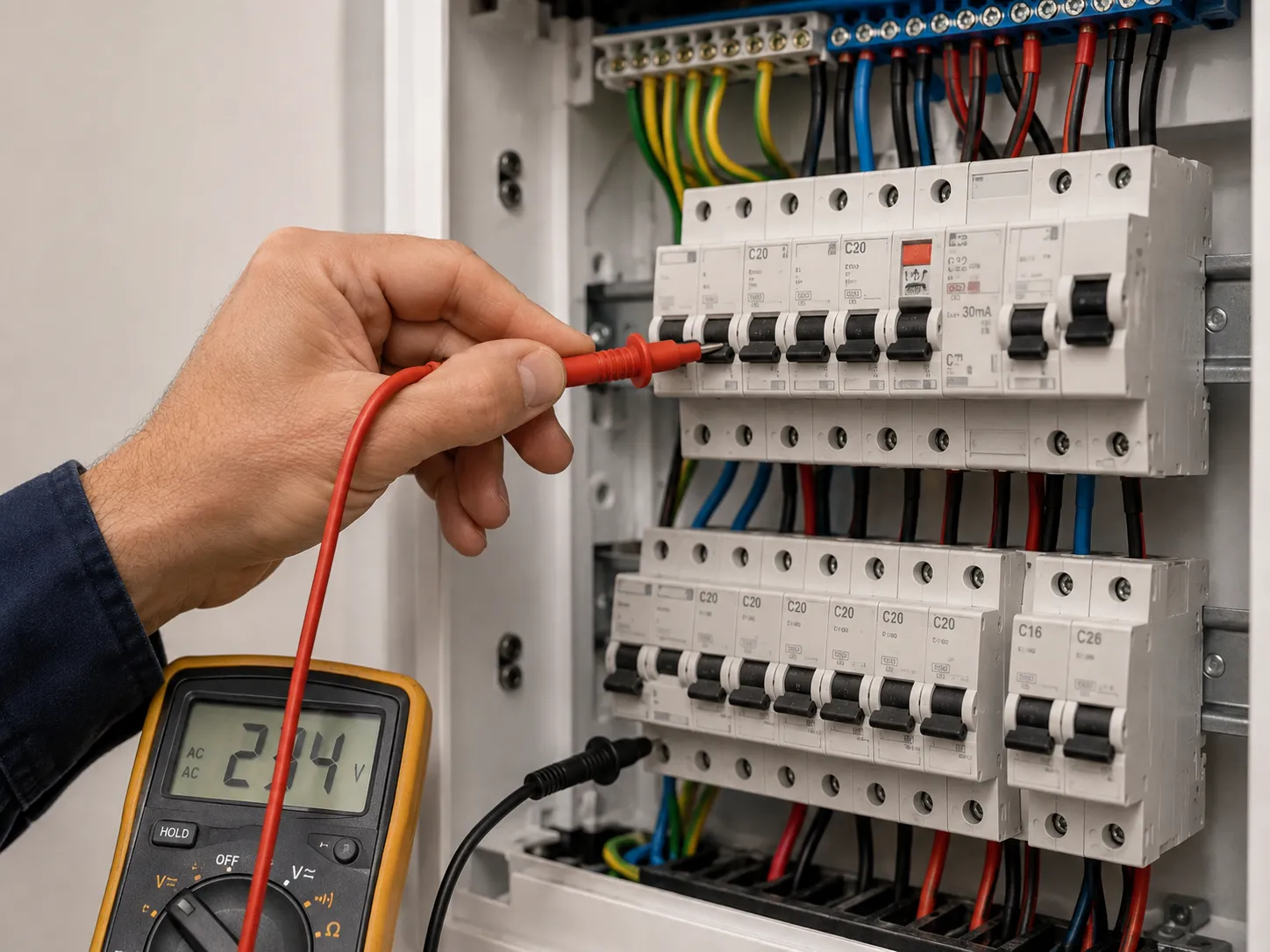
When too many lights or high-demand appliances share the same circuit, temporary voltage drops can occur, causing LED downlights to dim or flicker. This is often most noticeable when appliances such as air conditioners, kettles or heaters are switched on. If flickering is accompanied by frequently tripping circuit breakers, an electrician should assess the circuit load and determine whether upgrades or redistribution are required.
Other warning signs of overloaded circuits can include repeated tripping, buzzing, overheating and lights dimming when high-demand appliances start.
Supply Voltage Fluctuations
LED downlights rely on a stable power supply to operate correctly. If multiple lights flicker throughout the home or the problem occurs regularly, the fault may lie within the property's electrical system or the incoming mains supply. A licensed electrician can inspect the switchboard, test the electrical installation and determine whether the issue is internal or requires investigation by the electricity distributor.
Why Ignoring Flickering LED Downlights Can Be Dangerous
While the cause may be as simple as a failing globe or incompatible dimmer, persistent flickering can also indicate loose wiring, a faulty driver, circuit overload or an unstable power supply. Leaving these problems unresolved may allow the fault to worsen, increasing repair costs and potentially creating a safety risk.
Depending on the underlying cause, ongoing flickering can lead to:
- Progressive electrical faults, including loose connections that generate heat or electrical arcing
- Overheating that damages LED drivers, wiring insulation and light fittings
- Premature failure of LED globes and other lighting components, resulting in more frequent replacements
- Circuit breakers tripping or lights becoming increasingly unstable
- An increased risk of electrical fire if damaged wiring or overheating is left unattended
The lighting should be inspected if flickering becomes more frequent, affects multiple downlights or is accompanied by buzzing, burning smells, excessive heat or visible damage. Some electrical warning signs require more urgent attention, particularly where flickering occurs alongside heat, smoke, sparks or a burning smell. Identifying and repairing the underlying cause early is usually safer, more reliable and more cost-effective than waiting for a larger electrical fault to develop.
Safe Checks to Make Before Calling an Electrician
Before arranging an electrical inspection, there are a few simple checks that may help identify an obvious cause of flickering LED downlights. These checks should only involve parts that are safe to access. Never remove fittings, access wiring or open the switchboard. If there is a burning smell, buzzing, excessive heat or visible damage, switch the light off and contact a licensed electrician immediately.
Following appropriate electrical safety at home is particularly important because electrical installation work should only be carried out by a licensed electrician.
You can safely check the following:
- Inspect the LED globe or fitting. Make sure the globe is correctly seated if it is user-replaceable. If only one downlight flickers while others remain stable, replacing the globe with a compatible, quality LED may resolve the issue.
- Observe when the flickering occurs. If the lights only flicker while dimmed, an incompatible or faulty dimmer may be the cause. Note whether the problem occurs at certain dimming levels or after new lighting controls have been installed.
- Check whether other lights are affected. If multiple downlights or lights in different rooms flicker, the issue is more likely related to the electrical circuit or power supply than a single fitting.
- Notice whether appliances affect the lights. Flickering that occurs when high-power appliances such as kettles, heaters or air conditioners are switched on may indicate voltage fluctuations or an overloaded circuit.
Recording when the flickering occurs, which lights are affected and whether it is linked to dimmers or other appliances can help diagnose the fault more quickly and accurately.
When Flickering Downlights Require an Electrician
While some flickering can be caused by a loose globe or an incompatible dimmer, persistent or widespread flickering should always be professionally assessed. Electrical faults are not always visible and attempting to investigate wiring or replace hard-wired components can be unsafe. A licensed electrician can identify the underlying cause and carry out repairs that comply with Australian electrical standards.
Prompt attention can prevent further damage to the lighting system, reduce the risk of electrical hazards and ensure the installation continues to operate safely and reliably.
Why Professional Diagnosis Is Important
Many LED downlight faults produce similar symptoms, making it difficult to identify the true cause without proper testing. While flickering may appear to be caused by a faulty globe or dimmer, the underlying issue could be a failing driver, loose wiring, circuit overload or unstable power supply. Replacing components without confirming the source of the problem can result in unnecessary expense while allowing the fault to persist.
A licensed electrician uses specialised testing equipment to assess the lighting circuit, electrical connections and power supply rather than relying on guesswork. This allows the underlying fault to be identified accurately, reducing unnecessary replacements and ensuring repairs address the actual cause of the flickering.
Professional diagnosis also helps confirm that the electrical installation remains safe and complies with current Australian electrical standards. Identifying loose connections, overloaded circuits or deteriorating wiring early can prevent more serious faults, extend the lifespan of the lighting system and restore reliable performance.
How to Prevent LED Downlight Flickering in the Future
While some LED downlight flickering occurs as components naturally age, many issues can be prevented through quality products, correct installation and routine maintenance. Choosing compatible components and addressing minor problems early helps keep LED downlights operating reliably and reduces the risk of recurring electrical faults.
Choose Quality LED Downlights and Drivers
Using quality LED downlights and compatible drivers is one of the best ways to reduce future flickering. Reputable products are generally built with better electronic components, provide more stable light output and manage heat more effectively than lower-quality alternatives.
Choosing quality energy-efficient lighting can also reduce household energy use while providing a longer service life than older halogen technology. When replacing downlights or drivers, always choose products that are designed to work together and comply with Australian standards.
Use Compatible Dimmers
Many flickering problems occur because LED downlights are paired with incompatible or outdated dimmer switches. Using an LED-compatible dimmer with the correct load rating and following the manufacturer's compatibility recommendations helps ensure smooth dimming and consistent light output while reducing unnecessary stress on LED drivers.
Maintain the Electrical System
A reliable electrical supply is just as important as quality lighting components. Loose connections, ageing wiring and overloaded circuits can all contribute to flickering. Having the electrical system inspected during renovations or when recurring electrical issues develop can help identify potential problems before they affect the lighting.
Address Problems Early
Occasional flickering should not be ignored, even if it disappears after a short time. Replacing a failing globe, driver or dimmer before it completely fails can prevent further damage and reduce the likelihood of more expensive repairs later.
Reliable LED downlights should provide consistent illumination without flickering, dimming or unexpected interruptions. When these problems occur, they often indicate anything from a simple component failure to a more significant electrical issue. Acting promptly can help prevent unnecessary damage, extend the lifespan of the lighting system and reduce the risk of more costly repairs or potential safety hazards.
Taking a preventative approach helps reduce the likelihood of recurring flickering while extending the lifespan of LED downlights and associated electrical components. Using quality products, ensuring compatibility and addressing small faults promptly can improve both lighting performance and long-term reliability.
LED downlights are designed to provide reliable, energy-efficient lighting, so persistent flickering should never be considered normal. While some issues can be traced to a failing globe or incompatible dimmer, ongoing flickering may indicate problems with drivers, wiring, circuit loading or the power supply. Addressing the cause early helps prevent unnecessary damage, extends the lifespan of the lighting system and reduces the risk of more serious electrical faults.
Allround Electrical provides professional fault-finding and electrical repairs to identify the cause of flickering LED downlights and recommend the most effective solution. Whether the issue involves faulty drivers, incompatible dimmers, loose wiring or circuit faults, their licensed electricians can restore safe, reliable lighting and ensure the installation continues to comply with Australian electrical standards.