
May 4, 2026
Home EV Charger Installation in Wollongong: Costs, Requirements and What to Know
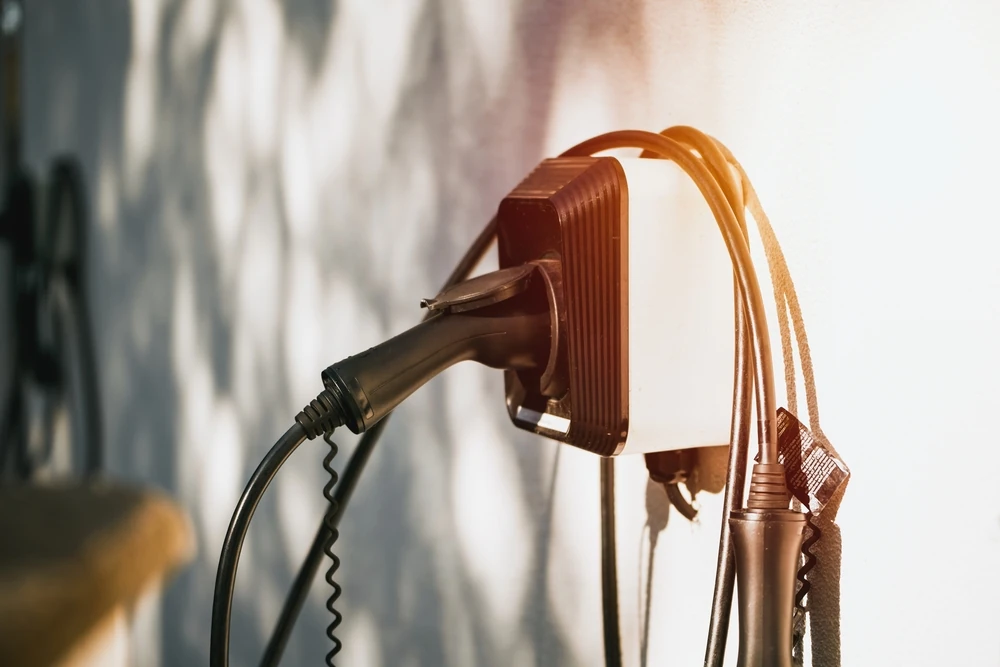
As electric vehicle adoption continues to grow, the need for reliable and convenient home charging becomes a practical priority for many households. EV charger installation in Wollongong transforms a garage or driveway into a dependable charging point, reducing reliance on public infrastructure while offering greater control over daily energy use and running costs. Allround Electrical guides what is involved in the installation process, including how local network requirements, property layout and existing electrical capacity influence the most suitable solution.
This article outlines the full scope of a home EV charger installation, from initial assessment through to commissioning and compliance. It explains how installation costs are determined, what factors can increase or reduce pricing and how to plan for future energy demands as EV technology evolves. Key safety considerations, New South Wales regulatory requirements and charger selection options are also explored, providing a clear understanding of what is required to achieve a safe, efficient and future-ready installation.
What Home EV Charger Installation Involves
Home EV charger installation is more involved than simply mounting a unit on a wall. It includes assessing the home’s electrical capacity, choosing the correct charger type and location, upgrading wiring where needed and completing compliance checks so the system is safe and legal in New South Wales. Understanding each stage helps avoid delays, unexpected costs and potential safety issues.
Most installations are straightforward, but older homes or homes with high existing electrical loads may need switchboard or cabling upgrades before a charger can be installed and energised.
Site & Electrical Assessment
Installation begins with a detailed inspection of the property. The electrician checks the switchboard size and condition, metre position, earthing and existing safety devices such as RCDs and circuit breakers. The main supply size is confirmed to see if it can support an additional 7 kW or 11 kW EV charger without overloading.
The preferred charger location is then identified, typically a garage wall or carport close to where the vehicle is parked. The installer considers cable runs through walls or ceilings, ventilation clearance around the charger and safe cable management so charging leads do not create trip hazards.
Load calculations are carried out to factor in other large appliances like air conditioning, pool pumps, induction cooktops and electric hot water. In some homes, this is what determines whether a standard 32 A charger is suitable or whether load management or a lower-capacity unit is required.
Switchboard, Cabling & Safety Upgrades
Once the design is confirmed, the electrician installs the dedicated circuit needed for the EV charger. This usually includes a new circuit breaker, a correctly sized cable from the switchboard to the charger and RCD or RCBO protection in line with Australian standards.
If the switchboard is outdated or full, it may need a partial or full upgrade to a modern enclosure with safety switches. Older homes in suburbs often have rewirable fuses, which are not suitable for high-current EV circuits and must be replaced.
Cabling is routed from the switchboard to the mounting point using conduit or suitable protection. For detached garages or long driveways, this can involve underground trenching or surface conduit along external walls. The installer must also ensure compliant earthing and correct cable sizing to minimise voltage drop over longer runs.
Mounting, Connection & Commissioning
After the electrical work is prepared, the charger unit is mounted securely at an appropriate height with clear access for the charging cable. Hard-wired units are then connected to the dedicated circuit and all terminations are tightened and checked.
The installer tests insulation resistance, earth fault protection, circuit breaker operation and RCD trip times. The charger is powered up and commissioning is carried out, which may include connecting the unit to Wi‑Fi, setting current limits and updating firmware.
A test charge is performed using the vehicle or a test device to confirm correct operation. Compliance documentation test results and, where required, a Certificate of Compliance for Electrical Work are completed to meet NSW regulations and to support any manufacturer warranty or insurance requirements.
What Affects the Cost of Installation
The cost of installing a home EV charger can vary from one property to another. Pricing is driven less by the charger itself and more by the electrical capacity of the home, the distance and difficulty of running cabling and any extra safety or compliance work required to meet proper standards.
Understanding the key cost drivers helps set realistic expectations and avoids surprise additions during quoting or installation.
Type of Charger and Power Rating
The choice between a standard “Level 2” wall charger and a simple upgrade to a dedicated 15 A socket is a primary factor. A hard‑wired wall charger usually costs more to supply and install but offers faster charging and smarter features.
Higher power output, such as 7 kW or 11 kW, typically means:
- Thicker cabling
- Larger circuit breakers
- More load on the switchboard
These all add to material and labour costs. Single-phase homes usually install up to 7.4 kW, while three-phase properties can support higher outputs but may require extra work to configure safely.
Cable Run Length and Installation Complexity
The physical layout of the property has a direct impact on price. The longer and more difficult the cable run from the switchboard to the parking location, the higher the labour and material cost.
Key factors include:
- Distance from switchboard to garage or driveway
- Need to run cable through the roof space under the floors or through the walls
- Requirement for trenching to detached garages or carports
- Use of surface‑mounted conduits to protect cabling outdoors or in exposed areas
A short internal run to an attached garage is usually at the lower end of the cost range, while long external runs with trenching or complex access can add significantly.
Additional Safety Devices and Smart Features
Installation cost is also affected by the protective devices and features selected. Some EV chargers require a separate Type B RCD or dedicated isolation switch, increasing hardware costs. Smart chargers that integrate with solar PV or off‑peak tariffs may need extra configuration, CT clamps, or communication cabling.
Many EV owners choose to coordinate charging with rooftop solar. Integrating the charger with existing solar and monitoring systems can add modest setup time to the installation but can reduce ongoing running costs.
Electrical Requirements, Switchboard Capacity and Charger Location
A home EV charger is one of the highest-demand appliances in a household, so the electrical setup must be assessed carefully before installation. The key considerations are whether the existing wiring and switchboard can safely handle the extra load and where the charger can be positioned to meet safety rules and day-to-day practicality.
Attention to these details early in the process helps avoid nuisance tripping, overheating cables and costly rework. It also ensures the installation meets Australian standards and local supply authority requirements in the Illawarra region.
Meeting Australian Electrical Standards
Home EV chargers in Australia must comply with AS/NZS 3000 (Wiring Rules) and the charger manufacturer’s specifications. In practical terms, this usually means a dedicated circuit from the switchboard using the correct cable size and protection.
Most Level 2 chargers for home use are 7 kW single-phase units requiring a 32 A circuit. Some homes with 3-phase supply may opt for 11 kW or 22 kW chargers, which need higher current and 3-phase cabling. The cable type, installation method and distance from the switchboard to the charger all affect the required cable size to keep voltage drop within limits.
Checking Switchboard Capacity and Supply Limits
Many older homes have switchboards designed for much lower demand than a modern EV charger. Before installation, the electrician will:
- Confirm the property supply and main fuse rating
- Calculate the total load, including hot water, air conditioning, pool pumps and ovens
- Check the space in the switchboard for additional breakers and RCDs
In strata or apartments, the building’s common supply and metering arrangements must also be reviewed and in some cases, approval from the owners' corporation is required.
Choosing the Best Charger Location
Wollongong’s coastal climate with salt air and moisture makes charger placement important. Outdoor chargers must be suitably weather-rated and mounted under cover where possible to reduce exposure to rain and direct sun. A solid wall in a garage or carport is usually ideal.
Practical points include:
- Short cable run from the switchboard to reduce cost and voltage drop
- Convenient reach of the charging lead to the EV charge port without creating trip hazards
- Adequate clearance from driveways, gates and moving vehicles
- Good ventilation and space around the unit as required by the manufacturer
Locating the charger on a shared boundary or common area may trigger additional rules or require consent.
Choosing the Right Charger for Your Home
Selecting the right home EV charger comes down to matching charging speed with daily driving habits, the type of EV, the home’s electrical capacity and budget. The goal is to charge safely and efficiently overnight without overspending on capacity that will never be used.
For most households, a dedicated AC charger is the best choice. Within that category, decisions revolve around charging power (kW), smart features, plug type and suitability for the property layout and switchboard.
Level 1 vs Level 2: What Actually Suits a Wollongong Home
Level 1 charging uses a standard 10 A power point and typically delivers around 2 to 2.4 kW. This adds roughly 8 to 12 km of range per hour, which may be too slow for drivers commuting longer distances between Wollongong and Sydney or regularly using the motorway.
Level 2 charging uses a dedicated 16 A or 32 A circuit on single-phase or three-phase power and is the practical choice for most homes:
- 7.2 kW (single-phase 32 A) typically adds 30 to 40 km of range per hour
- 11 kW or 22 kW (three-phase) suits homes with a three-phase supply and EVs that can accept higher AC rates
For many, a 7.2 kW single-phase charger provides a full overnight charge even from a low battery and is often the best balance of cost and performance.
Smart Features, Cable Options and Weather Considerations
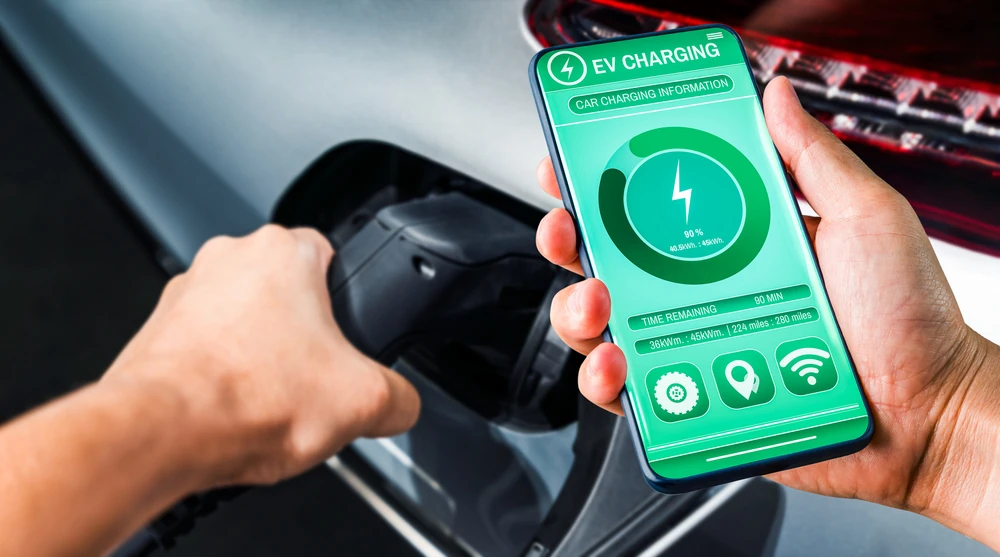
Smart chargers connect via Wi-Fi or Ethernet and allow scheduling to off-peak times on Ausgrid or Endeavour Energy time-of-use tariffs. App control also enables monitoring of energy use and costs, which is valuable for households tracking EV running costs against petrol.
Tethered chargers with a fixed cable are convenient for daily use, while socket-only chargers use the vehicle’s portable cable and look neater on the wall. The driveway layout and parking position should guide cable length and whether front or rear charging ports on the vehicle are easier to reach.
Safety, Compliance and Things to Consider Before Installation
Safety and compliance are not optional extras for a home EV charger. They determine whether the charger performs reliably, protects the home from electrical faults and meets legal requirements under NSW regulations and Australian standards. Before any charger is chosen or installed, it is essential to understand the condition of the existing electrical system, the approvals required and the safety features that must be in place.
A properly specified and compliant installation reduces fire risk, prevents nuisance tripping and helps avoid costly upgrades later. Attention to cable sizes, protection devices, earthing and ventilation all matter more with EV chargers because of the sustained high current involved.
Electrical Capacity, Safety Devices and Home Suitability
Before installation, the switchboard and supply need assessment. Checks typically include:
- Main supply size, for example, 63 A or 80 A single-phase or three-phase
- Existing load from hot water, air conditioning, ovens and pool pumps
- Condition and space within the switchboard for new protection devices
If the home has an old fuse board or no safety switches, an upgrade is often required before adding an EV charger. Most modern chargers require:
- A dedicated circuit from the switchboard
- Appropriately rated cable sized for distance and load
- A circuit breaker and RCD or RCBO, often Type A or Type B, depending on charger design
Without a dedicated circuit, there is a higher risk of nuisance tripping or overheating shared wiring, particularly in hot summers.
Location, Cable Routeing and Practical Considerations
The charger location affects safety and cost. The unit should be mounted on a solid wall or stand protected from direct weather as per its IP rating and away from areas prone to impact from vehicles. Sufficient clearance is needed for the charging cable to reach the vehicle without stretching across walkways where it can create a trip hazard.
Cable runs should be as short and direct as possible to minimise voltage drop and reduce cable size requirements. External runs may need UV-resistant conduit and mechanical protection, especially in coastal parts of Wollongong, where salt exposure accelerates corrosion.
Ventilation around the charger is important even for units rated for outdoor use. Avoid enclosed cupboards unless specifically allowed by the manufacturer. Where solar or battery systems are installed, charger settings and load management features should be configured so that the total demand does not exceed the home supply rating.
A well-planned installation considers electrical capacity, switchboard condition, cable routeing and compliance with Australian standards, ensuring the system operates reliably under sustained load conditions. Careful selection of charger type, power rating and smart features further supports efficient day-to-day charging while accommodating future household and vehicle requirements. As EV uptake continues to accelerate, homes equipped with compliant and future-ready charging infrastructure will remain well-prepared for evolving energy demands.