
September 11, 2026
How Much Does an Emergency Electrician Cost?

When an electrical fault causes a sudden power failure, burning smell or other warning signs, prompt assistance may be needed. For property owners searching for an emergency electrician in Wollongong, knowing what affects the cost can make urgent repairs easier to arrange. Allround Electrical provides emergency electrical services when waiting until normal business hours is not a safe option.
Emergency electrician costs can vary depending on the callout fee, labour rate, time of day, required parts and complexity of the fault. Nights, weekends and public holidays may also attract higher charges, while difficult access or extensive repairs can increase the final cost.
Understanding these factors helps property owners know what to ask before work begins, assess whether emergency attendance is necessary and avoid unexpected costs while addressing urgent electrical problems.
What Does an Emergency Electrician Callout Fee Cover?
An emergency electrician callout fee is the upfront charge for attending a property urgently, often outside standard business hours. It covers travel, an initial assessment, fault finding and a set amount of labour, although inclusions vary between providers.
The callout fee is not usually the total cost of the repair. Additional labour, replacement parts or more extensive work may be charged separately, so it is worth confirming what the initial fee includes before work begins.
What Is Usually Included?
An emergency callout fee may cover:
- Travel to the property within the provider's service area
- Initial inspection and electrical fault finding
- Testing circuits, safety switches, fuses and breakers
- Isolating an unsafe circuit or electrical component
- Minor repairs completed within the included labour period
What May Cost Extra?
Additional charges may apply for:
- Major replacement parts or equipment
- Labour beyond the included time
- Extensive rewiring or switchboard work
- Difficult or additional travel
- Non-urgent repairs scheduled for a later visit
Knowing what the callout fee includes can make the overall pricing clearer and reduce the risk of unexpected charges.
What Electrical Problems Require an Emergency Electrician?
Not every electrical fault requires an emergency callout, but some problems can create an immediate risk to people or property. The need for urgent attendance depends on the severity of the fault and whether the affected circuit can be safely isolated.
An electrician may be required when there is:
- Burning smells, smoke or scorch marks: These may indicate overheating wiring or failing electrical components and can increase the risk of fire. If there is active smoke or fire, occupants should contact emergency services first.
- Exposed or damaged wiring: Broken cables, exposed conductors or damaged electrical fittings can create an electric shock risk, particularly around water or accessible areas.
- Repeated circuit breaker or safety switch trips: Frequent tripping can indicate an overloaded circuit, faulty appliance, damaged wiring or another underlying problem.
- Sudden or partial power loss: Losing power to specific circuits may indicate a switchboard or wiring fault. If neighbouring properties are also affected, the issue may instead be with the electricity network.
- Faults affecting essential electrical services: Problems affecting essential lighting, refrigeration, security systems or other critical equipment may require faster attention if they cannot be safely isolated.
NSW Government guidance on electrical safety in the home recommends using a licensed electrician for wiring work and treating exposed, ageing or faulty wiring as a serious safety risk.
Where the fault can be safely isolated and there are no immediate safety concerns, an electrician may be able to attend during normal business hours.
What Affects the Cost of an Emergency Electrician?
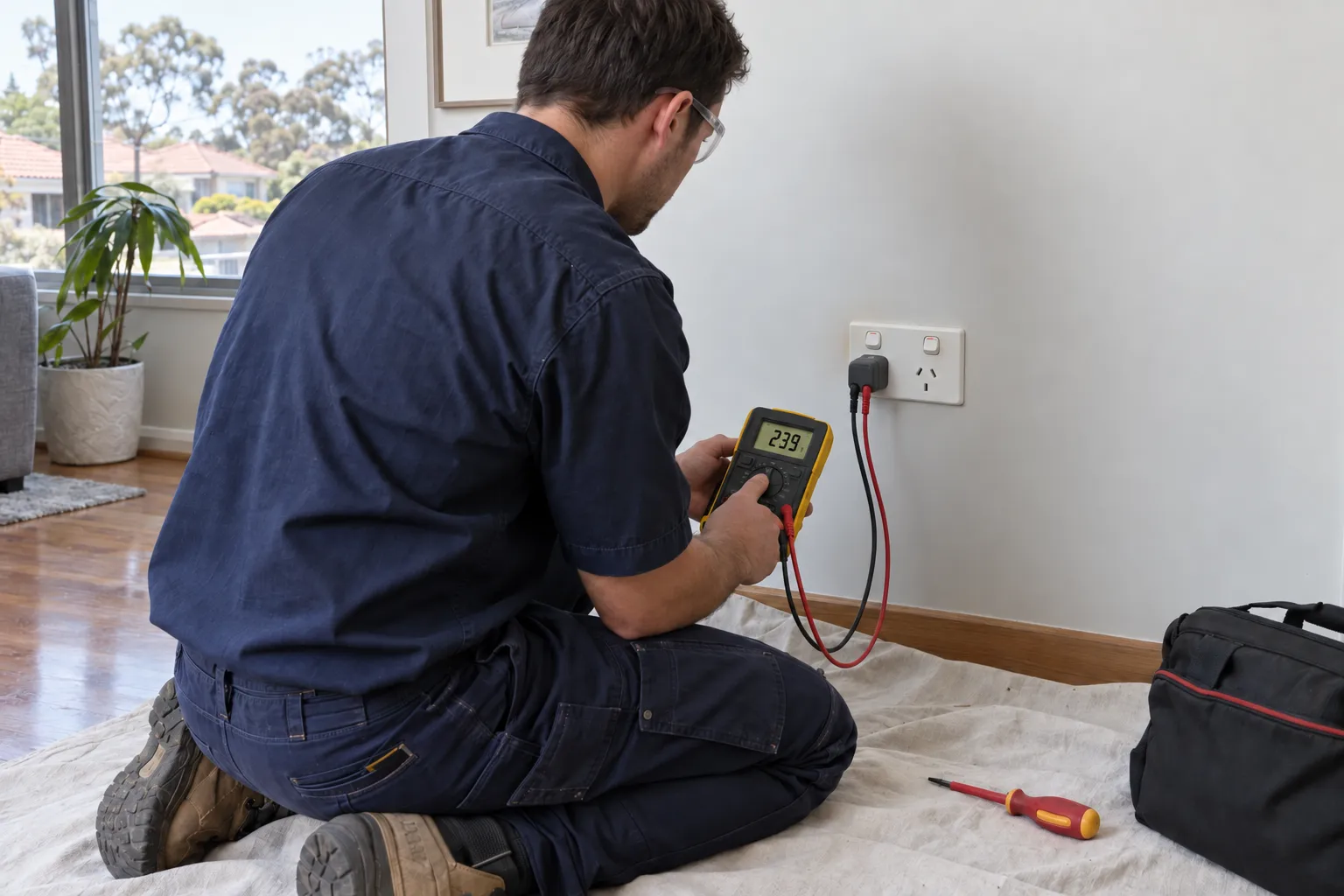
The cost of an emergency electrician depends on when the service is needed, the complexity of the fault, the property's location and accessibility and the parts required. Emergency work can cost more than a standard electrical appointment because it involves short-notice attendance and may require after-hours labour.
Several factors can influence the final price:
- Complexity of the fault: A simple appliance-related fault may take less time to diagnose than damaged wiring, repeated circuit trips or a switchboard problem.
- Location and travel: Properties outside the electrician's usual service area may incur additional travel charges.
- Accessibility: Roof spaces, underfloor areas, external metre boxes and other restricted locations can take longer to inspect safely.
- Parts and materials: Replacing a power point or circuit breaker will cost less than installing new cabling or replacing multiple switchboard components.
- Extent of the repair: A minor repair may be completed during the emergency visit, while extensive work may require additional labour or a separate appointment.
These factors can help property owners understand why the final price may differ from the initial callout fee.
Does the Time of Day Affect Emergency Electrician Costs?
Yes. Evening, overnight, weekend and public holiday callouts attract higher rates than standard weekday appointments. These additional charges reflect after-hours availability, overtime and the limited number of electricians available during these periods.
A weekday daytime appointment will be more affordable when the electrical problem can safely wait. However, faults involving burning smells, exposed wiring, smoke, repeated circuit trips or other immediate safety risks should not be delayed simply to avoid an after-hours charge.
Understanding which electrical problems should not wait until morning can help property owners balance the cost of an after-hours callout against the safety risks of delaying repairs.
The exact difference depends on the provider's pricing structure and may involve a higher hourly rate, emergency callout fee or weekend and public holiday surcharge.
When Is Emergency Electrical Work More Expensive?
Emergency electrical work is more expensive when the fault takes longer to locate, requires substantial repairs or involves multiple replacement components. A straightforward fault may be resolved within the initial callout period, while a more complicated problem can require several hours of testing and additional materials.
Costs may increase when:
- The fault is intermittent or difficult to locate
- Multiple circuits are affected
- Wiring or switchboard components are damaged
- Access to the affected area is difficult
- Several parts need to be replaced
- The installation requires additional safety or compliance work
- Permanent repairs cannot be completed during the initial visit
If testing identifies outdated, overloaded or damaged equipment, a planned switchboard upgrade or relocation may be recommended after the immediate hazard has been addressed.
Where extensive non-urgent work is identified, the electrician may make the property safe during the emergency visit and provide a separate quote for the remaining repairs. Completing planned work during standard business hours may help reduce the amount charged at emergency rates.
Can You Get a Price Before an Emergency Electrician Attends?
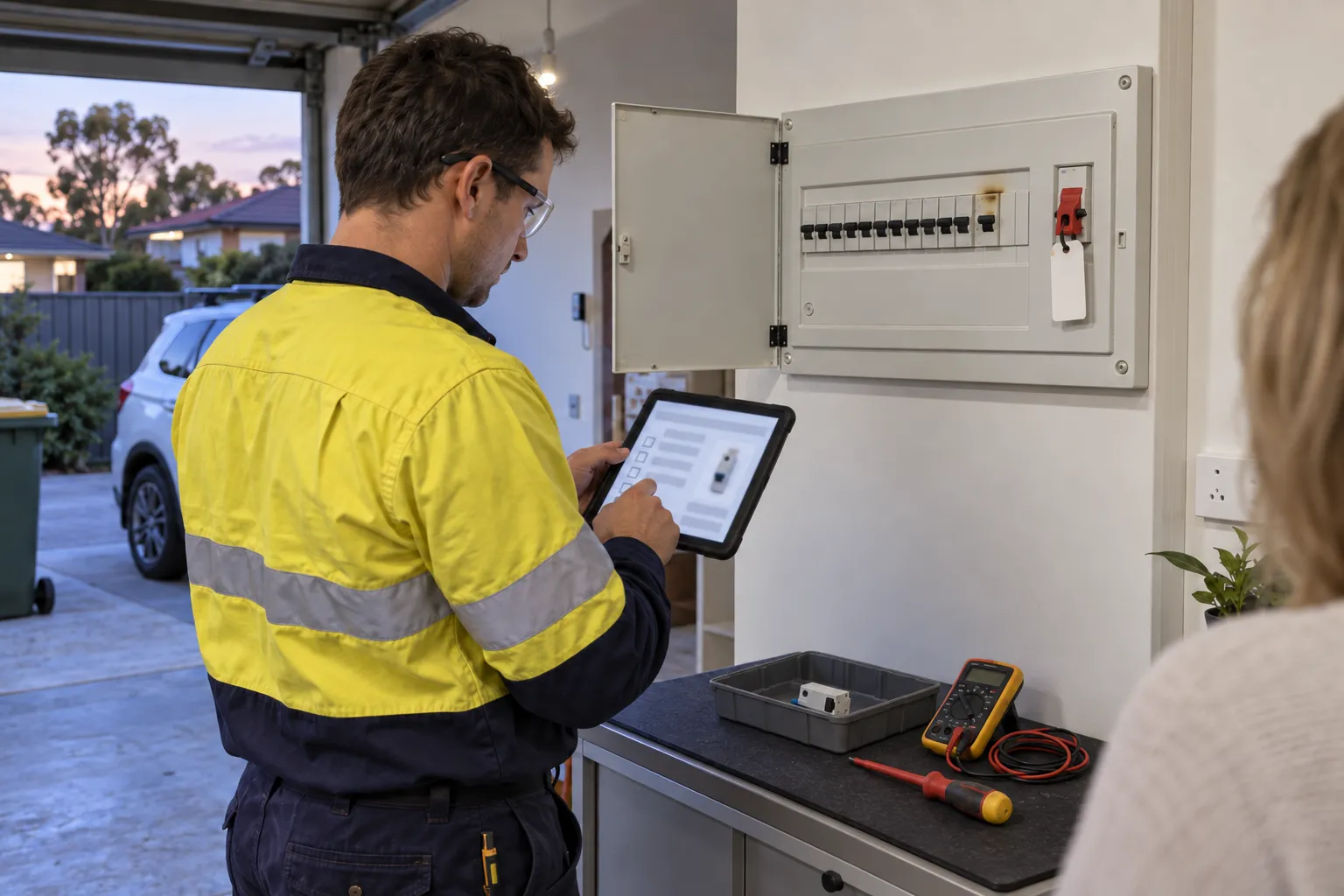
Yes. An emergency electrician can usually provide the callout fee, labour rate and an indicative price range before attending, although an exact total may not be possible until the fault has been inspected. Indicative costs may range from $150 to $300 for the initial callout, with emergency labour commonly adding around $100 to $200 per hour, depending on the provider and time of day.
A simple fault may be resolved within the minimum callout period, while damaged wiring, switchboard problems or multiple components can increase the final cost. Providing clear details about the fault and confirming any after-hours or weekend surcharges can help establish a more accurate estimate before work begins.
For larger repairs, a separate quote may be provided once the problem has been identified. This allows property owners to understand the likely cost before approving work beyond the initial emergency assessment.
How to Avoid Unexpected Emergency Electrician Costs?
Unexpected costs can often be reduced through regular maintenance, clear communication and confirming pricing before work begins. Addressing warning signs during normal business hours may also prevent a more expensive emergency callout.
Property owners can also check a tradesperson’s licence through Service NSW before approving electrical work.
Before an emergency visit, property owners can:
- Confirm the pricing: Ask about the callout fee, hourly rate, minimum charge and any after-hours, weekend or public holiday surcharges.
- Provide clear details: Explain what happened, which areas are affected and whether there have been previous electrical issues or recent work.
- Address warning signs early: Burning smells, buzzing outlets, flickering lights and repeated circuit trips should be inspected before they develop into more serious faults.
- Separate urgent and non-urgent work: Ask which repairs are necessary immediately and which upgrades can be scheduled later.
- Approve additional work: Confirm the cost before authorising repairs beyond the original emergency issue.
Keeping the emergency visit focused on making the electrical system safe and resolving the immediate fault can help control costs. Planned upgrades and non-urgent repairs can then be completed during standard business hours where possible.
When Should You Call an Emergency Electrician Immediately?
An emergency electrician should be contacted immediately when an electrical fault presents an ongoing risk of electric shock, fire, serious property damage or cannot be safely isolated. Problems that can be safely switched off and left until normal business hours may not require an emergency callout.
Immediate professional attention may be appropriate when there are:
- Signs of fire or overheating: Burning smells, smoke, scorch marks, melted components or unusual heat around electrical fittings can indicate a serious fault. If smoke or flames are present, occupants should contact emergency services first.
- Repeated or unexplained circuit trips: Frequent trips, particularly when multiple circuits or the main supply are affected, can indicate an underlying electrical fault.
- Exposed or damaged wiring: Broken cables, exposed conductors and damaged power points can create an electric shock hazard, especially where the area cannot be safely isolated.
- Partial power loss with other warning signs: Flickering lights, buzzing, burning smells or heat alongside a partial outage may indicate a more serious switchboard or wiring problem.
- Electrical faults involving immediate hazards: Problems involving water, accessible live components or damaged outdoor wiring may require urgent attention to prevent injury or further property damage.
Where the fault can be safely isolated and there are no immediate warning signs, an electrician may be able to attend during standard business hours. If there is an ongoing risk that cannot be controlled safely, prompt professional assessment is the safer option.
Emergency electrician costs depend on more than the initial callout fee. The time of day, complexity of the fault, required parts, travel and labour can all affect the final price, making it important to understand the pricing structure before work begins where circumstances allow.
Choosing a qualified provider such as Allround Electrical also means the fault can be properly assessed and repaired with safety and compliance in mind. Prompt professional attention can help protect the property, reduce further damage and prevent a minor electrical fault from developing into a more costly problem.