
February 9, 2026
Lights Flickering in Bad Weather: Is There an Electrical Fault?
Lights that flicker every time the wind picks up or rain sets in are more than just an annoyance. They are often an early warning sign that something is wrong within the electrical system in the home or in the network supplying it. Allround Electrical regularly sees weather related flickering linked to loose connections deteriorated wiring overloaded circuits or faults in external supply lines. In this article the team explores why lights react so noticeably to bad weather what this behaviour reveals about the health of an electrical system and when it is time to call an emergency electrician in Wollongong rather than simply waiting for the storm to pass.
Readers will gain a clear understanding of the most common faults triggered by wind and rain, including issues in roof spaces, meter boxes, switchboards and street supply equipment. Allround Electrical explains how to distinguish between internal and external problems and why flickering that seems to resolve after a storm can still signal an underlying fault. The article will also outline when flickering moves from a nuisance to a genuine electrical emergency along with how qualified electricians identify and fix weather related faults safely and in line with Australian Standards. This insight helps homeowners make informed decisions protects property from hidden damage and reduces the risk of shock fire or costly outages in future storms.
Why Flickering Lights in Bad Weather Are a Warning Sign
Flickering lights during rain wind or storms are more than just annoying. They are often the first visible sign that something is not right with the electrical supply or wiring either in the home or outside in the street network. When this only happens in bad weather it is usually linked to moisture wind movement or overloaded supply lines rather than a faulty light globe.
For homes in Wollongong and the Illawarra where coastal storms and strong winds are common recurring flickers should never be ignored. They can point to loose or deteriorated connections that may overheat and in the worst cases start an electrical fire or damage appliances.
How Weather Exposes Weak Points in Your Electrical System
Bad weather puts extra stress on every part of the electrical system. Strong winds can cause power lines to sway which can loosen old or corroded connections. Heavy rain or salt‑laden coastal air can find its way into cracked fittings deteriorated seals or damaged cable insulation. When this happens the supply voltage can fluctuate which shows up inside as lights that dim brighten or flicker.
If lights only flicker when it is windy there may be a loose connection at the service lines attached to the house or at the street pole. If they flicker with heavy rain moisture may be getting into external fittings outdoor power points or the meter box. In both cases the weather is exposing an existing weakness within the system rather than creating a completely new problem.
Why Flickering Can Be a Fire or Shock Risk
Loose or corroded electrical connections do not just interrupt power. They can also create heat and arcing. Arcing is when electricity jumps across a small gap such as a loose terminal or a damaged cable. This can char insulation melt plastic and ignite surrounding materials.
Inside the home this might occur in:
- Overloaded or damaged light circuits
- Old or loose connections in the switchboard
- Worn fittings in downlights or ceiling light bays
Outside, it can occur at the point where power lines connect to the home, at the meter box or within external junction boxes. What starts as occasional flickering during a storm can eventually become a constant hot spot in the wiring. That is why repeated weather related flickering should be treated as a warning sign that requires prompt investigation.
When to Call an Electrician in Wollongong
If a single light flickers gently only during a storm and stops afterward it may simply be a loose globe. If tightening or replacing the globe fixes it and the problem never returns the risk is low. However, the system should be checked promptly by a licensed electrician if:
- Multiple lights flicker at the same time
- Lights flicker along with buzzing or crackling sounds
- Flickering is worse in wind or heavy rain
- There is a burning smell warm switch plates or discoloured fittings
In these situations the weather is likely revealing a more serious fault either within the property or in the supply to the home and it should be checked before the next storm hits.
Common Electrical Faults Triggered by Wind and Rain
Bad weather often exposes electrical issues that stay hidden in dry, calm conditions. When strong wind and heavy rain hit Wollongong homes, lights that flicker or dim are frequently a sign that water or movement has affected part of the electrical system rather than a simple power surge.
Understanding the most common weather related faults helps homeowners decide when a simple wait and see approach is reasonable and when it is time to call a licensed electrician. The problems below are those most commonly seen during coastal storms and high winds.
Loose or Damaged Supply Connections
High winds can move overhead service lines and strain the connection point where power enters the property. If these connections become loose or corroded the supply to the switchboard can fluctuate leading to:
- Lights flickering across several rooms
- Dimming when large appliances start
- Brief blackouts then power returning on its own
Because the supply connection is part of the network interface this is not something a homeowner can or should touch. If neighbours are experiencing similar issues the fault may be in the street. If the problem is only in one home or is worse on one phase of a three phase supply it may be a loose connection at the point of attachment or within the main switchboard which requires urgent attention from a licensed electrician.
Water Ingress into Outdoor Fittings and Cabling
Rain driven by coastal winds can force water into places that stay dry in normal showers. Any outdoor point that is not properly sealed can allow moisture to track along cables and into fittings.
Common trouble spots include external light fittings weatherproof power points garden and pool lighting junction boxes under eaves and deteriorated conduit. When water gets into these areas it can cause:
- Flickering or pulsing lights on that specific circuit
- Safety switches (RCDs) tripping when it rains
- Buzzing sounds or visible arcing in extreme cases
If flickering is limited to one outdoor area or a single room fed from an external junction box water ingress is a strong possibility. Power should be switched off to the affected circuit at the switchboard and an electrician engaged promptly particularly if an RCD will not reset.
Internal Moisture Problems in Roof Spaces and Walls
Prolonged rain can lead to leaks in roof spaces or wall cavities that eventually reach electrical cables downlights and junctions. In older Wollongong homes insulation around wiring or fittings may already be brittle so added moisture accelerates deterioration.
Typical signs include lights that flicker in an upper floor or near a known roof leak persistent RCD tripping following heavy rain or a musty smell combined with electrical issues in one area. Because moisture and concealed wiring are involved this situation can become a fire or shock risk if ignored. An electrician can test the affected circuits locate compromised fittings or joints and advise if any roof or building repairs are also required.
Internal vs External Electrical Faults
When lights flicker in bad weather the fault can be inside the property, outside on the street network or a mix of both. Knowing the difference helps homeowners in Wollongong decide whether to call an electrician like Allround Electrical or contact their energy distributor first.
In simple terms, internal faults are problems with wiring and equipment on the customer’s side of the electricity meter. External faults are issues on the supply side such as street cables, poles and transformers. Both can cause similar symptoms during storms so it is important to look at the pattern and location of the flickering.
What counts as an internal fault
Internal faults are usually the responsibility of the property owner or strata. These are problems within the switchboard or wiring such as:
- Loose or corroded connections in the switchboard
- Overloaded or damaged circuits
- Ageing wiring with brittle insulation
- Faulty light fittings dimmers or transformers
- Failing appliances that drag the voltage down when they start
If only some lights or power points in one part of the home flicker then the issue is likely on a single circuit. For example lights in just the kitchen and dining area dim when the oven or kettle switches on. This points to an overloaded or poorly wired circuit that needs attention from a licensed electrician.
If flickering is worse when it is wet or windy inside problems may still be to blame. Moisture can get into old fittings roof spaces or external light points and cause intermittent faults. In Wollongong’s coastal climate salt corrosion in switchboards and outdoor connections is also common and often shows up first as flickering then tripping.
Any burning smell warm switch or discoloured fitting is a strong sign of an internal fault and power to that circuit should be turned off at the switchboard until an electrician attends.
What counts as an external fault
External faults sit on the supply network side of the meter and are usually the responsibility of the local distributor not the retailer or electrician. These include:
- Trees hitting overhead lines in high winds
- Water ingress into street cables pillars or transformers
- Failing connections at the service line to the house
- Network voltage fluctuations when many customers are affected
If the whole home flickers at once and especially if neighbours’ lights also flicker this usually points to an external supply issue. Sudden brightening and dimming of all lights during a storm is another strong indicator the incoming voltage is unstable.
In these cases the safest first step is to check the distributor’s outage information for the Wollongong area and report the problem if it is not already logged. An electrician can still test the installation at the meter point to confirm the issue is external but repairs on the street side must be carried out by the distributor.
When it could be both
Sometimes bad weather exposes a weak point on the network and a weak point inside the home at the same time. For example a loose overhead service connection might cause noticeable flicker which then stresses an already overloaded circuit.
If the cause is unclear, a licensed electrician can perform tests at the switchboard and meter to determine whether the voltage issue is coming from outside the property or being created within the installation. They can then advise whether to involve the energy distributor or proceed with internal repairs.
Why Flickering Often Stops When the Weather Clears
When lights only flicker during bad weather then seem perfectly fine once the skies clear it can be confusing. In many Wollongong homes this pattern points to issues outside the house such as network voltage fluctuations rather than a constant fault in the wiring or fittings.
As the weather settles wind drops and moisture levels fall so the electrical network is under less physical and electrical stress. Supply becomes more stable so lights stop flickering even though the underlying weaknesses in cables joints or components may still be there.
How Wind and Storms Affect Power Supply
High winds can cause power lines to sway and briefly clash which creates short disturbances in voltage. Tree branches brushing or momentarily contacting lines in a storm have a similar effect. These tiny interruptions may only last fractions of a second but inside a home they show up as flickering or dimming lights.
Once the wind eases the lines sit more still so those brief contacts and movements stop. The supply from the street becomes smoother so the flickering disappears. Nothing inside the home has changed but the external conditions that were stressing the network have improved.
Why Moisture Causes Temporary Problems
Heavy rain coastal mist and salt-laden air are common around Wollongong and can affect outdoor electrical equipment. Moisture can get into aging joints cracked insulation or enclosures that are no longer sealed properly. When this happens small leakage currents or partial short circuits can occur which disturb the voltage feeding a property.
As the weather clears sun and wind dry out these damp points and the leakage paths reduce or disappear. The result is that the power supply appears to return to normal and the lights stop misbehaving. This is why a problem may only show up in very wet conditions then seem to fix itself afterward even though the underlying weakness remains.
Load Changes During and After Bad Weather
Storms often cause sudden changes in how much power is being drawn from the grid. For example many homes might switch on heaters or dryers at once on a cold wet day. This surge in demand can cause minor voltage drops on already stressed lines which show up most clearly as flickering LED or fluorescent lights.
When the weather improves residents use less heating or heavy appliances so the load on the local transformer and lines reduces. Voltage stabilises and the flicker vanishes. In these cases the house wiring may be fine but the property could be on a part of the network that struggles under peak load or has undersized or aging infrastructure.
Why This “On and Off” Pattern Still Matters
Even if flickering only occurs in bad weather and stops afterward, it should not be ignored. Weather related flicker often indicates marginal connections inside or outside the property that can worsen over time. It is sensible to note when and under what weather conditions the flickering occurs, then have a licensed electrician test both the switchboard and supply quality so any developing faults are identified before they become unsafe or lead to full outages.
When Flickering Lights Become an Electrical Emergency
Not all flickering lights in bad weather are an emergency, but some patterns are serious warning signs that should not be ignored. Knowing the difference helps Wollongong homeowners decide when it is safe to wait and when to call an emergency electrician immediately.
Any sudden change in lighting that comes with burning smells, heat, buzzing or visible damage should be treated as urgent. In these situations, the safest option is to switch power off at the main switchboard, if it is safe to reach and call a licensed electrician straight away.
Warning Signs That Need Immediate Attention
Flickering during a storm becomes an electrical emergency when it is combined with other symptoms that point to overheating, arcing or a major fault. Key red flags include:
- Lights flickering and dimming across several rooms at once
- Flickering lights together with power points that feel hot or are discoloured
- Repeated tripping of the same circuit breaker whenever lights are used
- A burning plastic or fishy smell near light fittings or the switchboard
- Visible sparking or a sharp crackling sound from switches or fittings
If a thunderstorm has just passed and lights are now flickering badly or will not come back to full brightness this can indicate storm damage to the supply or to your switchboard. In older Wollongong properties overhead service cables and aged meter boxes are more vulnerable to water ingress and corrosion which can quickly turn a nuisance flicker into a fire risk.
Any shock or tingle from a metal light fitting or switch plate is always an emergency regardless of the weather. This indicates a possible earth fault and the area should not be touched until power is isolated.
What To Do If You Suspect an Emergency
If these warning signs appear, take the following immediate steps:
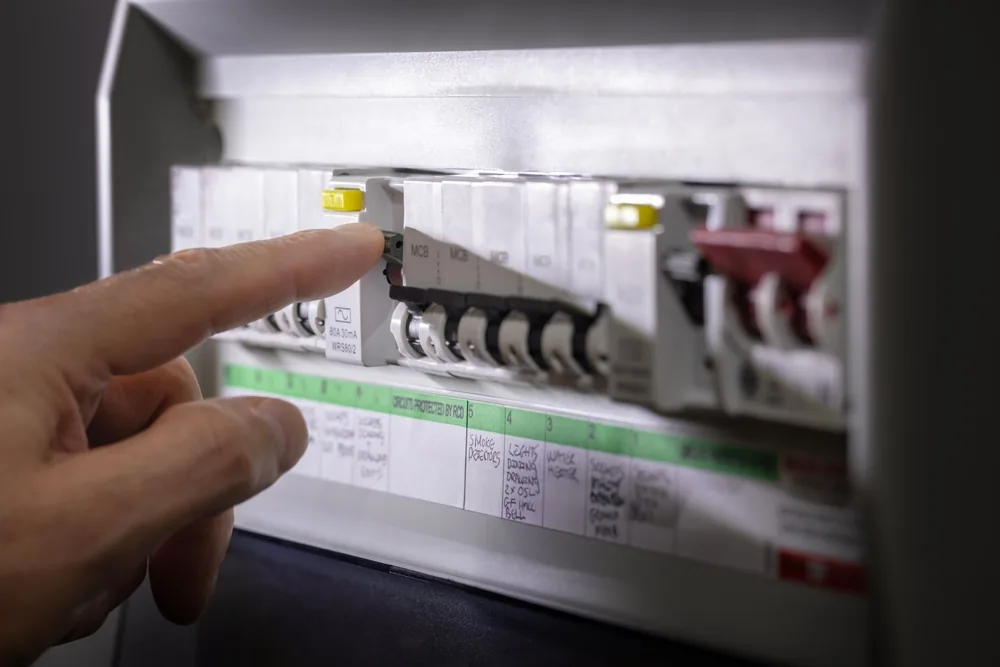
1. If safe to access switch off affected light circuits at the switchboard. If the issue seems widespread turn off the main switch.
2. Keep clear of any wet areas around the switchboard or light fittings. If the switchboard is wet do not touch it and call an emergency electrician.
3. Do not attempt to remove hot globes, use metal step ladders near suspect fittings or open the switchboard cover if you are unsure.
Once the area is made as safe as possible contact a licensed electrician who offers emergency callouts in Wollongong. They can test for loose connections, water in fittings, damaged cabling or storm related faults in the supply.
When To Call Your Energy Supplier Instead
Sometimes the fault causing flickering in bad weather sits on the supply side rather than inside the home. It is usually an issue for the electricity distributor if:
- Multiple homes in the street have lights flickering or losing power
- Lights flicker whenever strong winds hit power poles or overhead lines
- The main switch is off but there are still signs of arcing or noise at the service point
In these cases, a licensed electrician can confirm whether the issue is internal, but the network provider will often need to address damaged lines, loose service connections or transformer problems affecting the whole area.
How Weather-Related Electrical Faults Are Identified and Fixed
When lights start flickering during heavy rain or strong winds, most homeowners want to know whether the problem is inside the home or out on the street. The first step is to identify where the fault sits, then repair what falls on the customer’s side and determine when the supply authority needs to be involved.
In Wollongong, wild southerlies, salt air and sudden storms are common. Qualified electricians are trained to recognise the typical weather related patterns in this area and follow a structured process to keep homes safe and reduce recurring faults.
Initial Checks and Safety Assessment
The first step is always to make the property safe. The electrician will ask the customer to describe when the flickering happens for example only during rain only in high winds or only on one circuit. They will then:
- Inspect the switchboard for heat damage water marks rust or loose breakers
- Check safety switches and main switches for secure connections
- Confirm that earthing is intact and correctly bonded
If there are any signs of burning or moisture near live parts, power to the affected circuits should be isolated before further work continues. Where flooding or roof leaks are present, power should remain off in the affected area until it is fully dry and properly tested.
Tracing Weather‑Related Faults
Once immediate risk is controlled the electrician begins fault finding. For rain‑related issues they check outdoor fittings first such as garden lights external power points and driveway or balcony lights. Water can enter through cracked seals poor cable joins or corroded fittings which then causes intermittent flicker or tripping when it gets wet.
For wind‑related flickering patterns are important. If whole sections of the house or the entire property are affected during high winds but fine in calm weather this can point to problems with overhead service lines the point of attachment or the supply network in the street. The electrician will:
- Test voltage at the main switchboard during normal load
- Look for movement or strain on the aerial consumer mains where they connect to the house
- Check that the private pole or bracket is structurally sound and not rusted or loose
Inside the home they will tighten neutral and active connections in the switchboard check for damaged insulation in ceiling spaces and test individual circuits to see if one area is responsible for the flicker.
Repairing the Fault and Preventing Recurrence
Once the source is identified, the damaged components are repaired or replaced. Common fixes include replacing waterlogged or corroded outdoor fittings, installing weatherproof IP-rated outlets, resealing conduit entries and replacing brittle cabling. In older Wollongong homes, this may extend to upgrading an outdated switchboard to a modern unit with circuit breakers and safety switches that handle fluctuating conditions more reliably.
If the issue lies on the supply authority side, such as loose street connections or failing network equipment, the electrician will document test results and advise the customer to contact the provider, often supplying a report to help speed up network repairs.
To reduce the risk of future weather-related flickering, regular switchboard inspections, trimming trees clear of overhead lines, improving drainage around outdoor sockets and upgrading non-weatherproof fittings exposed to coastal conditions are often recommended.
In summary, lights that flicker during wind, rain, or storms should never be dismissed as “just the weather.” Weather related flickering is often an early warning sign that your electrical system is under stress, whether from moisture entering fittings, loose or corroded connections being disturbed by wind, or voltage issues in the supply network.
While the symptoms may seem to disappear once conditions improve, the underlying fault often remains and can return or worsen during the next storm. The issue becomes urgent if you notice burning smells, buzzing or crackling sounds, hot switchplates, tripping breakers, partial power loss, or visible arcing.
If your lights consistently flicker in bad weather, treat it as a sign that your system needs professional attention. Prompt investigation by a qualified electrician is the safest and most cost effective way to prevent a minor fault from becoming a serious electrical hazard.