
March 23, 2026
Electrical Defect Notices: What to Do and Who Can Fix Them
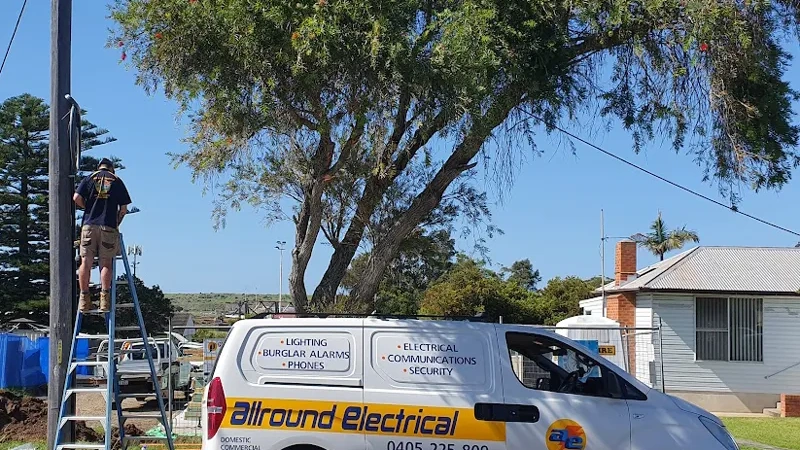
Electrical defect notices can be stressful and confusing for homeowners, landlords and business owners alike. They often arrive with unfamiliar terminology, tight deadlines and the very real risk of power disconnection if the issues are not addressed correctly. Allround Electrical understands how disruptive this can be, which is why we focus on helping clients understand exactly what an electrical defect notice means, what has triggered it and how urgent the required action really is. Demystifying the process helps people move from uncertainty to clarity so they can make informed decisions with confidence.
Understanding how electrical defect notices work can make the process far less overwhelming. This article explains what an electrical defect notice means, why it may be issued and what steps are usually required to have it cleared. It also outlines when a standard licensed electrician may be able to carry out the repairs and when a Level 2 electrician in Wollongong may be required, particularly where the defect involves metering, consumer mains or the connection to the network.
What Is an Electrical Defect Notice?
An electrical defect notice is a formal document issued when an electricity network provider or their inspector finds that a property’s electrical installation is unsafe or does not comply with current standards. It is not a suggestion or a warning to ignore. It is a legal notice that requires the owner or responsible party to have the defects repaired within a set timeframe so the property can remain safely connected to the network.
For homeowners and businesses, this notice explains exactly what is wrong and what must be fixed. It usually follows a metre inspection, connection change or safety check. Interpret these notices and prioritise what needs to be done to protect people, equipment and the ongoing power supply.
Who Issues an Electrical Defect Notice and When
In New South Wales, electrical defect notices are typically issued by the electricity network distributor after an inspection. The inspector could be from the network itself or an authorised contractor working on its behalf.
A notice is commonly issued in situations such as:
- A request for a new connection or reconnection
- An upgrade to the switchboard or supply
- After reports of sparks, shocks or visible damage to network equipment on the property
If the inspector finds issues that breach safety rules or the relevant wiring standards, they must issue an electrical defect notice to the property owner or account holder listed with the electricity retailer.
What the Notice Usually Contains
Although the format can vary, the core information is similar. A typical electrical defect notice will specify:
- Property details and date of inspection
- Description of each defect or non‑compliant item
- References to applicable standards or service rules
- The timeframe allowed to complete repairs
- The potential consequence if repairs are not completed
Defects can range from relatively minor items. The notice will usually state if the situation is immediately dangerous or if it can remain connected while repairs are organised.
Why Electrical Defect Notices Matter
An electrical defect notice is primarily about safety. Faulty or non‑compliant wiring can lead to electric shock, fire, damaged appliances and unexpected outages. The notice is the network’s way of ensuring any risk on a private property is addressed before it affects occupants, neighbours or the wider network.
There is also a compliance and supply aspect. If the listed issues are not correctly repaired and re‑inspected within the stated period, the network distributor can disconnect or refuse to connect the property. Insurance implications may also arise if a known defect is ignored and a related incident occurs.
Common Reasons Electrical Defect Notices Are Issued
Electrical defect notices are usually issued when something at a property does not meet current safety standards or distributor requirements. Understanding the most common reasons helps owners work out how urgent the problem is and what kind of electrician they need to engage.
Most issues relate to safety risks around the point where the property connects to the network, damage or deterioration of equipment or non-compliant electrical work. In nearly every case, the notice is a warning that something could become dangerous if it is not fixed promptly.
Unsafe or Non-Compliant Switchboards and Metres
Switchboards are one of the first places inspectors and supply authorities look. Older boards with ceramic fuses or no safety switches often trigger a defect because they do not meet current standards and provide limited protection against electric shock.
Common switchboard-related defects include:
- No or insufficient safety switches (RCDs) on power and lighting circuits
- Exposed live parts due to missing covers or broken escutcheons
- Overloaded or incorrectly rated fuses or circuit breakers
- Metres or metering panels that are damaged, poorly mounted or not properly sealed
For example, a rental with multiple subcircuits still running on old rewirable fuses is likely to receive a defect notice instructing the owner to upgrade to circuit breakers and RCDs. Supply authorities also require clear labelling and safe access to the switchboard, so boards hidden behind cupboards or obstructed by storage can be flagged.
Damaged or Deteriorated Consumer Mains and Service Equipment
The consumer mains and service equipment connect the house to the street supply. If any of these parts are damaged, waterlogged or in poor condition, the risk of fire or electric shock increases and a defect notice is issued.
Typical problems include:
- Cracked or perished insulation on overhead or underground consumer mains
- Rusted or broken main switch enclosures or service fuse boxes
- Service lines too low over driveways or roofs, creating a clearance hazard
- Damaged point of attachment brackets or loose clamps on overhead cables
In coastal or older suburbs, it is common to see severe corrosion in outdoor metre boxes and main switches. Even if the power is still working, the inspector must issue a defect because the enclosure may no longer safely contain arcing or moisture.
Unauthorised, DIY or Altered Electrical Installations
Any unlicensed work that affects the fixed wiring can lead to a defect notice. Distributors and inspectors are required to act when they see signs that work has been done without the correct qualifications or approvals.
Frequent triggers include:
- Additional circuits or power points were added with no compliance certificate
- Non-compliant wiring methods, such as extension leads used as permanent wiring
- Incorrect cable types or sizes used for ovens, air conditioners or EV chargers
- Altered metering arrangements or bypassed metres
For instance, someone might add a shed or granny flat and connect it to the main house board using an undersized cable and no safety switch. Even if it appears to work normally, this is classed as an electrical defect and must be rectified by a licensed electrician before the supply authority is satisfied.
What Happens If You Ignore a Defect Notice?
Ignoring an electrical defect notice does not make the problem go away. It usually leads to escalating safety risks and enforcement action that is more disruptive and more expensive than dealing with the issue promptly. The notice is a formal warning that something on the property is unsafe or non-compliant and supply authorities are required to act if it is not fixed.
If a defect notice is ignored, the matter moves from a maintenance issue to a regulatory and safety problem. This can affect electricity supply to the property, increase costs and create serious legal exposure for the owner or person in control of the site.
Risk of Power Disconnection
The most immediate consequence of ignoring a defect notice is the risk that the network provider will disconnect or limit electricity supply. Defect notices are normally issued with a deadline to complete the repairs. If the defect is not cleared by a licensed electrician and the clearance is reported back, the distributor can:
- Partially disconnect affected circuits
- Install a load limiter
- Fully disconnect the supply to the premises
In many cases, the provider is legally obliged to cut power if a known electrical defect is left unresolved and presents an ongoing safety risk. Reconnection usually requires proof that the defect has been rectified, along with payment of any reconnection or call-out fees.
Increased Safety Hazards and Liability
A defect notice indicates that the existing electrical installation is unsafe or does not meet current standards. Leaving it unresolved increases the likelihood of:
- Electric shock to occupants, staff, tenants or visitors
- Electrical fire in switchboards, wiring or appliances
- Damage to appliances and equipment from faults or overloads
If an incident occurs and there is evidence that a defect notice was ignored, the property owner or manager can face serious consequences. Insurers may reduce or deny claims if the required repairs were not carried out. Regulators can investigate and issue improvement or prohibition notices on top of the original defect.
Who Is Qualified to Fix an Electrical Defect Notice?
Only appropriately licensed and insured electricians are allowed to fix defects listed on an electrical defect notice. The type of electrician required depends on what part of the installation is affected. Some defects can be repaired by a standard licensed electrician, while others require a Level 2 accredited service provider where the work involves the connection to the network, metering equipment, consumer mains or other supply-related components.
Attempting DIY electrical work or using an unlicensed tradesperson can make the defect worse, void insurance and lead to fines or disconnection of supply. The defect will only be cleared once the required repairs have been completed correctly and the appropriate documentation has been provided.
Licensed Electrician vs Level 2 Electrician
A standard licensed electrician is qualified to carry out many types of electrical repair work within the property, including repairs to internal wiring, fittings, safety switches and some switchboard components. If the defect notice relates only to electrical items within the installation itself, a licensed electrician may be able to rectify the issue.
However, some defect notices involve supply-side equipment or components connected to the electricity network. These can include:
- Service lines from the street to the property
- Consumer mains
- Metering equipment or meter panels
- Main switches associated with the supply
- Point of attachment or private power poles
Where the defect involves these areas, a Level 2 electrician is usually required because this work sits at the interface between the property and the network. This is why it is important to have the defect notice reviewed properly before any work begins, so the right type of electrician is engaged from the outset.
Licensing, Accreditation and Insurance
To be properly qualified to clear a defect, the electrician must hold:
- A current electrical contractor licence issued in the state or territory
- Level 2 accreditation with the local electricity network if the work involves the supply connection or metering
- Current public liability insurance and, where relevant, workers' compensation cover
A qualified electrician will provide their licence number on quotes and invoices and can show proof of Level 2 accreditation on request.
How to Choose the Right Professional for a Defect Notice
When a defect notice arrives, the first step is to read the items listed and check the required completion date. The notice should then be provided to an electrician so they can confirm what type of work is involved and whether Level 2 accreditation is required.
A qualified contractor should be able to:
- Explain which parts of the installation are non-compliant
- Confirm whether the work can be handled by a licensed electrician or requires Level 2 authorisation
- Provide a written quote and expected timeframe
- Arrange any required outage or network coordination if the supply must be disconnected
Using the right electrician from the start helps avoid delays and ensures the defect can be cleared correctly.
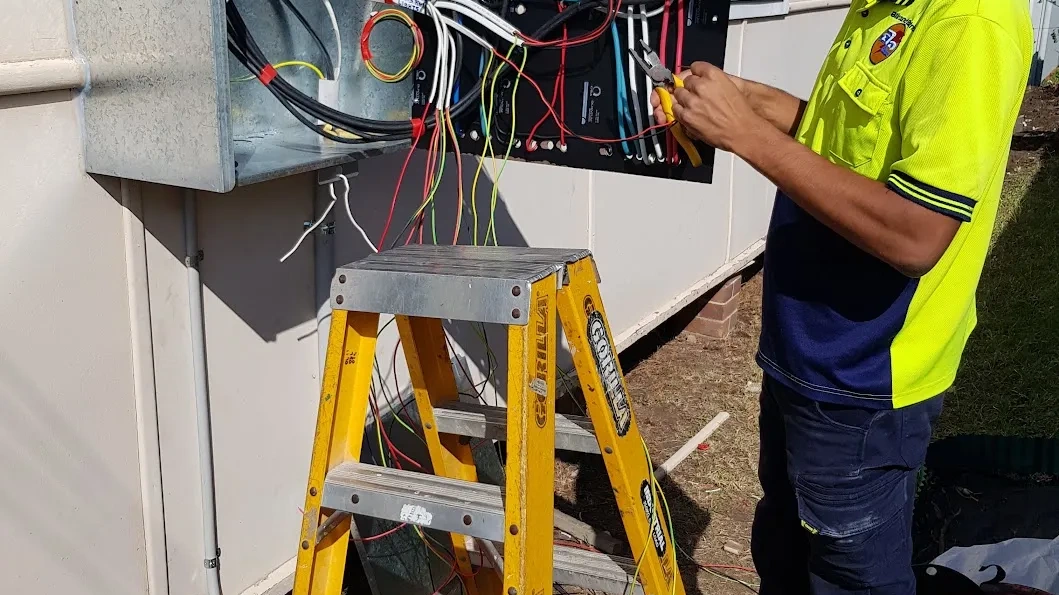
The Resolution Process: Step by Step
Receiving an electrical defect notice can be stressful, but there is a clear process to follow so the issue is resolved safely and on time. Understanding each step helps owners avoid penalties, prevent power disconnections and keep the property compliant with current electrical standards. The key is to act quickly, choose a qualified electrician and keep clear records of every stage.
Step 1: Read the Notice and Confirm the Deadline
The first step is to read the defect notice carefully. It will usually specify:
- What part of the installation is defective
- The safety risk involved
- The time allowed to fix the problem
Most notices provide a set number of days to complete repairs. Owners should note this deadline immediately and avoid waiting until the last week to start. If any part of the notice is unclear, professionals can help interpret the requirements so there is no confusion about what must be fixed.
Step 2: Engage a Licensed Electrician Promptly
Only a licensed electrician is allowed to rectify electrical defects. Depending on the type of defect listed, the work may need to be carried out by either a standard licensed electrician or a Level 2 electrician if the issue involves the supply connection, metering or consumer mains. Attempting DIY repairs or using unlicensed labour is illegal and can lead to further defects or safety incidents.
When contacting an electrician, property owners should provide:
- A copy or clear photo of the defect notice
- Any recent electrical reports or invoices
- Access details and preferred times
For major defects, the electrician may arrange a temporary safety measure, such as isolating a circuit until full repairs are carried out.
Step 3: Site Inspection and Quotation
At the inspection, the electrician will:
- Verify the issues listed on the defect notice
- Check surrounding circuits or equipment for related problems
- Confirm whether any hidden faults may also need attention
Based on this assessment, professional electricians provide a clear quote that explains the required work in plain language. If extra issues are found that are not in the original notice, the electrician will explain the risks and whether they should be fixed at the same time to avoid future notices.
Step 4: Carry Out the Repair Work
Once the quote is approved, the repair work is scheduled. This may range from replacing a single safety switch or damaged outlet to upgrading consumer mains or switchboards. Experts plan the work to minimise disruption to occupants and will let clients know in advance if the power needs to be turned off and for how long.
Throughout the job, the electrician follows current Australian standards and distributor requirements so that the installation will pass reinspection. Any parts or equipment used are compliant and correctly rated for the application.
Step 5: Certification and Clearing the Defect
After the repairs are completed, the electrician tests the installation to confirm it is safe. Then they issue the required compliance documentation and notify the supply authority or network provider that the defect has been rectified.
In some cases, a network inspector may revisit the property to confirm the work. Owners should keep all paperwork and test records as proof of compliance in case any questions arise later. Once the authority accepts the clearance, the defect notice is considered resolved and no further action is required.
Costs, Timeframes and What to Expect
When an electrical defect notice arrives, most people want to know two things: how much it will cost to fix and how quickly it can be cleared so power is not interrupted. The answers depend on how serious the defects are, where they are located and how accessible the site is, but there are typical ranges and clear steps property owners can expect.
The process is usually more manageable when the scope of work is explained clearly from the outset. This includes giving upfront estimates where possible, setting realistic timeframes and keeping disruption to a minimum while meeting all network and safety requirements.
Timeframes to Fix Defects
Defect notices always state a timeframe for rectification. Common windows are 21 or 30 days for non-critical issues and much shorter where there is an immediate safety risk.
Generally, follow this sequence:
1. Review the notice and photos, then the initial estimate.
2. Site visit to confirm scope and finalise pricing.
3. Booking of works, which for urgent defects is usually within a few days, is subject to access.
4. Completion of rectification and any required testing.
5. Lodgement of compliance paperwork or notification to the network as required.
Simple defects can often be rectified in a single visit lasting a few hours.
What the Customer Should Expect
Customers can expect some power interruption during rectification work. For small repairs, it may only last an hour or two. For major works, supply may be off for much of the day, so it is important to confirm the timing in advance and plan around any essential appliances or equipment.
There will usually be some follow-up after the work is completed. This can include issuing a certificate of compliance, providing test results and notifying the network so the defect notice can be cleared. Customers should keep all documentation in case the distributor, insurer or future buyer requests evidence that the defect was properly resolved.
How to Prevent Future Electrical Defect Notices
Preventing future electrical defect notices starts with keeping the installation safe, compliant and easy for inspectors to assess. Most defects arise from issues that could have been picked up early, such as outdated switchboards, DIY wiring or missing safety devices. By planning and scheduling regular checks, property owners can avoid urgent rectification work and potential power disconnections.
Electricians focus on proactive maintenance and clear documentation, so if an inspector does attend the site, there are no surprises. The aim is to keep the electrical system aligned with current standards and to deal with small problems before they trigger a formal defect notice.
Keep Switchboards Safe, Modern and Accessible
Switchboards are one of the most common sources of electrical defects because they are the control point for the whole installation. Older boards with ceramic fuses, mixed wiring types or overcrowded enclosures are much more likely to attract notice.
To reduce this risk:
- Upgrade outdated fuse boards to modern circuit breakers and RCDs
- Ensure all final subcircuits have RCD protection where required
- Keep the switchboard clear of stored items and easily accessible
Labelling is also critical. Circuits that are correctly and clearly labelled help inspectors quickly verify what each breaker controls, which reduces the chance of a defect being issued for uncertainty or suspected overloading.
Avoid DIY Work and Use Licensed Electricians Only
Unlicensed or DIY electrical work is a frequent reason for defect notices and can also void insurance or create serious safety hazards. Any new circuits, renovations, air conditioning connections, EV chargers or solar system tie-ins must be carried out by a licensed electrician.
Compliance documentation, such as Certificates of Compliance for completed work, helps demonstrate to inspectors that the installation has been tested and signed off correctly. Keeping these records, along with product manuals and test results, makes future inspections smoother and provides clear evidence that the property has been maintained to the required standard.
An electrical defect notice should always be taken seriously, but the right response depends on what type of defect has been identified. Some issues can be handled by a standard licensed electrician, while others require a Level 2 electrician where the defect involves metering, consumer mains, service equipment or the connection to the network. The key is to act within the required timeframe, engage the right qualified professional and make sure the repairs are completed and documented properly. Once the defect is cleared, keeping the installation well maintained and avoiding unlicensed work can help reduce the risk of future notices.