
February 24, 2026
How to Reconnect Power After a Disconnection in Wollongong
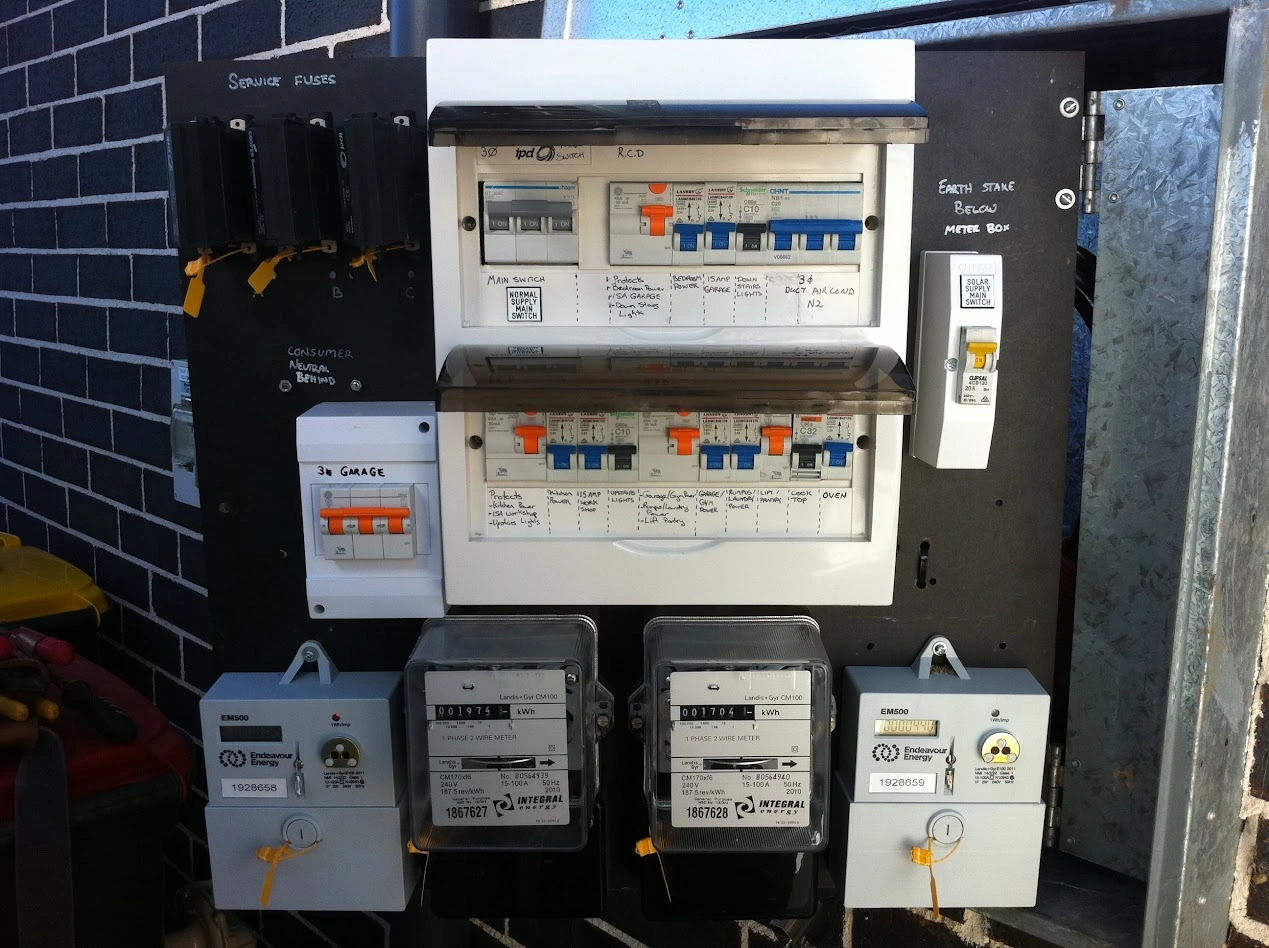
Losing power after a disconnection is something we deal with regularly at Allround Electrical. Homeowners and businesses in Wollongong often call unsure who has cut the supply, whether it is a billing issue, a network problem or a defect notice, and what needs to happen before power can be restored.
The reconnection process is not always as simple as flicking a switch back on. In many cases, a Level 2 electrician in Wollongong must inspect the switchboard, check the metering arrangement or rectify compliance issues before the network will allow supply to be energised again. Understanding who to contact first and what needs to be cleared helps avoid delays, repeat call-outs and unnecessary downtime.
Common Reasons Power Gets Disconnected
Understanding why electricity is turned off is the first step to getting it safely reconnected. In Wollongong, most disconnections fall into a few clear categories linked to billing problems, tenancy changes or safety and compliance issues at the property.
Professional electricians often find that knowing the exact reason for the disconnection helps customers work out whether they need to talk to their retailer, the network company or an electrician and in what order to do it.
Unpaid or Overdue Electricity Bills
The most common reason for disconnection is unpaid bills. If an account falls too far behind, the electricity retailer can request a disconnection after giving the required notices. In NSW, this usually follows a clear process, such as reminder notices, payment plan offers and then a formal disconnection warning with a date.
If mail is going to an old address or emails go to spam, a customer may not realise a final notice has been issued. Direct debit failures or expired cards also regularly cause surprise disconnections. In these cases, power generally will not be reconnected until:
- The overdue amount is paid or
- A formal payment arrangement is set up with the retailer
Once that is sorted, the retailer sends a reconnection request to the network distributor, which then restores supply, usually on the same day or the next business day.
Moving In, Moving Out and Account Changes
Power can also be disconnected when a previous occupant moves out or a new account is not correctly set up. When someone closes their electricity account, the retailer can request the metre to be read and the supply disconnected from a certain date. If new tenants or owners have not arranged a new account in time, they may arrive to find the power already off.
Sometimes, the retailer or distributor does not have clear access to the metre or safety concerns are noted during a metre visit, which can delay connection or lead to disconnection until the issue is resolved. Experts often assist when:
- New occupants need the property to be made safe before reconnection
- Old or damaged metres require an electrician to upgrade the switchboard
- A site has had power off for a long time and requires checks before it is energised again
Safety Defects and Non‑Compliance
Network inspectors or electricians can issue defect notices if they find dangerous wiring or non-compliant electrical work. In serious cases, the network distributor is required to disconnect power to prevent fire or electric shock risks.
Common triggers include exposed live wiring, severely damaged consumer mains, overloaded or badly corroded switchboards, DIY alterations or old fuses that no longer meet current standards. In these situations, power usually cannot be reconnected until a licensed electrician has repaired the defects and provided the necessary certification to the retailer or distributor.
Storm damage, fallen trees or water ingress can also make an installation unsafe. After major weather events, some may lose power until emergency repairs and safety checks are completed.
How to Tell Who Disconnected Your Power
When the power goes off without warning, it can be hard to know who turned it off and why. Working this out quickly is important because your next steps depend on whether it is a network issue, a retailer action or a safety or electrical fault. Electricians suggest checking a few specific signs before making any calls or booking an electrician.
Several different parties can be involved in a disconnection. The local network distributor manages the poles, wires and metres. Your electricity retailer manages your account and billing. An electrician can also isolate power at the switchboard or metre for safety or repair work. Each type of disconnection leaves slightly different clues.
Check if it is a Local Outage or a Site Disconnection
First, check whether the problem is just at your property, across the street or in the neighbourhood.
If nearby homes or streetlights are also off, it is likely a network outage. The quickest way to check is to:
- Look at Endeavour Energy’s outage map on their website
- Call their outage line listed on your last bill or online
If the outage map shows a fault or planned work in your area, then the network distributor has effectively disconnected the supply due to maintenance or an unplanned fault.
If neighbouring properties have power and only your home or business is off, it is more likely to be:
- A retailer's disconnection for non-payment or account issues
- A disconnection or isolation is ordered for safety
- An internal electrical fault that has tripped your main switch
Inspect Your Switchboard and Metre
Next, look at your main switchboard. If circuit breakers or safety switches are in the OFF position and will not reset, there may be an internal fault rather than an external disconnection. If everything is ON but there is still no power, the supply may have been disconnected at the metre or the street.
Signs your power may have been disconnected by a distributor or retailer include:
- A physical tag, lock or seal on the main switch or metre
- A notice or sticker near the metre stating “Do not operate”, “Disconnected”, or similar
- Evidence that the service fuse or service fuse carrier has been removed or sealed
If there is a safety or defect notice at the switchboard or metre box that mentions an electrical defect or unsafe installation, it usually means the distributor has arranged a safety disconnection and requires a licensed electrician to rectify the issue before reconnection.
Contact Your Electricity Retailer First
If there is no clear outage listed and only your site is affected, the next step is to contact your electricity retailer using the number on your electricity bill. The retailer can immediately see whether:
- Your account has been disconnected for non-payment or contract reasons
- A planned disconnection was requested by you or a previous occupant
- The network distributor carried out a safety or defect disconnection
If the retailer confirms that a safety or defect disconnection has occurred, they will usually advise what type of electrical work is required before reconnection.
When a Level 2 Electrician Is Required for Reconnection
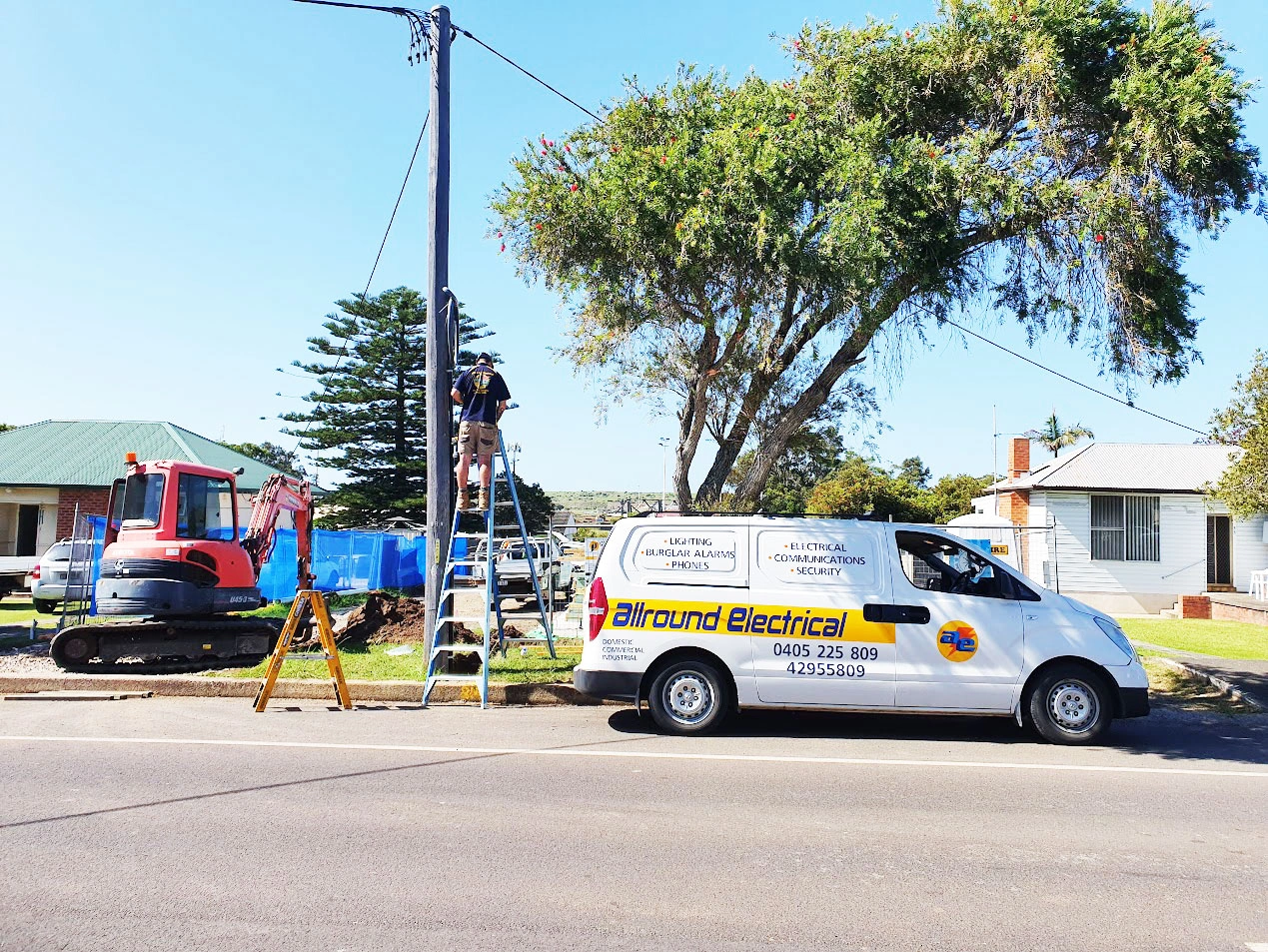
After a disconnection, power can only be restored legally and safely if the right type of electrician is engaged. In many reconnection situations, a standard electrician is not enough. A Level 2 accredited service provider is required because the work involves the electrical network, not just the wiring inside the property.
These electricians are authorised to work on the service lines, metering and connection points that link a home or business to the Endeavour Energy network. Knowing when this higher level of accreditation is required helps avoid delays, failed inspections or unsafe DIY attempts.
Situations Where a Level 2 Electrician Is Legally Required
A Level 2 ASP is required whenever work involves the network supply or metering equipment, not just internal circuits. Common reconnection scenarios are:
- Power disconnected at the point of attachment, fascia or service pole
- Overhead or underground service cables damaged or removed
- Mains upgraded for higher loads, such as air conditioning, EV chargers or extensions
- Metre removed, bypassed or needing replacement after a disconnection order
Where the retailer has simply turned the supply off remotely at a smart metre, a Level 2 electrician may not be needed for reconnection. However, if there is any defect notice, damaged equipment or a requirement to upgrade to current standards, the reconnection will fall under Level 2 work.
Typical Level 2 Reconnection Tasks in Wollongong
For disconnections, the Level 2 team commonly carries out tasks such as:
- Reconnecting overhead or underground consumer mains to the street network
- Replacing or upgrading metre boxes and main switches before power is restored
- Installing, removing or exchanging electricity metres as part of reconnection
A licensed Level 2 electrician can submit notifications, organise necessary planned outages and ensure the site complies with the NSW Service and Installation Rules before power is turned back on.
Safety, Compliance and Timing Considerations
Using a Level 2 electrician for reconnection is not only a legal requirement, but it is also a safety safeguard. Any attempt to interfere with network seals, service fuses or metres is illegal and can result in fines, insurance issues and serious injury.
Experts ensure that, before reconnection:
- Earthing, bonding and main switch arrangements meet current standards
- Required inspections or authorisations are obtained
This preparation reduces the risk of failed reconnection attempts and repeated outages. It also speeds up the overall process, so power can be restored as quickly and safely as possible.
What Must Be Checked Before Power Can Be Restored
Before electricity can be safely reconnected, several checks are required by the retailer, the network and a licensed electrician. These checks protect people on-site, the property’s wiring and the Endeavour Energy network. Skipping any of them can lead to failed reconnection attempts, extra fees or serious safety risks.
Electricians assist clients in working through these requirements in the correct order so power can be restored as quickly and safely as possible. Mostly, a licensed electrician must attend the property before the retailer will authorise the network to switch the supply back on.
Retailer Account Status and Disconnection Reason
The first check is always with the electricity retailer, not the electrician. The retailer must confirm that the reason for disconnection has been resolved and that they have the authority to request reconnection from Endeavour Energy.
If power is disconnected for non-payment, the retailer will usually require that:
- Outstanding arrears are cleared, or a payment plan is in place
- Any reconnection and disconnection fees are accepted
- Identification and account details are up to date
If the disconnection was for safety or site works, the retailer must confirm what type of work occurred. This determines whether a standard reconnection is enough or if an electrical work request and new compliance certificates are needed.
Without this retailer's approval, no on-site work alone can restore power.
Safety of Switchboard and Internal Wiring
Before power is energised, a licensed electrician must confirm that the electrical installation is safe and compliant with current standards. Allround Electrical typically checks:
- Condition of the main switchboard, including enclosure integrity and labelling
- Operation and availability of the main switch for each supply
- Presence and correct operation of safety switches on power and often lighting circuits
- Signs of overheating, loose connections or water ingress
- Cable sizes and protection devices suited to the service capacity
In older properties, especially those with porcelain fuses or asbestos metre boards, upgrades may be required before the electrician can legally sign off. Where previous DIY or unlicensed work is found, circuits may need to be isolated or rectified before reconnection.
Network and Metering Requirements
For reconnection to proceed, the network and metering arrangements must also be in order. Electricians check that:
- The point of attachment or consumer mains is secure and not damaged
- The correct metre type is installed for the chosen retail plan
- Any temporary builders supply has been correctly decommissioned or converted as required
The electrician submits documents to the retailer or directly via the network’s portal, depending on the job type.
Defect Notices and Why Power Cannot Be Reconnected
When an electricity supply is disconnected, the distributor or retailer may refuse to reconnect if there is an active defect notice on the property. A defect notice means the electrical installation has been deemed unsafe or non-compliant and power cannot legally be restored until the issues are corrected and cleared by a qualified electrician.
Experts notice customers are surprised by how strictly these rules are applied. However, under NSW safety regulations, the supply authority and the electrician can face penalties if power is reconnected to an installation that has known defects. Understanding what a defect notice is and how to clear it helps avoid delays in getting the lights back on.
What Is an Electrical Defect Notice in Wollongong?
An electrical defect notice is a formal written notice occasionally identified through retailer-initiated inspections. It lists specific problems at the premises that do not comply with NSW Service & Installation Rules or Australian standards.
Common examples are:
- Exposed live wiring or damaged cables
- Old or damaged metre boards that are not weatherproof
- Overloaded or unsafe switchboards
- Missing or faulty safety switches (RCDs) on power or lighting circuits
- DIY or unlicensed electrical work
- Unsafe overhead service lines or points of attachment
Once a defect notice is issued, it is recorded against the property’s National Metering Identifier. Until the defects are repaired and formally cleared, the distributor is not permitted to reconnect the supply.
Why a Defect Blocks Reconnection
Even if the bill is fully paid and the account is up to date, active electrical defects override any request for reconnection. Power cannot be restored because:
- The installation is considered unsafe for occupants, neighbours and utility workers
- The distributor has a legal duty to protect the network from faults or potential fires
- Electricians must not energise an installation that they know is non-compliant
If a customer tries to request reconnection through their retailer while a defect remains open, the request will usually be rejected or placed on hold. In some cases, only a partial reconnection may be allowed, such as leaving a dangerous circuit isolated while the rest of the home is powered, but this must be designed and certified by a licensed electrician.
How the Power Reconnection Process Works
After a disconnection, the reconnection process follows a clear sequence. Knowing who to contact first, what information to have ready and how long each step usually takes helps avoid delays and gets the lights back on sooner. The customer deals with the electricity retailer, while a licensed electrician and the local network distributor handle the safety checks and physical reconnection.
The exact steps depend on why the power was disconnected. However, the process always involves checking safety at the property, confirming the account is in order and then arranging for the network to restore supply.
Step 1: Identify the Reason for Disconnection
Before anything can be reconnected, the reason for the disconnection must be confirmed. This determines who needs to be involved and what approvals are required.
If the power was disconnected for non-payment, the customer must first contact their electricity retailer. The retailer organises reconnection with the network after any required payments or arrangements are made. If the property was disconnected for safety reasons, an electrician must assess and often repair the installation before reconnection is allowed.
For properties that have been vacant or have had power off for a long time, the network may require updated electrical safety documentation. This often includes an electrical safety inspection and, where needed, a Certificate of Compliance for Electrical Work.
Step 2: Contact Your Retailer and Arrange Reconnection
Customers usually start with their electricity retailer or another provider. The retailer controls the account and sends the request to the network distributor.
When the customer calls the retailer, they should be ready with the following information:
- Account name and number
- Property address
- NMI number, if available
- Preferred date for reconnection
Timeframes vary, but in many areas, same-day or next business day reconnection is possible if the request is made before the cut-off time set by the retailer.
Step 3: Network Reconnection and On-Site Requirements
After the retailer sends the order, the local network distributor arranges the physical reconnection at the street supply or metre. Access to the metre board or mains switch is essential. If the metre is behind a locked gate or inside a unit complex, arrangements need to be made so the technician can get in.
Before or after reconnection, a licensed electrician may need to inspect the switchboard, check circuit protection and confirm that no wiring has been damaged while the power was off. Electricians can also ensure appliances are safely restarted and can advise if protective devices like safety switches trip when the supply returns.
Getting power reconnected after a disconnection does not need to become a drawn-out or confusing process. Once the reason for the disconnection is confirmed, the right steps can be taken in the correct order, whether that involves resolving a retailer issue, clearing a defect notice or engaging a Level 2 electrician to carry out required network work.
At Allround Electrical, we regularly assist clients through these situations and see firsthand how delays usually occur when account issues, compliance defects or switchboard problems are not addressed early. Understanding what needs to be checked before reconnection helps avoid repeat disconnections and ensures the installation is safe, compliant and ready to be energised properly.