February 6, 2026
Why Power Restoration Sometimes Requires More Than a Standard Electrician

Power outages disrupt comfort and routines in Wollongong, which is why most homeowners want a fast fix from a service provider that they trust. As a business that handles outage callouts regularly, Allround Electrical knows many customers expect quick answers only to discover the cause is more complicated than a tripped breaker or faulty appliance. Power delivery relies on both private wiring and external supply equipment, so restoration by an electrician in Wollongong depends on where the fault exists and who is authorised to work on it. When the problem sits outside the home, the approach changes from simple troubleshooting to specialised restoration involving safety procedures approvals and sometimes network coordination.
Based on experience, Allround Electrical realises that many outage situations fall outside the scope of standard electrical work. Some faults occur upstream of the switchboard, while others involve damaged infrastructure that carries higher risk and belongs to regulated entities. In these cases restoration requires licensed specialists who can safely disconnect and then repair before reconnecting supply equipment. Homeowners are often surprised by this division of responsibility, but it exists for legal compliance and protection of property.
Why Power Restoration Isn’t Always as Simple as Turning It Back On
Power systems are layered, so faults do not always occur inside the home where standard electricians work. Many outages originate in external supply lines or connection points that feed power into the property. These areas involve specialist licensing safety controls and clear legal boundaries that prevent unauthorised work. Understanding this helps homeowners avoid assuming every outage is a fast switchboard fix.
What Most Homeowners Expect to Happen During a Power Outage
Most homeowners imagine an electrician checking the switchboard before resetting a breaker and restoring power in minutes. This belief forms because internal faults are common and familiar, such as overloaded circuits or faulty appliances. Larger outages are different and often require investigation beyond the switchboard.
- Many homeowners think outages are always caused by internal faults, so they expect a quick internal fix once an electrician arrives.
- Many homeowners assume electricians can instantly identify faults without testing or investigation due to misconceptions about how electrical systems work.
- Many homeowners underestimate how many components sit between the supply network and internal circuits, so they expect simple repairs instead of layered procedures.
Some outages are simple, but others are influenced by supply infrastructure which changes the approach and timeline. Understanding this difference removes confusion during service calls.
Why Some Power Losses Can’t Be Fixed at the Switchboard
Switchboards distribute power but they do not control the supply entering the home, so faults upstream cannot be repaired there. When metering equipment connection points or supply lines fail, the switchboard receives no power to distribute. In these cases testing isolation and specialist repair are needed before restoration can occur.
- Switchboard checks cannot restore power when the service line is damaged because no energy reaches the switchboard in the first place.
- Environmental damage can break supply components, so repairs must involve specialists who follow safety and compliance rules.
- Service equipment may sit on private or network infrastructure, which triggers legal restrictions and documentation before work can start.
The switchboard is only one part of the system, so restoration sometimes depends on external repairs. This protects homeowners from unsafe energisation.
Why Restoration Sometimes Requires Network Coordination
Some repairs involve assets owned or controlled by external providers, so coordination becomes mandatory. These groups manage disconnections and reconnections for safety. Restoration becomes structured instead of immediate because risk must be controlled before repairs occur.
- Supply assets may require planned isolation by authorised personnel before any repair work can begin.
- Metering providers may need to replace or certify equipment before power can legally be restored to the property.
- Network checks protect surrounding properties because shared infrastructure can affect multiple homes at once.
Network involvement may slow down restoration but ensures compliance and safety. It also ensures no one energises damaged equipment.
Where Electrical Faults Actually Occur During Power Failures
Faults can form anywhere between the supply network and internal outlets, but each area has different ownership and repair rules. Internal wiring faults belong to the homeowner, while many external faults fall under regulated entities or require specialist licensing. Knowing where the boundary sits helps homeowners understand restoration decisions. This clarity also prevents unrealistic expectations around response times.
The Difference Between Internal Wiring and the Power Supply Line
Internal wiring covers circuits and appliances managed by the household switchboard. Supply lines and attachment points deliver power to the switchboard from external infrastructure. These two areas are separate for safety and legal purposes.
- Internal wiring faults can be repaired by standard electricians because they are part of the private electrical installation.
- Supply line issues require specialists because these lines may remain energised even when the switchboard is off.
- Ownership boundaries determine who pays for repairs and who is authorised to perform them.
Internal and external faults require different responses, which is why restoration procedures vary. Homeowners benefit from knowing where the boundary sits.
Why Fault Location Determines Who Is Legally Allowed to Fix It
Electrical safety regulations restrict who can work on specific components to prevent dangerous or unqualified activity. Supply infrastructure is controlled equipment and cannot be handled by standard electricians. This is why identifying fault location is essential during outages.
- Supply assets require special licensing due to higher voltage exposure and complex isolation procedures.
- Standard electricians cannot energise or alter supply equipment without approvals or certifications.
- Ownership rules prevent tampering with metering or supply components because they may not belong to the homeowner.
Legal boundaries ensure supply infrastructure remains safe and correctly maintained. This makes restoration safer even if slower.
Why Metering and Connection Equipment Can Delay Repairs
Equipment between the network and the switchboard must meet compliance rules before reconnection can occur. When damaged or non-compliant, it must be repaired or replaced by the proper provider. This prevents unsafe energisation.
- Metering assemblies are regulated for billing and safety so only authorised parties can repair or replace them.
- Consumer mains must meet safety standards before energisation, so defects trigger upgrades before restoration.
- Attachment hardware can corrode or fail, so structural safety must be confirmed first.
Checks on these components may delay restoration, but they prevent unsafe situations. Homeowners gain from the added protection.
Common Power Restoration Scenarios That Go Beyond Standard Electrical Work
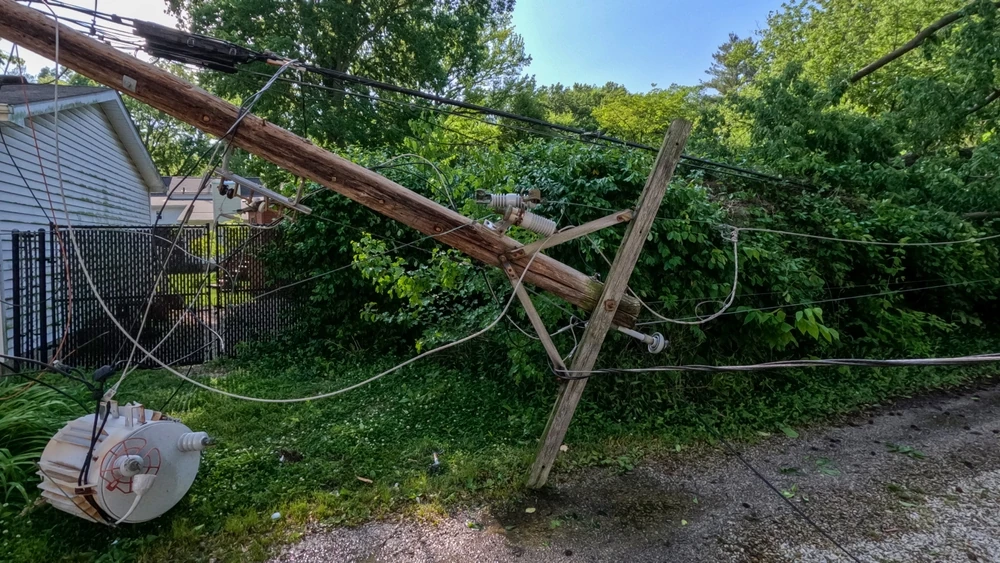
Some outages form from environmental events or physical damage and even ageing supply equipment. These require more than basic electrical troubleshooting because the infrastructure may be compromised. Specialists are trained to handle these scenarios safely. Understanding this helps homeowners prepare for realistic timelines.
Damage to Service Lines or Points of Attachment and Metering Equipment
Service equipment connects the street network to the home and fails under stress or ageing. Repairs must be handled by specialists who can isolate and restore the damaged components safely. Standard electricians cannot perform these tasks without authorisation.
- Service lines can arc or energise unintended surfaces when damaged, creating extreme hazards.
- Points of attachment can weaken or break, requiring structural support before electrical work can begin.
- Metering gear must be tested or replaced by authorised providers to protect billing accuracy and safety.
Damaged connection equipment often delays restoration due to safety checks and authorisation. This ensures power returns safely.
Storm or Vehicle and Tree Damage Affecting Power Supply Infrastructure
External factors frequently damage supply infrastructure and interrupt power beyond the home. These events involve safety hazards that must be cleared before repairs can begin. Restoration teams prioritise hazard control before reconnection.
- Storms can bring down conductors and poles, creating live hazards in public spaces.
- Vehicles that strike poles cause conductor breaks and structural failure requiring staged recovery.
- Fallen trees can damage private poles and overhead lines, requiring arborists and lineworkers before electrical tasks.
Environmental and physical damage create layered restoration tasks, so quick fixes are not always possible. Safety control must always come first.
When Private Poles or Underground Mains Are the Issue
Some properties use private poles or underground supply cables that degrade over time. These assets belong to the homeowner, so maintenance and replacement fall under private responsibility. Specialist intervention ensures the system is safe before reconnection.
- Timber poles can rot, creating fall hazards and electrical hazards that require replacement before power returns.
- Underground cables require excavation and testing to locate faults because they cannot be inspected visually.
- Water ingress in pits or conduits can short out supply cables, requiring sealing and remediation.
Private assets add inspection and repair steps that extend restoration times. Specialist help ensures long-term safety.
Safety and Legal Limits Around Restoring Electrical Power
Electricity is regulated to protect life and infrastructure, so restoration follows strict rules. Many restrictions exist not to delay work but to prevent electrocution or fires and accidental energisation. Homeowners benefit from understanding why these limits exist. This knowledge sets realistic expectations during outages.
Why Supply-Side Electrical Work Carries Higher Risk
Supply assets remain energised even when household circuits are off, so they require specialist handling. Exposure to these systems can cause severe or fatal injuries. Safety controls prevent unqualified work.
- High-voltage exposure can cause catastrophic injury without direct contact due to arc flash or induction.
- Backfeed energy can re-energise damaged lines unexpectedly and place workers at risk.
- Supply hardware carries higher fault currents that require strict isolation procedures.
Supply-side work is restricted because the dangers are extreme. Safety outweighs speed during restoration.
What Regulations Prevent Standard Electricians from Reconnecting Power?
Standard electricians operate within the private installation but cannot energise network equipment or metering assemblies. Reconnection requires certifications and the occasional third-party involvement.
- Reconnection must verify safe operation so only authorised workers can complete it.
- Inspection documentation matches legal requirements to protect homeowners and insurers.
- Controlled equipment may not legally belong to the homeowner, so unauthorised handling is prohibited.
Regulatory limits protect everyone involved even if restoration takes longer. Compliance ensures safe and lawful outcomes.
Why Insurance and Liability Shape Restoration Processes
Fault location influences financial and legal responsibility during outages. Insurance providers require proof of compliance before accepting claims. Liability rules protect the property owner and the repairer.
- Liability for unsafe work can cause legal or financial consequences, so specialist procedures reduce risk.
- Insurance may deny claims if unlicensed individuals perform supply-side work.
- Documentation verifies that repairs meet standards and remain insurable.
Insurance and liability add procedures to restoration, but they protect homeowners from future problems. Correct restoration prevents costly disputes.
How Homeowners Can Recognise When Specialist Power Restoration Is Required
Most homeowners only learn about specialist restoration after a standard electrician finds no internal faults. Recognising certain signs early helps direct the job to the right personnel faster. This reduces downtime and confusion. Knowing what to look for makes outages easier to manage.
Clear Warning Signs the Issue Is Outside the Home
Some outage symptoms point to external supply faults instead of internal wiring. Noticing these signs helps homeowners avoid unnecessary internal inspections.
- Neighbouring properties without power indicate upstream supply issues rather than internal faults.
- Visible damage on supply line poles or metering equipment suggests external repair is required.
- Unchanged breakers during an outage indicate no internal fault and no power reaching the switchboard.
Recognising external fault symptoms leads to quicker escalation. This improves restoration outcomes for everyone.
What to Expect When the Right Electrical Work Is Carried Out
When specialists take over, the process becomes sequenced and safety-focused instead of immediate. Homeowners may observe coordination testing and structured repairs. This approach ensures safe energisation.
- Specialists assess supply equipment before authorising reconnection to protect people and infrastructure.
- Network or metering providers may attend to replace or certify equipment before power returns.
- Final checks confirm that the home is safe to energise before circuits receive power again.
Proper restoration is controlled rather than rushed. The outcome is safer and more reliable power delivery.
Why Choosing the Right Help Prevents Repeat Outages
Selecting the right specialists ensures faults are repaired rather than masked. This improves reliability and reduces future headaches.
- Specialists treat root causes instead of symptoms, which reduces repeated power loss.
- Restoration may include upgrades that bring older equipment up to current standards.
- Compliance provides proof of safe workmanship for insurers and regulators.
Proper restoration prevents recurring outages and safety risks. This makes the investment worthwhile.
Power restoration involves more than basic electrical repairs because power delivery sits across shared boundaries between private wiring and supply infrastructure. Standard electricians cannot legally repair or reconnect the supply when faults occur upstream, so specialists become essential for safe restoration. These boundaries exist for good reason and protect homeowners from risks that are not always visible during an outage.
Homeowners are encouraged to value safe, compliant restoration over quick fixes because the right approach prevents future outages and protects household safety. With the correct help, power restoration becomes controlled and fully compliant rather than rushed or unsafe. Understanding the process empowers homeowners and leads to better outcomes every time.