
August 16, 2026
Smoke Alarm Placement and Interconnection Requirements in NSW
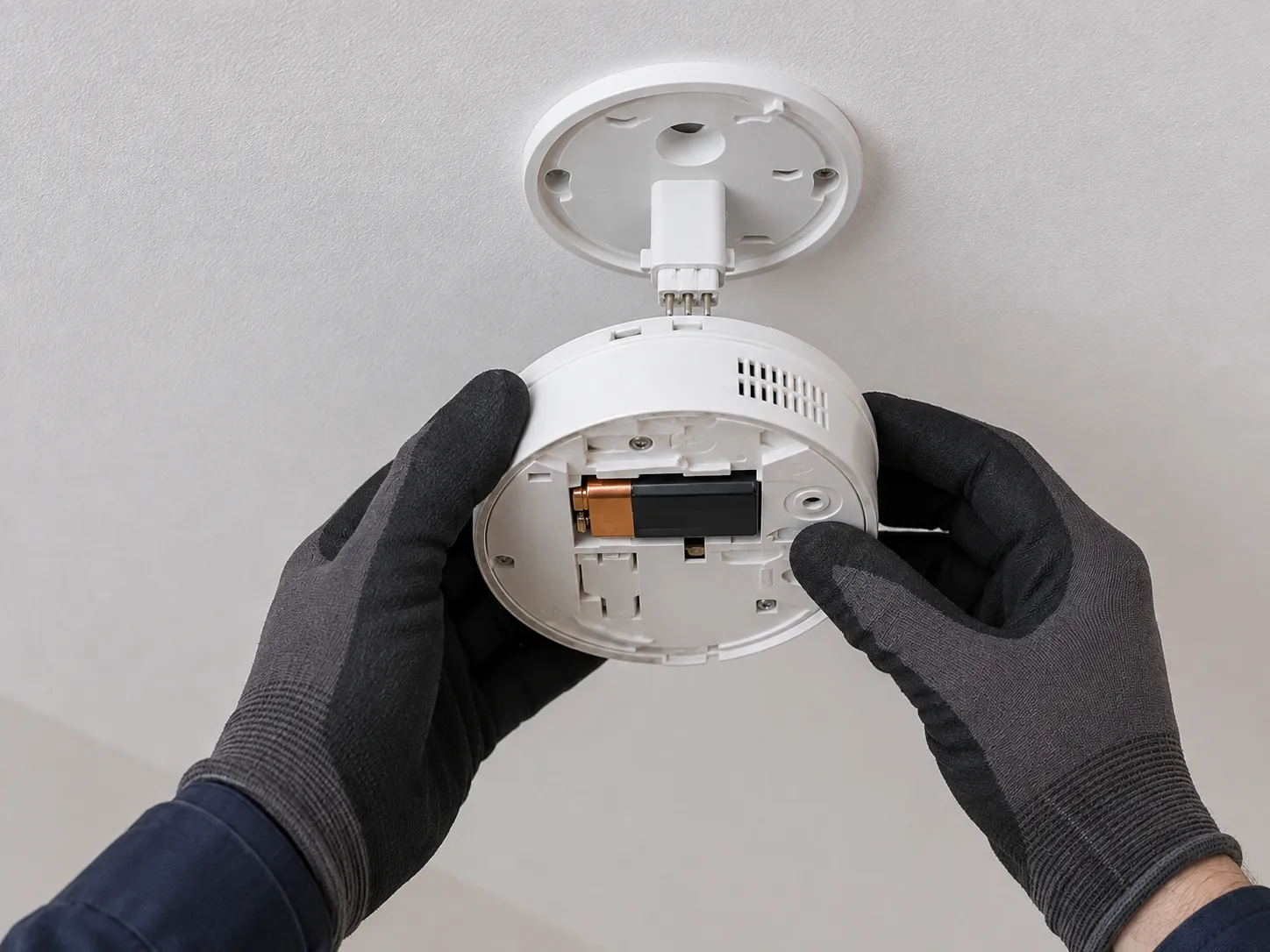
Smoke alarms are essential for protecting lives and property, but effective fire safety depends on more than simply installing an alarm. In NSW, strict requirements govern where smoke alarms must be installed, how they should be positioned and when they must be interconnected to provide the earliest possible warning of a fire. Meeting these requirements helps homeowners, landlords and property managers improve safety while complying with current legislation.
As a trusted electrician in Wollongong, Allround Electrical installs, replaces and upgrades smoke alarm systems that comply with NSW requirements. From existing homes to new builds and major renovations, professionally installed photoelectric and interconnected smoke alarms provide dependable fire detection when it matters most.
From correct placement and positioning to interconnection, power sources, testing and ongoing maintenance, electricians explain the key NSW smoke alarm requirements. It also highlights common installation mistakes and outlines what to expect during a professional installation, helping property owners create a safer, fully compliant smoke alarm system.
Where Smoke Alarms Must Be Installed in NSW Homes
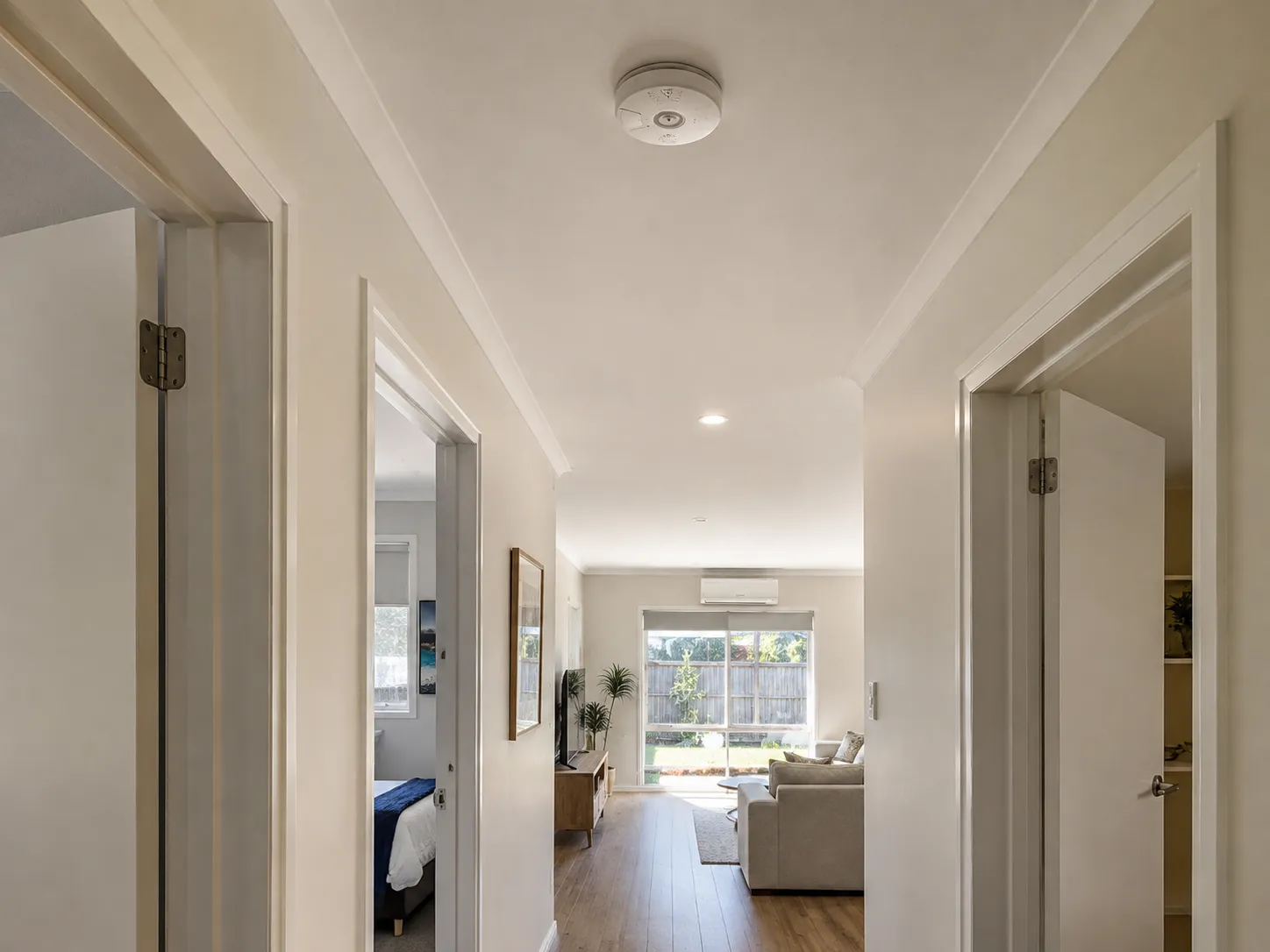
NSW smoke alarm requirements specify where smoke alarms must be installed to provide effective warning for occupants. Rather than placing alarms wherever convenient, they must be positioned along escape routes, outside sleeping areas and on every level of the home. Although the exact locations depend on the layout of the property, the goal is always the same: detect smoke quickly and allow enough time for everyone to evacuate safely.
The following locations form the basis of a compliant smoke alarm installation in most homes.
Outside Bedrooms and Sleeping Areas
Smoke alarms must be installed between bedrooms and the rest of the home. Where bedrooms open onto a common hallway, an alarm should be located in that hallway so smoke is detected before it reaches those who are asleep.
If bedrooms are not connected by a hallway, such as in open-plan homes or studio apartments, the alarm should be positioned between the sleeping area and the main living space while remaining far enough from kitchens and bathrooms to minimise nuisance alarms.
On Every Level of the Home
Every storey of a dwelling must have at least one working smoke alarm, including levels that form part of the escape route from bedrooms. In a two-storey home, this means an alarm outside the upstairs bedrooms and another on the lower level near the stairs or main circulation area.
Homes with habitable attics, basements or split-level layouts also require smoke alarms on those levels where they form part of the occupied living space or escape path.
In Homes with Multiple Sleeping Zones
Larger homes with bedrooms located in separate wings or at opposite ends of the property often require additional smoke alarms to ensure every sleeping area is adequately protected.
For example, if the main bedroom is separated from children's bedrooms, each sleeping zone should have an alarm positioned between the bedrooms and the remainder of the house. This improves smoke detection regardless of where a fire starts.
Along Escape Paths
Smoke alarms should also protect the routes people are most likely to use when evacuating. Hallways, landings and stairways are important locations because smoke naturally travels through these areas as a fire develops.
Positioning alarms along escape paths provides earlier notification of a fire and helps ensure the alarm can be heard throughout the home when alarms are interconnected.
Smoke Alarm Requirements for New Homes, Renovations and Existing Properties
Smoke alarm requirements vary depending on whether the property is an existing home, a newly built dwelling or undergoing renovations. While every home must have compliant smoke alarms installed, new homes and certain building projects must also meet additional requirements under the National Construction Code (NCC). Knowing which rules apply helps homeowners, landlords and builders maintain compliance while providing an appropriate level of fire protection.
Existing Homes
Existing homes must have working smoke alarms installed in the required locations, including on every level of the dwelling and outside sleeping areas. While many older homes can continue using compliant battery-powered smoke alarms, upgrading to photoelectric and interconnected alarms is strongly recommended for larger or multi-storey homes where improved coverage can provide earlier notification of a fire.
Smoke alarms should also form part of broader electrical checks for older homes, particularly where the wiring, switchboard or other electrical systems have not been inspected recently.
New Homes and Major Renovations
New homes, substantial renovations and qualifying extensions must comply with the current NCC requirements. This means smoke alarms must be:
- Hardwired to the mains power supply
- Fitted with battery backup
- Interconnected so all required alarms activate simultaneously
- Installed in all required locations throughout the home
These requirements apply when constructing a new home, adding another storey, creating additional bedrooms or carrying out alterations that affect the home's layout or escape routes.
Replacing or Upgrading Existing Smoke Alarms
Even if an older smoke alarm system still meets the minimum legal requirements, upgrading ageing or outdated alarms can significantly improve safety. Replacing smoke alarms that are more than 10 years old, upgrading to photoelectric models and adding interconnection where practical all contribute to a more reliable fire detection system.
Any work involving hardwired smoke alarms should be carried out by a licensed electrician to ensure the installation complies with current NSW electrical and building requirements.
How to Position Smoke Alarms Correctly
Correct positioning is just as important as installing smoke alarms in the right locations. Even a compliant smoke alarm may not detect smoke as quickly if it is mounted too close to walls, corners or airflow sources that interfere with its operation. Following NSW requirements and Australian Standard AS 3786 helps maximise smoke detection while reducing nuisance alarms.
Install Smoke Alarms in the Correct Ceiling or Wall Position
Ceiling mounting is the preferred option because smoke rises and spreads across the ceiling before descending. To achieve the best performance:
- Install smoke alarms on the ceiling wherever possible.
- Position alarms at least 300 mm from walls and corners.
- On sloping ceilings, install alarms between 500 mm and 1,500 mm below the highest point.
- If ceiling mounting is not possible, install alarms on a wall 300-500 mm below the ceiling.
The sensing chamber should always remain free from obstructions so smoke can reach the alarm without delay.
Keep Smoke Alarms Away from Airflow, Steam and Heat Sources
Smoke alarms should not be installed where airflow, moisture or heat can affect their performance. Avoid placing alarms:
- Near air-conditioning vents or ceiling fans.
- Close to light fittings or exposed beams.
- Inside kitchens, bathrooms or laundries where cooking fumes or steam may cause nuisance alarms.
- Directly above heaters, fireplaces or inside garages where dust and exhaust fumes are common.
Where smoke alarms are required near kitchens, they should be installed in the adjoining area rather than directly inside the kitchen to minimise false alarms while maintaining effective protection.
Consider High Ceilings and Unusual Layouts
Homes with raked ceilings, high ceilings or unusual floor plans may require additional planning to achieve effective smoke detection. In larger open-plan spaces or rooms with higher ceilings, additional smoke alarms may be needed because it can take longer for smoke to reach the sensor.
After installation, every smoke alarm should be tested to confirm it operates correctly and provides reliable coverage throughout the home.
When Smoke Alarms Must Be Interconnected
Interconnected smoke alarms are designed so that when one alarm detects smoke, every connected alarm throughout the home sounds simultaneously. This provides earlier warning for occupants in larger homes or when a fire starts far from sleeping areas. While interconnection is mandatory in some situations under NSW building requirements, it is also widely recommended as a safety upgrade for many existing homes.
When Interconnection Is Required
Interconnected smoke alarms are generally required for:
- New homes constructed under the current NCC.
- Major renovations or extensions that trigger compliance with current building requirements.
- Homes where multiple required smoke alarms are installed as part of new building work.
Smoke alarms are typically required to be hardwired, fitted with battery backup and interconnected so that activation of one alarm triggers every alarm in the home.
When Interconnection Is Recommended
Although many existing homes are not legally required to have interconnected smoke alarms, upgrading is strongly recommended, particularly where the property has:
- More than one storey.
- Multiple or separate sleeping areas.
- Long hallways or large floor plans.
- Attached garages with internal access.
- Elderly occupants, young children or heavy sleepers.
Interconnection helps ensure everyone in the home hears the alarm regardless of where a fire starts, providing valuable extra time to evacuate safely.
Hardwired and Wireless Interconnection Options
Interconnected smoke alarms can be connected using either hardwired or wireless technology, provided the system complies with the relevant Australian standards and NSW requirements. Wireless interconnection can be an effective solution for existing homes where installing new wiring is impractical, while hardwired systems are generally installed in new homes and major renovations.
Hardwired vs Battery-Powered Smoke Alarms
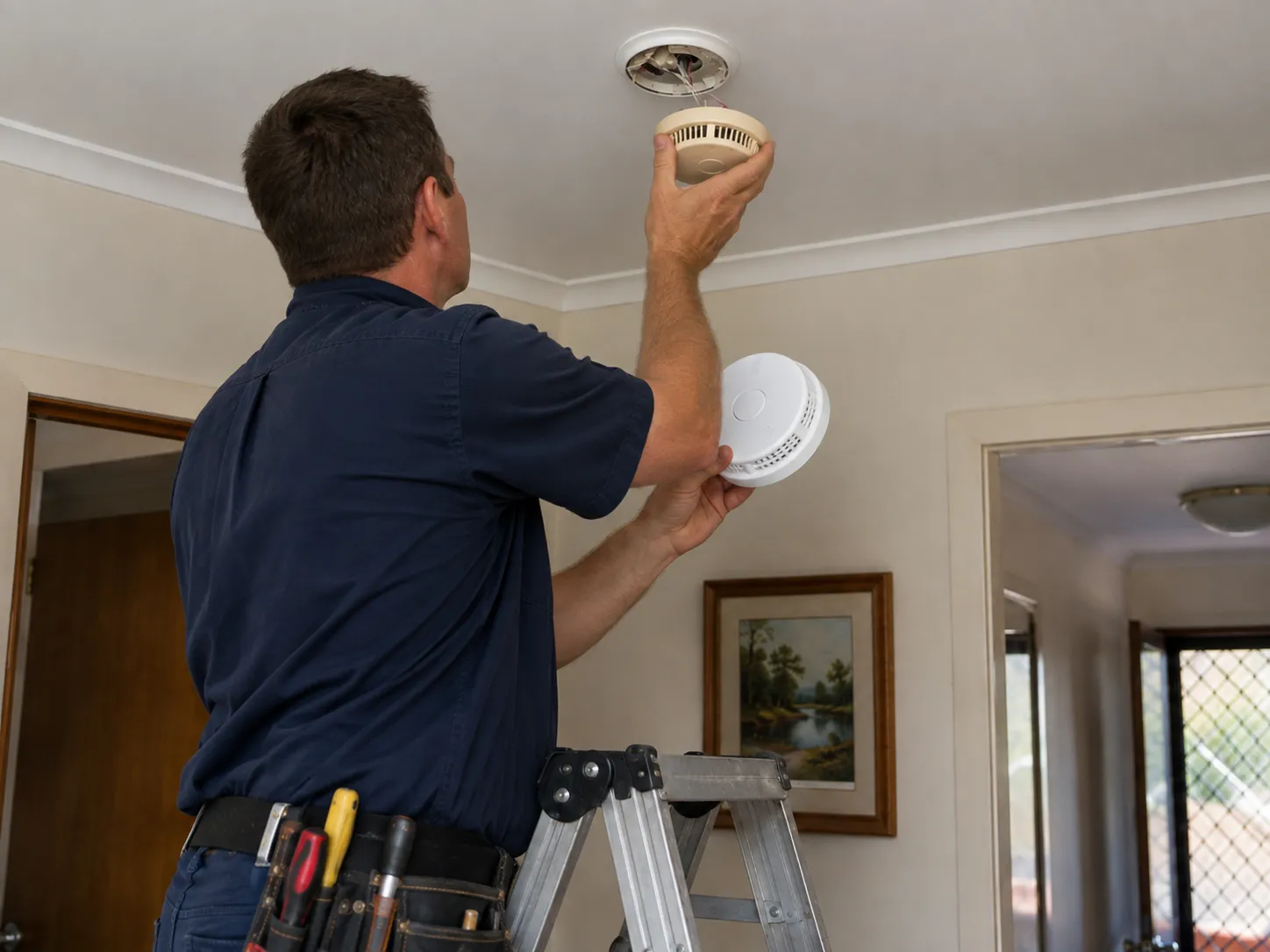
Both hardwired and battery-powered smoke alarms can provide effective fire protection when installed correctly, but they differ in how they are powered, maintained and used in homes. Choosing the right option depends on the age of the property, the type of building work being undertaken and the applicable legislative requirements.
Hardwired Smoke Alarms
Hardwired smoke alarms are connected directly to the home's 240 V mains electricity supply and include a backup battery that keeps the alarm operating during a power outage. They are commonly installed in new homes and major renovations because they provide continuous power and can be easily interconnected with other alarms throughout the property.
Here are some of its benefits:
- Continuous mains power with battery backup
- Reliable interconnection between multiple alarms
- Reduced risk of alarms being disabled due to flat or missing batteries
- Compliance with current requirements for new homes and major renovations
Battery-Powered Smoke Alarms
Battery-powered smoke alarms operate independently using either a replaceable battery or a sealed 10-year lithium battery. They are commonly installed in existing homes where hardwiring is impractical or where no mains-powered smoke alarm system already exists.
While they remain a compliant option for many older properties, they require regular testing and maintenance to ensure they continue operating correctly. Sealed 10-year lithium battery models are preferred because they require less ongoing maintenance than replaceable battery alarms.
Which Option Is Best?
For most homes, hardwired interconnected smoke alarms provide the highest level of protection and long-term reliability. However, battery-powered smoke alarms remain a practical solution for many existing homes where installing new wiring is not feasible.
Regardless of the type chosen, smoke alarms should comply with AS 3786, be installed in the correct locations and be tested regularly. Any installation or replacement involving hardwired smoke alarms should be carried out by a licensed electrician to ensure compliance with NSW electrical and building requirements.
Professional installation also helps ensure the work complies with relevant electrical safety standards.
Common Smoke Alarm Installation Mistakes to Avoid
Even when smoke alarms are installed, simple mistakes can reduce their effectiveness or prevent them from providing the earliest possible warning during a fire. Avoiding the following issues helps ensure a smoke alarm system complies with NSW requirements while providing reliable protection for occupants.
Learn about these common mistakes:
- Installing smoke alarms too close to kitchens, bathrooms or laundries, where cooking fumes and steam can cause frequent nuisance alarms.
- Placing alarms near air-conditioning vents, ceiling fans or open windows, where airflow may prevent smoke from reaching the sensor quickly.
- Mounting alarms too close to walls, corners or light fittings, creating dead air spaces that delay smoke detection.
- Installing too few smoke alarms, particularly in multi-storey homes or properties with separate sleeping areas where additional coverage may be needed.
- Using outdated or incorrect smoke alarms, such as alarms that are more than 10 years old or replacing hardwired alarms with unsuitable battery-powered models.
- Failing to test and maintain smoke alarms, including ignoring low-battery warnings, allowing dust to accumulate or neglecting routine testing and replacement.
Correct placement, regular maintenance and using the appropriate type of smoke alarm all help ensure the system performs as intended and provides occupants with the earliest possible warning in the event of a fire.
What Happens During a Professional Smoke Alarm Installation?
Professional smoke alarm installation involves more than simply fitting alarms to the ceiling. An electrician assesses the property, installs smoke alarms in compliant locations, verifies that the system operates correctly and ensures the installation meets safety and electrical requirements. This helps homeowners avoid common installation errors while improving the reliability of the smoke alarm system.
A professional smoke alarm installation comprises:
- Assessing the property's layout to determine the number and location of smoke alarms required based on bedrooms, hallways, storeys and escape paths.
- Recommending suitable smoke alarms, including whether hardwired or battery-powered models are appropriate and whether interconnection is required or recommended.
- Installing the alarms in compliant locations, ensuring the correct clearances from walls, corners, light fittings, air-conditioning vents and other obstructions that could affect performance.
- Testing every alarm after installation, including confirming that interconnected alarms activate simultaneously and that battery backup functions correctly where applicable.
- Providing maintenance advice, including how to test the alarms, when to replace batteries or the entire unit and how to keep the system operating reliably over its service life.
Professional installation gives homeowners confidence that their smoke alarm system complies with current NSW requirements while providing dependable early warning for occupants in the event of a fire.
Testing and Replacing Smoke Alarms
Regular testing and timely replacement help ensure smoke alarms continue to provide reliable early warning in the event of a fire. Eventually, batteries weaken and sensors become less effective, making routine maintenance essential for both safety and compliance.
Test Smoke Alarms Every Month
Every smoke alarm should be tested at least once a month by pressing the test button to confirm it sounds correctly. If an alarm fails to activate, sounds weak or operates inconsistently, it should be repaired or replaced as soon as possible.
Replace Batteries When Required
Smoke alarms with replaceable batteries should have new batteries installed at least once a year or immediately if the alarm emits a low-battery warning. Sealed 10-year battery models do not require battery replacement but should be replaced when they reach the end of their service life.
Keep Smoke Alarms Clean
Dust and debris can affect a smoke alarm's performance. Gently clean each alarm every six months using a soft brush or vacuum attachment and never paint over or cover the unit, as this can prevent it from detecting smoke properly.
Meeting NSW smoke alarm requirements involves more than installing an alarm on the ceiling. Correct placement, appropriate alarm selection, interconnection where required and ongoing testing all contribute to a smoke alarm system that provides reliable early warning when it matters most.
Whether upgrading older alarms, installing a compliant system in a new home or meeting smoke alarm requirements for rental properties, professional installation can help ensure the system is suitable and compliant. With a properly designed and compliant smoke alarm system, homeowners and landlords can improve fire safety, meet NSW regulations and have greater confidence that their property and occupants are protected.